AFU are expanding their network of underground medical stations and require more armoured personnel carriers for the evacuation of the wounded, – Syrskyi. PHOTOS
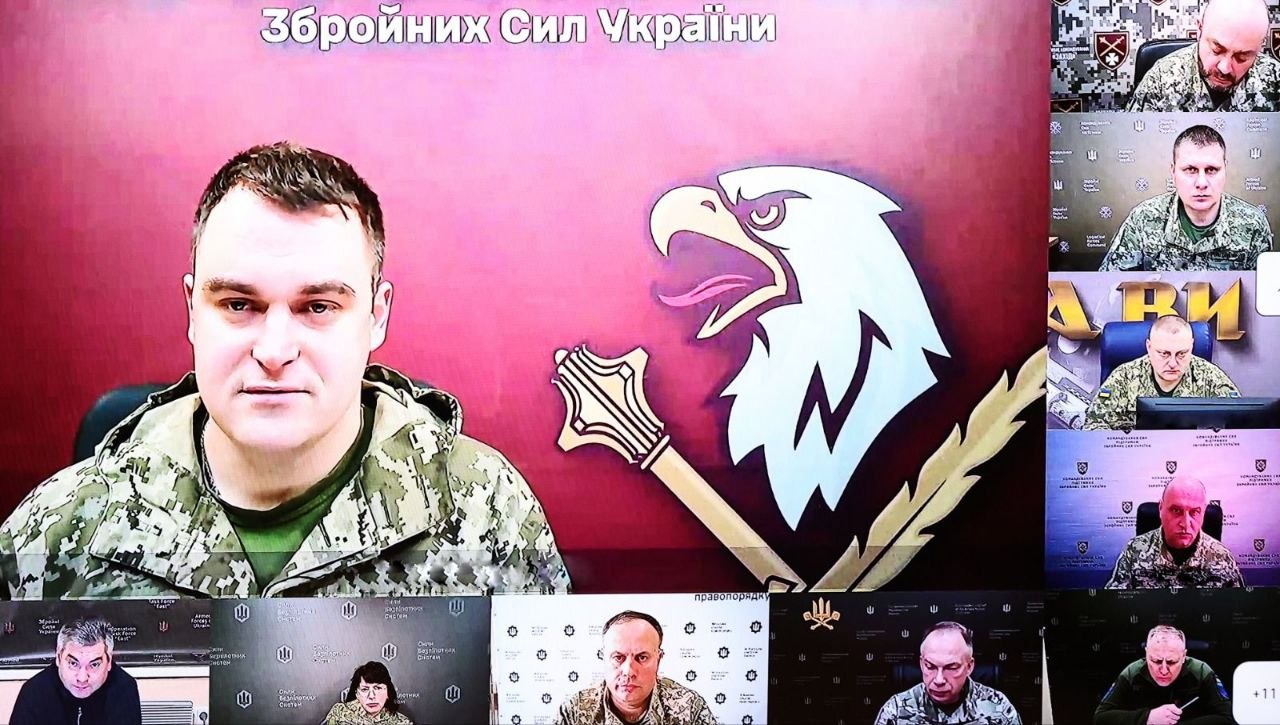
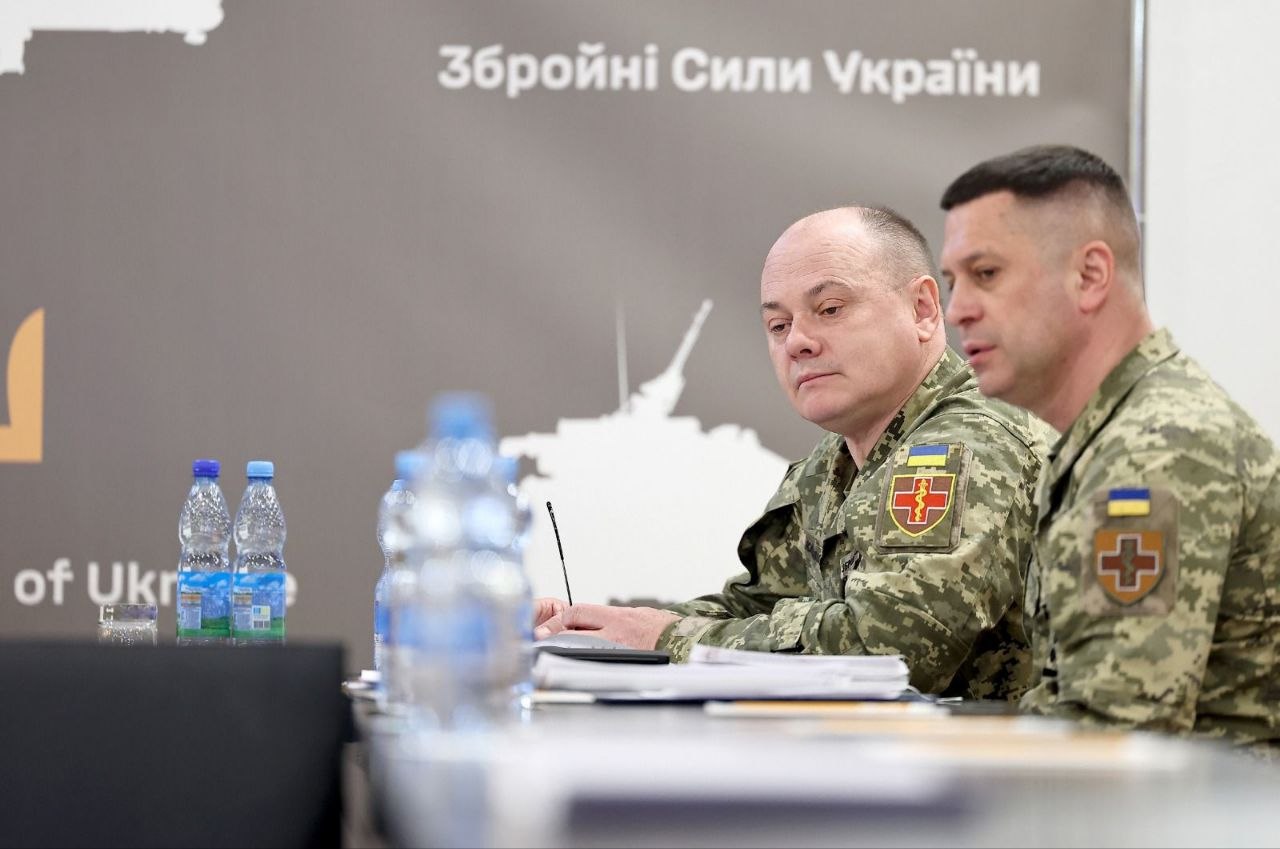
Commander-in-Chief Oleksandr Syrskyi heard reports on the performance of military medics’ duties in March during a monthly working meeting. The discussion focused on ways to resolve issues relating to the evacuation of wounded servicemen, an analysis of injury types, morbidity rates within units, and other matters.
He announced this on Facebook, reports Censor.NET.
"The issues of high-quality military medicine, proper evacuation of the wounded, and the staffing and provisioning of medical units are essential conditions for preserving the lives and health of Ukrainian soldiers," Syrskyi emphasised.
"It is no secret that in the current combat conditions, the most common type of injury is shrapnel wounds caused by FPV drones. At the same time, the activity of enemy strike drones significantly complicates the evacuation of even ‘lightly’ wounded soldiers. Finding solutions to these challenges requires flexible, sometimes unconventional approaches, additional resources, and above all – perseverance and coordinated efforts at all levels," noted the Commander-in-Chief.
Evacuation of the wounded
- In March, a total of 548 evacuation missions were carried out from combat zones using road and rail transport, as well as helicopters.
- In combat conditions, we are increasingly using ground-based robotic systems to speed up the evacuation of the wounded .
- According to a report by the Medical Forces Command, there is some positive trend in the overall statistics on tourniquet syndrome. We are managing to reduce the number of limb amputations among the wounded thanks to certain improvements in medical support and the training of military personnel.
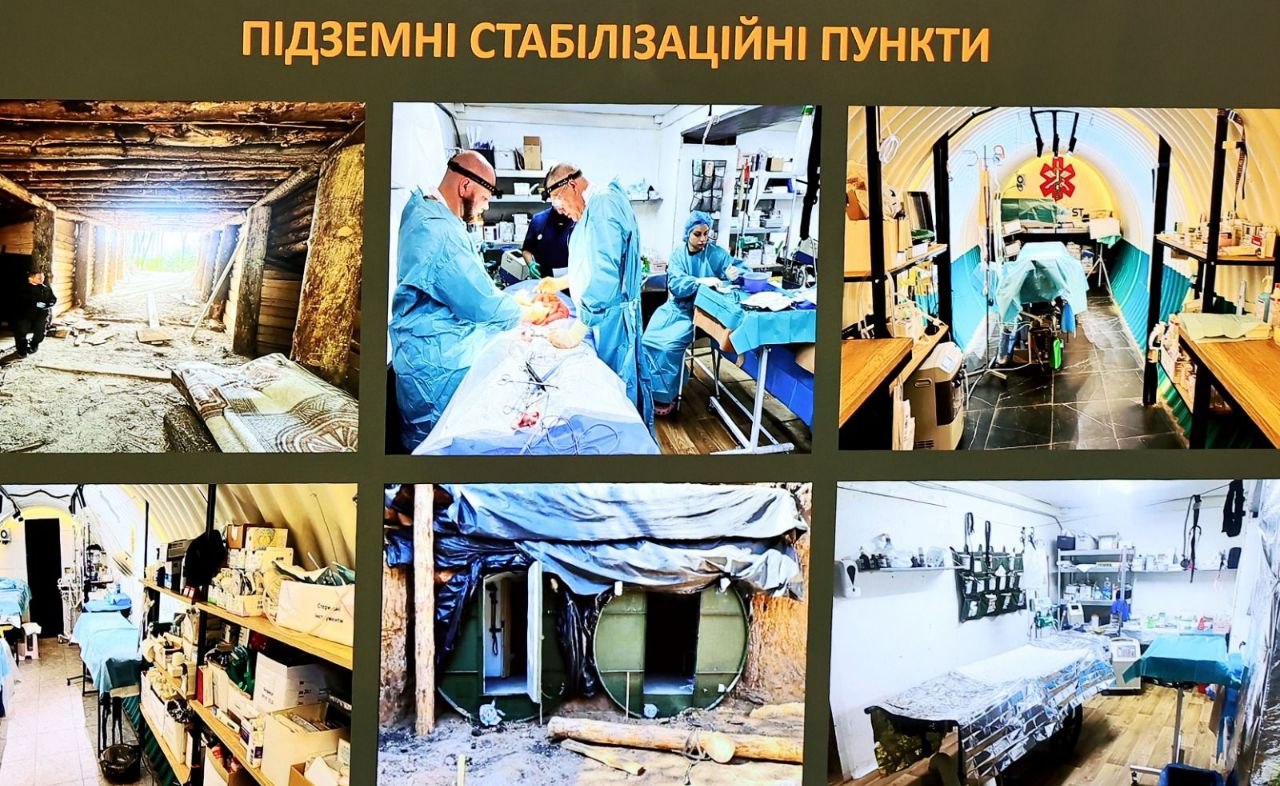
Network of underground stabilisation points
We are developing a network of underground stabilisation points at a safe distance from the front line.
Following the meeting, he set out the relevant tasks.
- We need more NRCs with armoured capsules,
- more all-wheel-drive and armoured vehicles for evacuation teams.
- We must better protect both our wounded and the medics working in combat zones, saving the lives of our soldiers.
Syrsky thanked all medical staff for their hard and vital work.