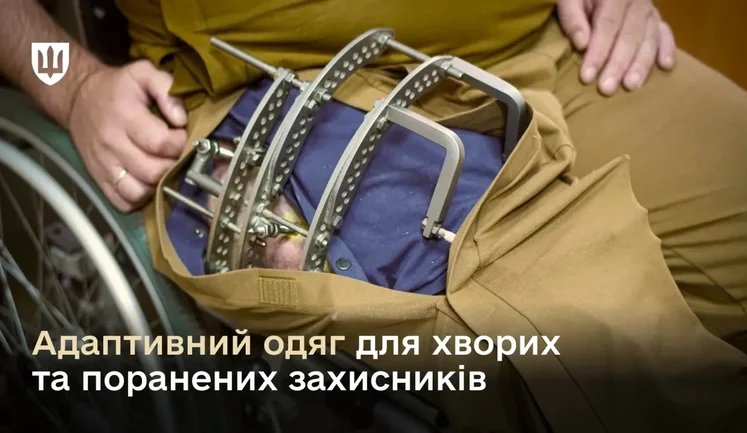
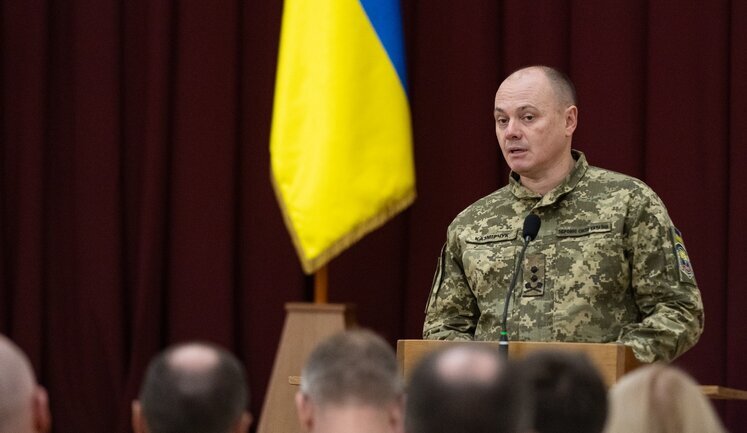
The Medical Forces Command of Ukraine is at the forefront of ensuring the well-being of soldiers, yet it faces significant challenges. Recently, 50,000 adaptive clothing items have been distributed to Ukrainian defenders, highlighting their commitment to supporting forces. However, the staffing level at medical units is only at 50%, hindering the ability to fully execute tasks. Combat medics have been reinforced at the front lines, although they remain in their specialized roles. Notably, over 70% of wounded soldiers resume service, which attests to the effective medical care provided. Comprehensive strategies are underway to recruit essential specialists and modernize practices. Leadership changes and increased staffing for military medical panels form part of these undertakings, confirming ongoing efforts to enhance operational capacity.
What recent initiatives have been undertaken by the Medical Forces Command of Ukraine?
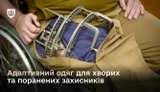
The Medical Forces Command has distributed 50,000 adaptive clothing items to Ukrainian defenders, developed through cooperation with the Ministry of Defense. This initiative is aimed at enhancing comfort and functionality for personnel, particularly in frontline environments. Additionally, efforts are being made to increase the number of full-time employees in military medical panels to better address the needs of personnel and improve medical services.
Why is there a shortage of specialists in Ukraine's Medical Forces?
The Medical Forces of Ukraine are currently experiencing a critical shortage of specialists, with units staffed at only about 50%. The shortage is attributed to high demand for medical personnel, ongoing military conflicts, and the need for specialized training, which impacts the ability to fully support medical operations and provide timely care to injured soldiers.
How is the Medical Forces Command addressing staffing challenges?
To tackle staffing challenges, the Medical Forces Command, in conjunction with military leadership, is actively recruiting and training personnel. Strategies include initiatives to increase the number of full-time employees in military medical panels, addressing critical gaps in staffing, and ensuring continuous medical support and readiness in military operations. These measures aim to enhance the operational effectiveness of medical services across the Armed Forces.
What impact does the shortage of personnel have on Ukraine's military medical operations?
The shortage of medical personnel in Ukraine's Armed Forces significantly affects the ability to deliver comprehensive medical services. With only 50% of staffing levels filled, there is an increased strain on existing staff, which can lead to delays in medical response times, reduced quality of care, and challenges in maintaining high standards in treating wounded soldiers swiftly, hence the ongoing efforts to improve recruiting solutions.
What role do combat medics play in Ukraine's Armed Forces?
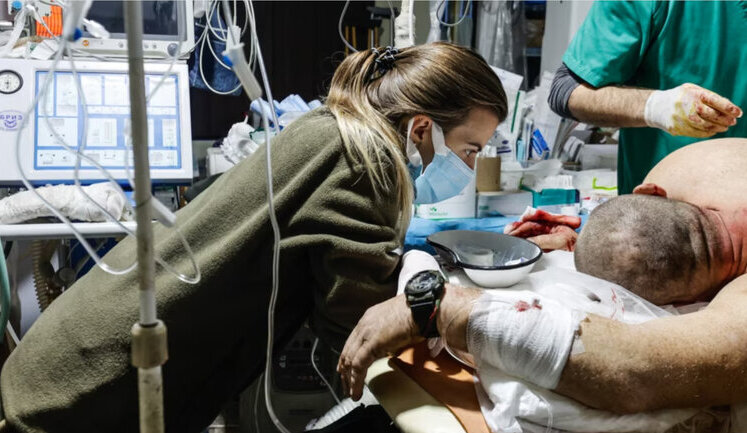
Combat medics in Ukraine's Armed Forces remain a crucial component of the medical support system, offering immediate care on the front lines while stationed in their specialty roles. Combat medics are essential in providing first response medical care, which is pivotal for improving the survival and recovery rates of injured troops. Recent directives ensure that combat medics continue operating in their areas of expertise, addressing the urgent medical needs of soldiers directly within conflict zones without transitioning them to non-medical roles.
How successful is the treatment and recovery process for wounded soldiers in Ukraine?
Over 70% of wounded soldiers in the Ukrainian Armed Forces successfully return to active duty after receiving medical treatment. This high recovery rate underscores the effectiveness of the Medical Forces Command's protocols and practices, which encompass emergency care, rehabilitation, and continued support tailored to ensure the rapid recovery of personnel. These successful outcomes are a testament to the rigorous medical training and expertise of the military medical staff.
What are the recent leadership changes in Ukraine's Medical Forces Command?
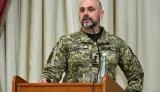
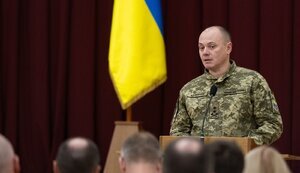
The Medical Forces Command has seen recent leadership shifts, including the introduction of Kazmirchuk as the new Commander, focusing on modernizing practices and eliminating outdated Soviet-era approaches. Under his leadership, there is a specific push toward innovative medical strategies and enhancing operational readiness, ensuring that the military medical force remains agile and effective in responding to current and future challenges.