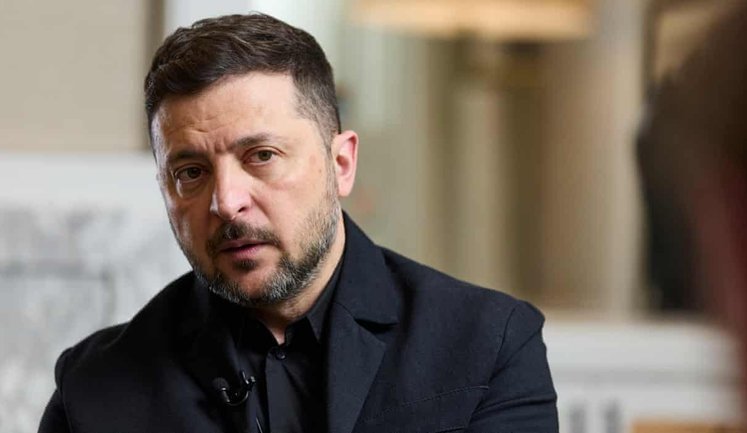
Ukraine's approach to the Russian language and the activities of the Ukrainian Orthodox Church-Moscow Patriarchate (UOC-MP) will be shaped by European Union legislation. President Zelenskyy emphasized that future EU membership involves adhering to European standards. This development impacts language policies and is part of broader negotiations, as Russia demands consideration of the Russian language in peace deal conditions. The integration into the EU framework will guide Ukraine in aligning national policies with international law, affecting not only language status but also religious institutions affiliated with Russia.
How will the status of the Russian language be determined in Ukraine?
The status of the Russian language in Ukraine will be determined by European Union legislation in the context of Ukraine's future EU membership. This aligns Ukraine’s language policies with European standards, which is a significant aspect of the peace deal negotiations involving Russian demands.
What role does the EU play in Ukraine's language policy?
The European Union plays a pivotal role in shaping Ukraine's language policy by requiring adherence to EU legislation. As part of Ukraine's integration process into the EU, national policies, including language status decisions, must align with European standards.
Why is the Russian language status in Ukraine significant in peace negotiations?
The status of the Russian language is significant in peace negotiations as it is part of Russia’s conditions in the peace deal. Determining this through EU legislation addresses diplomatic concerns while ensuring compliance with international legal frameworks, affecting bilateral relations.
What is Zelenskyy's stance on the Russian language issue in Ukraine?
President Zelenskyy supports determining the status of the Russian language through EU legislation, as part of Ukraine's accession process. This approach aims to balance Ukrainian national interests with international legal obligations and peace negotiations with Russia.
How does EU membership impact Ukraine's religious institutions?
EU membership impacts Ukraine's religious institutions, like the UOC-MP, by enforcing adherence to EU legal standards. This requires Ukraine to manage religious activities under European norms, influencing churches linked to foreign states like Russia.