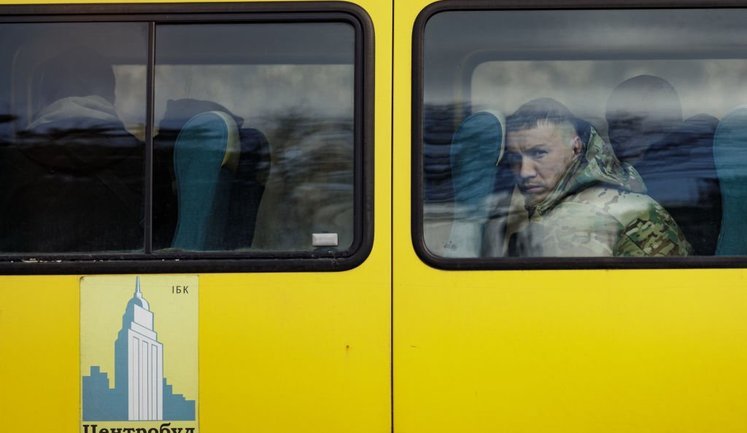
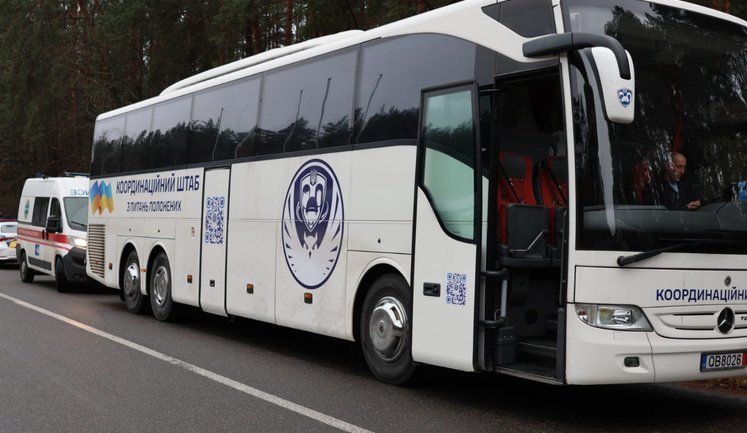
The return of Ukrainians is a significant trend in 2026, drawing attention from key international and domestic stakeholders. Ukraine and Germany are in discussions regarding mechanisms to repatriate Ukrainians of draft age, highlighting a joint commitment to tackle illegal departures. Meanwhile, the EU is evaluating the exclusion of these individuals from its temporary protection scheme, impacting those who fled Ukraine. Nearly 22 to 25 million people currently reside under Ukrainian government control, reflecting demographic shifts. Political voices, like MP Ariev of the European Solidarity faction, suggest President Zelenskyy's focus on such returns is politically driven rather than pragmatic. Recent statistics show that 8,669 Ukrainians have returned from captivity, reaffirming official efforts. Simultaneously, freedom of movement remains a right for those not eligible for mobilisation, reinforcing the narrative of sovereignty in emigration and repatriation matters.
What mechanisms are being discussed between Ukraine and Germany for the return of Ukrainians?
Ukraine and Germany are collaboratively working on mechanisms to facilitate the return of Ukrainians of draft age who exited the country illegally. This involves discussions at diplomatic levels to create viable pathways and adhere to international standards for repatriation, ensuring compliance and support for affected individuals.
How is the EU involved in the return of Ukrainians of conscription age?
The European Union is contemplating the exclusion of Ukrainian men of conscription age from the extended temporary protection scheme. This consideration by the EU reflects complexities in migration policies and protection obligations amidst ongoing geopolitical and humanitarian challenges.
What is the population trend under Ukrainian government control?
The population under Ukrainian government control is currently estimated to be between 22 to 25 million people. This demographic statistic illustrates changes within the region, influenced by conflict, migration, and governmental control. It provides insight into the human impact of regional dynamics.
What has been President Zelenskyy’s stance on the return of Ukrainians?
President Zelenskyy has actively reported on the return of Ukrainians from captivity and stresses that Ukrainian citizens have the right to freedom of movement, particularly those not subject to mobilisation. His policy underscores national sovereignty and the legal standing of citizens during times of conflict.
What recent developments occurred regarding the return of Ukrainian civilians from Belarus?
Ukraine successfully repatriated 31 civilians who were held in Belarus, showcasing the active efforts of the Coordination Headquarters. This operation highlights the ongoing commitment to bring back citizens in complex geopolitical situations, reaffirming state responsibility and international negotiation capabilities.
How are Ukrainian political figures responding to the return of draft-age men?
Political figures such as MP Volodymyr Ariev have criticized President Zelenskyy's approach, labeling it political rather than substantive. These critiques highlight internal political tensions and differing priorities concerning the return of Ukrainian men from abroad amid domestic and international pressures.