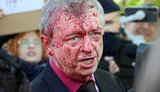
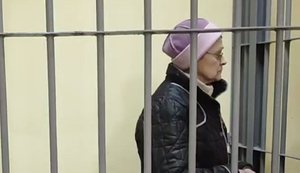
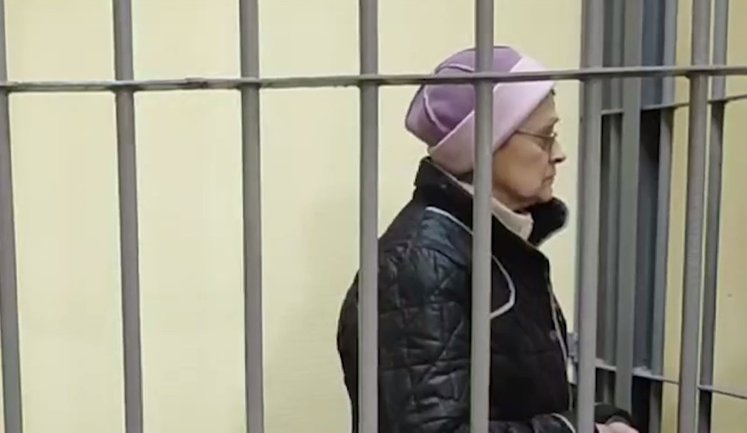
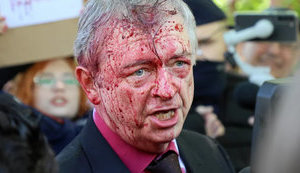
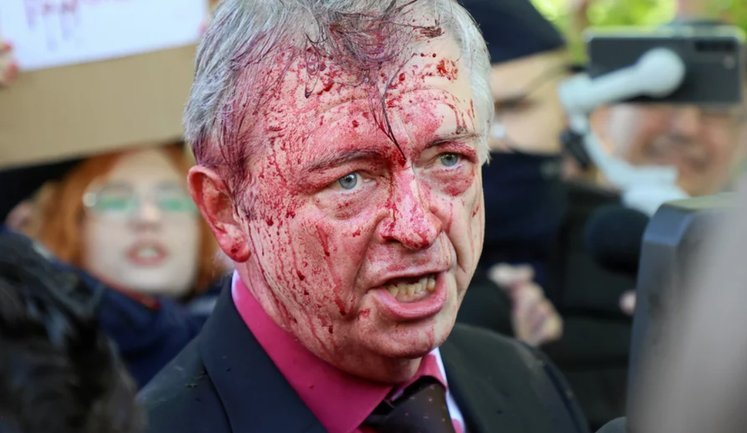
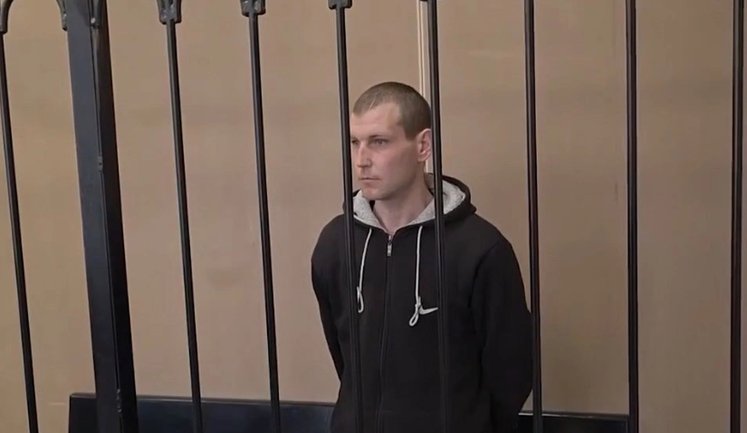
The recent convictions of Ukrainians in Russia underscore increasing political tensions. Media expert Iryna Zemliana was sentenced in absentia to 13 years for allegedly attacking a Russian ambassador with juice, reflecting the severe penalties faced by individuals perceived as antagonistic to Russian interests. Additionally, a 69-year-old pensioner from Tokmak, Svitlana Loy, received a 15-year sentence for so-called "high treason" after donating to the Ukrainian Armed Forces. Her case draws attention to the plight of individuals with dual citizenship caught in the geopolitical conflict. These sentences highlight the strained relations between Ukraine and Russia and the harsh judicial measures employed by the Russian Federation.
Why was Iryna Zemliana sentenced in Russia?
Iryna Zemliana, a media expert, was sentenced in absentia to 13 years by a Russian court for an alleged attack on the Russian ambassador to Poland, which reportedly involved throwing juice. This highlights the severe measures Russia employs against individuals perceived as opposing its interests.
What actions led to Svitlana Loy's conviction?
Svitlana Loy, a 69-year-old pensioner, was sentenced to 15 years in a Russian court for high treason after donating her Ukrainian pension to the Armed Forces of Ukraine. This case reflects the volatile tensions and severe penalties for perceived support of Ukrainian military efforts.
How do these convictions impact Ukraine-Russia relations?
The convictions of Ukrainians in Russia, including harsh sentences for Zemliana and Loy, exacerbate tensions between Ukraine and Russia. They reveal the deep-seated political and legal conflicts and contribute to ongoing diplomatic strain between the two nations.
What are the legal implications for dual citizens in conflict zones?
Dual citizens like Svitlana Loy, who hold both Ukrainian and Russian passports, face complex legal challenges. Loy's conviction for supporting Ukraine's military highlights the risk of severe legal repercussions, as they navigate the fraught political landscapes of both countries amidst ongoing conflicts.
Are these isolated cases, or part of a broader trend?
The sentencing of Ukrainians such as Zemliana and Loy in Russia is part of a broader trend of legal actions taken against individuals with ties to Ukraine. These cases reflect the ongoing geopolitical tensions and the Russian government's stringent measures against perceived threats to its sovereignty.
What could be the long-term effects on citizens involved in these cases?
The long-term effects on individuals like Zemliana and Loy involve prolonged imprisonment, potential infringement on personal freedoms, and lasting impact on their families and communities. These cases highlight the human cost of political hostility and the enduring effects of geopolitical conflict.