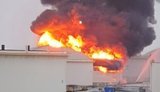
Recent Iranian military actions have heightened tensions in the Gulf, as Iran carried out drone strikes on US military facilities located in Bubiyan Island, Kuwait. The attacks reportedly targeted critical satellite equipment and ammunition depots. In addition, video evidence has surfaced of Iran striking the Kuwait Petroleum Corporation, causing significant concerns about regional stability. These aggressive moves underscore Iran's strategic intentions and provoke widespread international reactions. This escalation poses potential threats to global oil supply and regional peace, compelling global powers to address these challenges diplomatically and strategically.
What facilities were targeted in the Iranian strikes on Kuwait?
The Iranian strikes targeted US military facilities located on Bubiyan Island, Kuwait, including vital satellite equipment and ammunition depots. Additionally, the strikes hit the Kuwait Petroleum Corporation building, which houses the Ministry of Oil, indicating a strategic emphasis on military and economic infrastructures.
How did the Iranian strikes impact the region?
The strikes have significantly increased tensions in the Gulf region by threatening critical military and economic infrastructure. These actions caused international alarm due to potential repercussions on security and oil supply, prompting discussions on diplomatic resolutions.
What type of military equipment was used in the Iranian strikes?
Iran utilized drones in these recent military actions, highlighting the strategic deployment of unmanned aerial technology in targeting US military satellite equipment, ammunition depots, and oil facilities. The use of drones indicates advanced military capabilities and strategic precision.
What has been the international response to the Iranian strikes on Kuwait?
The international community has expressed deep concern over Iran's aggressive actions, calling for restraint and urging diplomatic discussions to prevent further escalation. The strikes have underscored the need for robust security measures and diplomatic interventions to maintain regional stability.
What implications do these strikes have for global oil supply?
Given the attack on key oil infrastructure, the strikes present a potential threat to the global oil supply. Disruptions in production and transportation could lead to increased oil prices and economic instability, hence necessitating rapid political and security measures to safeguard the global energy market.
How might the recent strikes affect US military operations in the region?
The attacks on US military facilities could lead to a reassessment of operational security and strategy in the region, potentially increasing military presence and fortifying defenses. These developments are likely to shape future military engagements and alliances in the Gulf.
What strategic objectives might Iran have in targeting Kuwait?
Iran's strategic objectives may include demonstrating military power, disrupting US and allied operations, and asserting influence in the Gulf. Targeting Kuwait's economic and military structures could be aimed at destabilizing regional alliances and exerting pressure on neighboring states.
Could these strikes lead to broader conflict in the Gulf?
While the current strikes have not led to direct conflict, they raise the possibility of further military engagements if de-escalation measures are not taken. Regional powers and international allies are likely to engage in diplomatic discussions to avoid broader conflict and ensure stability.