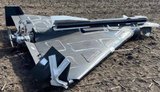
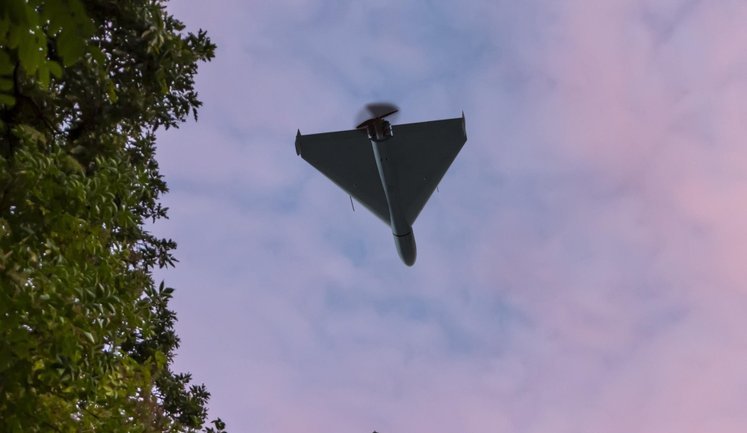
Russia has significantly upgraded its UAV capabilities, marking a strategic shift in the ongoing conflict with Ukraine. The introduction of jet-powered UAVs, equipped with explosive payloads designed to destroy critical infrastructure like power pylons and bridges, represents a new level of threat. On September 30, 2026, these advanced drones were used for the first time to conduct high-impact operations. Additionally, Russian Lancet kamikaze drones are now operating in radio silence mode, enhancing their stealth and effectiveness. The modernization of these UAVs, including AI implementation, signifies a broader Russian strategy to use drones for prolonged warfare. The captured samples presented by the Armed Forces of Ukraine highlight these advancements and the potential for increased drone warfare in the region.
What are the new capabilities of Russian UAVs?
Russian UAVs have been upgraded with jet engines, allowing for faster deployment and more impactful operations. These drones are equipped with new warheads capable of destroying infrastructure like power pylons and bridges. Moreover, some models operate in radio silence mode, making them more difficult to detect and counter.
How does the radio silence mode affect UAV operations?
The radio silence mode in UAVs reduces the possibility of detection by enemy forces, allowing drones to operate stealthily. This tactic increases the effectiveness of kamikaze drones, as they can approach targets unnoticed, thus enhancing their operational success rate.
What strategic purposes do Russian UAVs serve in the Ukraine conflict?
In the Ukraine conflict, Russian UAVs are deployed to target and destroy critical infrastructure, disrupting supply and communication lines. The mass deployment of low-cost drones also aims to maintain persistent pressure, executing strategic air strikes to exhaust enemy resources over time.
What role does AI play in the modernisation of Russian UAVs?
AI technology in Russian UAVs enhances their operational autonomy and precision. AI enables better target recognition and navigation, which optimises their effectiveness in combat scenarios. This advancement highlights a shift towards more technologically advanced warfare tactics.
Why are UAVs significant in modern warfare strategies?
UAVs are critical in modern warfare because they provide strategic advantages such as real-time surveillance, targeted strikes, and minimal human risk. Their ability to perform a wide range of missions, from reconnaissance to offensive operations, makes them invaluable assets in both conventional and asymmetric warfare.