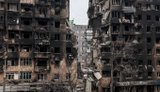
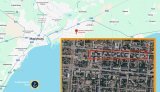
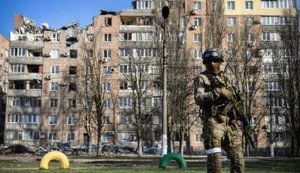
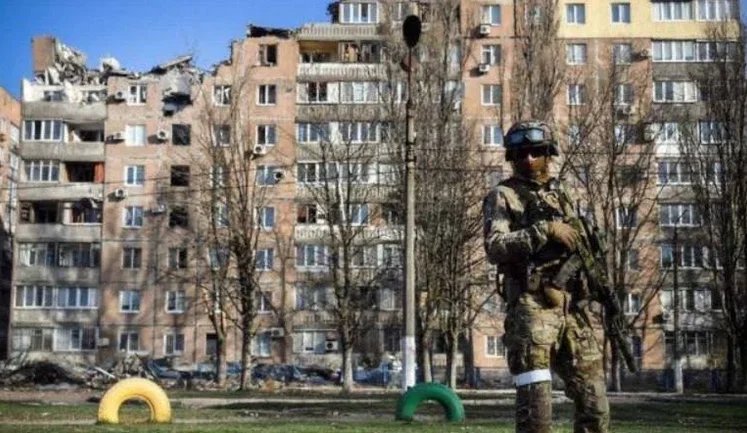
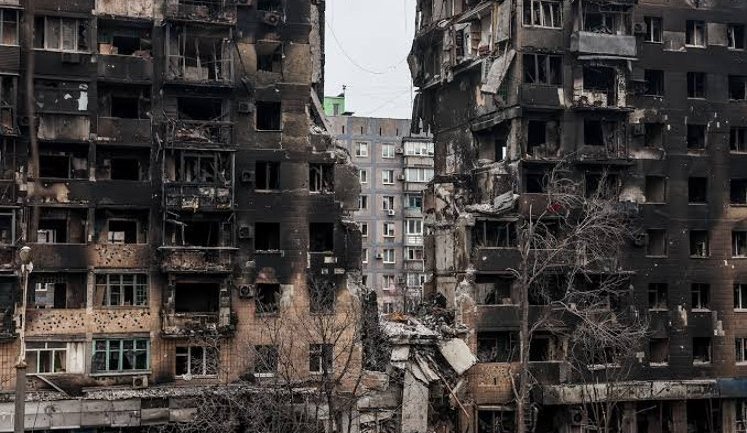
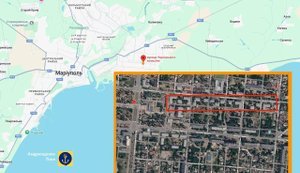
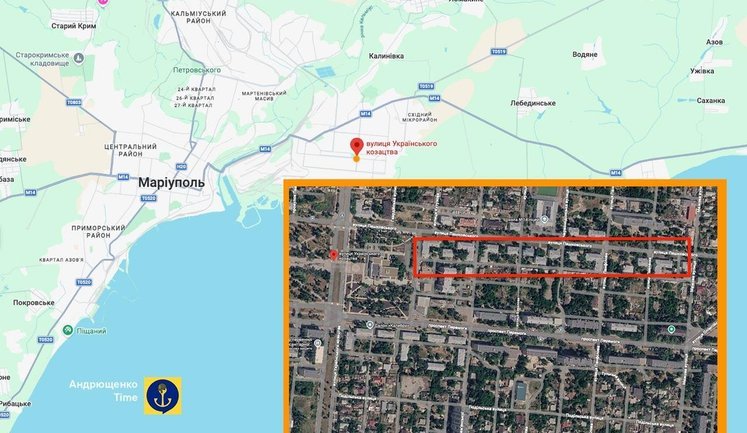
In the temporarily occupied city of Mariupol, property sales in new-build developments have surged by 230%, with 305 flats sold in July. This alarming trend is part of a broader appropriation by Russian occupiers, who are preparing new demolitions of residential areas and plan to confiscate over 34,000 Ukrainian housing units across the temporarily occupied territories. Many residents face eviction, with properties slated for transfer to Russian citizens. The situation in Donetsk follows a similar pattern, with forced evictions of residents who are then relocated to temporary accommodations. This systematic seizure highlights ongoing concerns about property rights and the broader impacts of occupation on Ukrainian citizens.
What trends are seen in Mariupol's property market?
In Mariupol, there has been a 230% increase in flat sales in new developments. In July, 305 flats were sold, indicating a significant rise in activity within the property market in this occupied region.
Why are residents in occupied Mariupol being evicted?
Residents are being evicted due to ongoing preparations for a new wave of demolitions targeting low-rise residential buildings. The occupying forces have been warning residents of their impending eviction, leading to heightened insecurity and displacement.
What is happening to Ukrainian properties in occupied territories?
Since 2024, there has been an organized effort by the occupation authorities to confiscate at least 34,002 properties, including apartments and homes. These are being reallocated, primarily to Russian citizens, as an extension of Russian control.
How are people in Donetsk affected by property seizures?
In Donetsk, a new wave of housing inspections has resulted in mass evictions. Residents are being relocated to temporary accommodations, often using even minor damages as a pretext for eviction, exacerbating the humanitarian situation.
What is the broader impact of property appropriation in occupied Ukraine?
The appropriation of properties in occupied Ukraine exacerbates the humanitarian crisis, undermines property rights, displaces thousands, and attempts to integrate these regions further into Russian administrative and social systems.