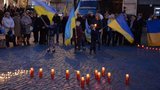
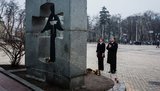
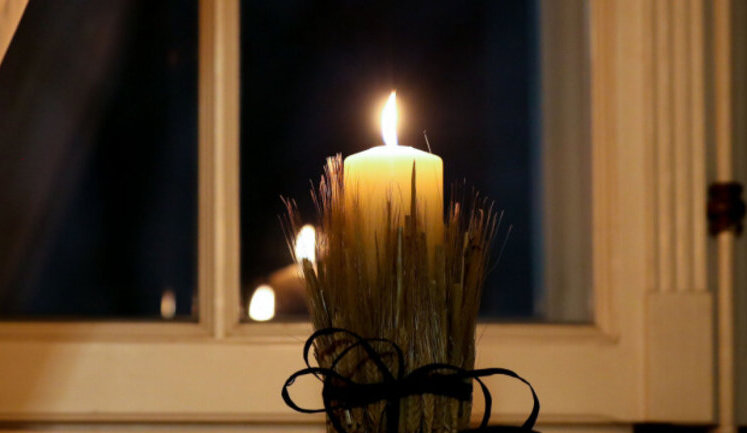
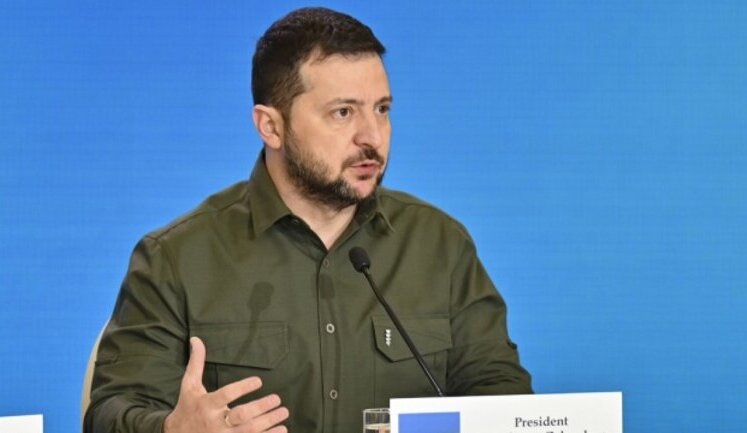
The Holodomor Memory Day serves as a poignant reminder of the severe famine that struck Ukraine in 1932-33, leading to the deaths of millions. This historical tragedy is regarded by many, including President Zelensky, as a genocide orchestrated by Stalin's regime. Presently, over 20 countries have acknowledged it as such, with continued international efforts urging wider recognition. Recently, a candle was lit in the Presidential Palace window in Warsaw, symbolizing solidarity with Ukraine. Similarly, worldwide initiatives, such as those by the KLYCH community, highlight the importance of acknowledging Ukraine's past amidst current geopolitical tensions, with accusations against Russia of inducing artificial famine persisting.
What is Holodomor Memory Day and why is it significant?
Holodomor Memory Day is observed annually to honor the millions of Ukrainians who perished during the Holodomor famine of 1932-33. This observance is vital as it seeks global recognition of the atrocity as genocide, serving both as a historical acknowledgment and a call for solidarity with Ukraine in the face of regional tensions.
How is the international community responding to Holodomor Memory Day?
The international community has shown varied responses, with over 20 countries officially recognizing Holodomor as genocide. Commemoration events occur globally, involving ceremonies, candle lighting, and advocacy by Ukrainian communities and governments, urging further recognition and support.
What actions has Ukraine taken regarding Holodomor recognition?
Ukraine actively advocates for global recognition of Holodomor as genocide, with President Volodymyr Zelensky calling on nations to acknowledge this historical event. The Ukrainian government and diaspora communities organize awareness events and diplomatic efforts to secure broader recognition and solidarity.
How are Ukrainian communities abroad involved in Holodomor commemorations?
Ukrainian communities abroad, such as the KLYCH community, play a crucial role in commemorations by organizing events and demonstrations in cities worldwide. They raise awareness and advocate for the Holodomor to be recognized as genocide, reminding the world of historical injustices and contemporary geopolitical challenges facing Ukraine.
What current geopolitical concerns relate to the Holodomor remembrance?
Current geopolitical concerns tied to Holodomor remembrance highlight allegations against Russia of creating food insecurity and artificial famine conditions, echoing past atrocities. The remembrance emphasizes Ukraine's role in global food security and positions the historical context as a lens for understanding contemporary regional dynamics.
What role do photographs and visual media play in Holodomor Awareness?
Photographs and visual media are crucial in Holodomor Awareness as they evoke emotional responses and provide tangible evidence of the historical atrocity. These visuals help convey the magnitude of the tragedy and support advocacy efforts by making the impacts more relatable and pressing for viewers worldwide.