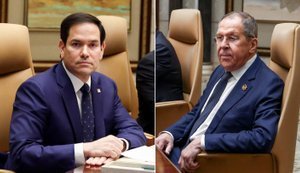
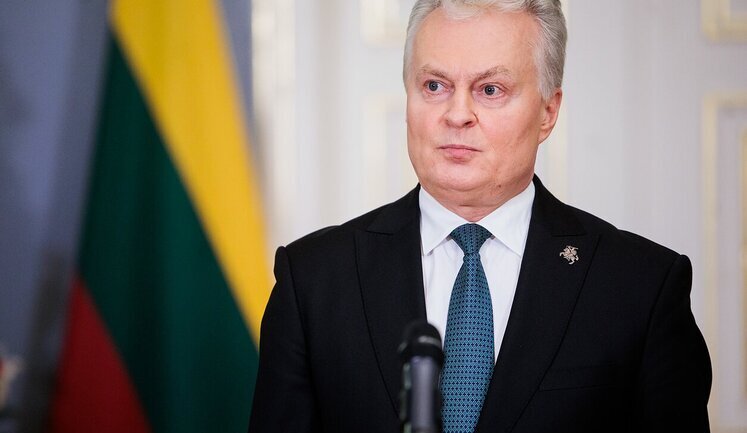
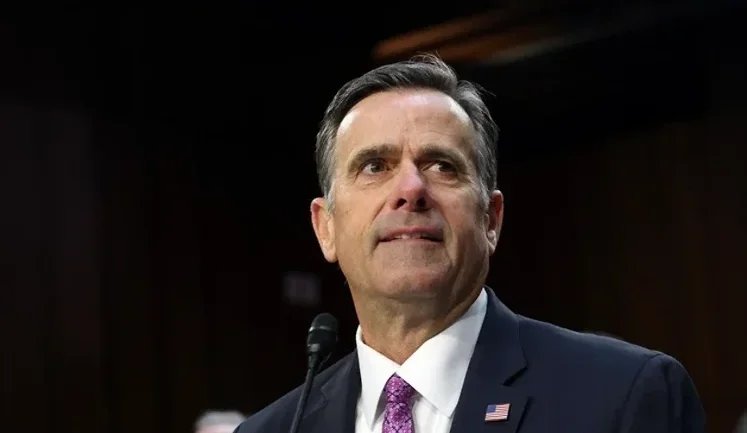
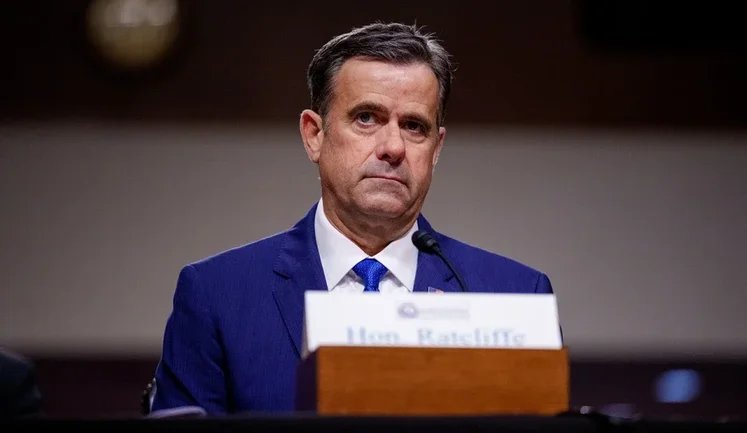
CIA Director John Ratcliffe's clandestine visit to Moscow has been a focal point of international news. In a series of meetings with top Russian officials, Ratcliffe advocated for high-level discussions involving leaders Donald Trump, Volodymyr Zelenskyy, and Vladimir Putin, aiming to bring an end to ongoing hostilities in Ukraine. While specific details of his meetings remain confidential at the US's request, it's understood Ratcliffe emphasized the precarious situation Russia finds itself in, suggesting serious negotiations are pivotal. Amidst this, US President Donald Trump expressed confidence in peaceful outcomes, stating that the US is determined to forge peace. Additionally, Ratcliffe's discussions underscored the inadmissibility of further escalation in the Baltic region and collaboration with Iran. While NATO officials like Estonia’s Tsahkna remain wary, hoping for reinforced alliances, others note the unchanged threat perception. Ratcliffe’s tactful diplomacy highlights the intricate balance of power and peace negotiations.
Why did CIA Director John Ratcliffe visit Moscow?
CIA Director John Ratcliffe traveled to Moscow to discuss high-stakes geopolitical issues with Russian leaders, aiming to initiate peace talks involving the US, Ukraine, and Russia. Ratcliffe emphasized ending the war in Ukraine and forestalled threats against the Baltic states while addressing Russia's ties with Iran.
What were the outcomes of CIA Director Ratcliffe’s visit to Moscow?
The outcomes of CIA Director Ratcliffe’s visit to Moscow are kept confidential, as requested by the US. However, the visit aimed to boost peace discussions regarding Ukraine, dissuade Russian aggression in the Baltics, and negotiate international security and cooperation improvements.
Is there any potential for peace talks involving the US, Ukraine, and Russia?
During his visit to Moscow, CIA Director John Ratcliffe proposed a summit involving US, Ukraine, and Russian leaders to foster dialogue aimed at ending the conflict in Ukraine. However, this depends on the political will of involved parties to engage constructively in the proposed discussions.
How has the visit affected US-Russia relations?
Ratcliffe's visit to Moscow has stirred diplomatic engagements between the US and Russia, suggesting potential avenues for peace, though posing challenges due to strategic security concerns. US officials are keen on stabilizing relations, contingent on Russia's global conduct modification.
What discussions did Ratcliffe have regarding NATO?
Ratcliffe reportedly communicated the US stance on Russian actions potentially threatening NATO allies. He affirmed US commitment to NATO defense and highlighted the inefficacies of escalatory military actions, urging Russia to adopt a cooperative posture concerning alliance territories.
What is the significance of the CIA Director's interaction with Vladimir Putin?
The engagement between CIA Director Ratcliffe and Russian President Putin was pivotal in conveying US intentions towards resolving the Ukrainian conflict and reducing regional tensions. This interaction could herald a critical juncture for diplomatic negotiations and impact global stability dynamics.
How did the US President react to Ratcliffe’s diplomatic efforts?
US President Donald Trump expressed optimism following Ratcliffe's diplomatic efforts, voicing confidence that US engagement with Russia could usher in a peaceful resolution to the Ukraine conflict. Trump underscored the US's commitment to peace, albeit certain details remain under diplomatic discretion.
What role does the Baltic region play in US-Russia talks?
The Baltic region is a significant aspect of US-Russia diplomatic conversations due to Russia's strategic positioning. Ratcliffe communicated US opposition to any aggressive maneuvers by Russia towards Baltic states, emphasizing the necessity for de-escalation and adherence to international norms.