



Companies in EU lack explosives to increase production of ammunition for Ukraine, - Financial Times
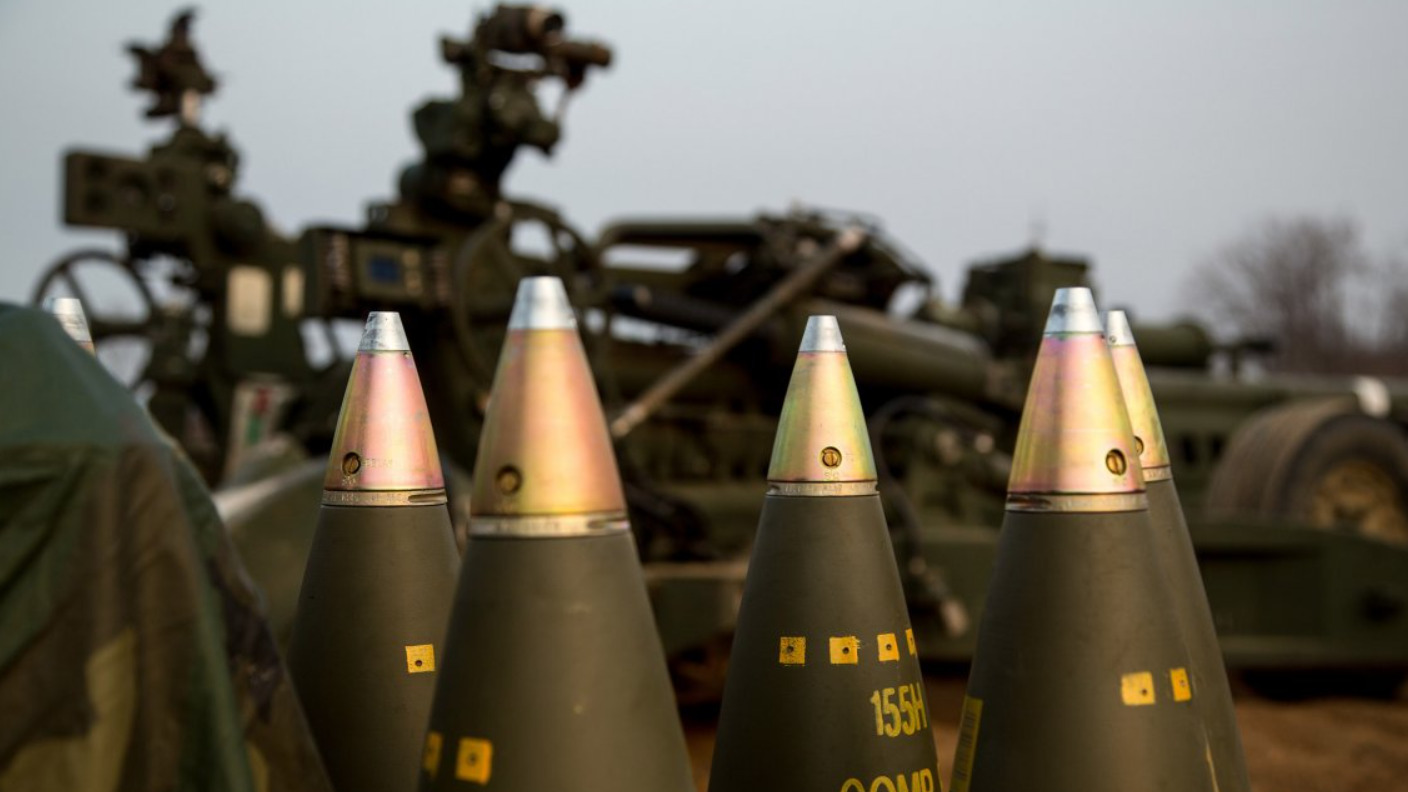
Europe’s push to produce more munitions for Ukraine is being hampered by a shortage of explosives that industry insiders fear could delay efforts to ramp up projectile production by three years.
As reported by Censor.NET with reference to European Pravda, the Financial Times writes about it.
According to officials and manufacturers, shortages of gunpowder, plastic explosives, and TNT have left the industry unable to quickly fulfill expected EU orders for Ukraine, regardless of how much money is allocated to solve the problem.
"The fundamental problem is that the European defense industry is unable to produce military products on a large scale," said one German official.
Producers, industry executives, and EU officials warn that increased demand can only push up prices, which have already risen by a fifth in the past year.
"It is very difficult to increase the production of artillery ammunition, especially heavy, large-caliber ones, in a short time. It is very easy to build a new artillery factory, but how to produce more artillery shells without raw materials," said the head of the Association of the Defense and Security Industry of the Czech Republic, Jiří Hinek.
Defense industry officials say Europe has limited supplies of the explosives such as gunpowder, TNT, and nitrocellulose needed to make the shells.
"It is not possible to increase the production of nitrocellulose in a short time...There are no important producers of the raw materials we need in Europe. If I want to increase the production of gunpowder, I need probably three years," said Hinek
Explosia, the Czech state-owned producer that is one of Europe's largest suppliers of explosives to munitions factories, told the FT that its production of rocket propellants used in 155mm artillery was "running at full capacity" and would not be increased until 2026.
This week, the Romanian government announced that it is negotiating with American and South Korean companies to build a gunpowder plant in the country. The last such plant was closed in 2004.
Fábrica Municiones de Granada (FMG), one of two Spanish manufacturers of 155 mm artillery, has been operating at full capacity since last October, producing shells for a trading company that sells them to Ukraine. But FMG CEO Antonio Caro said the production expansion took four to five months because of difficulties in obtaining key materials and components.
The cost of basic materials has "doubled and in some cases tripled," Caro said. This growth and surge in demand led to higher ammunition prices, although the increase was less noticeable. According to him, a typical projectile today costs 850 euros, which is about 20 percent more than before the Russian invasion.
Currently, FMG, which is owned by the Slovakian group MSM, has no plans to increase capacity. "I hope the war will end soon," Caro said.
MSM also produces 155 mm shells in Slovakia and said it "plans to build a new production facility" to increase production of artillery shells, but declined to give a timeline.


