



Adjustments to territorial issues in peace agreement with Ukraine will be unacceptable - Ushakov
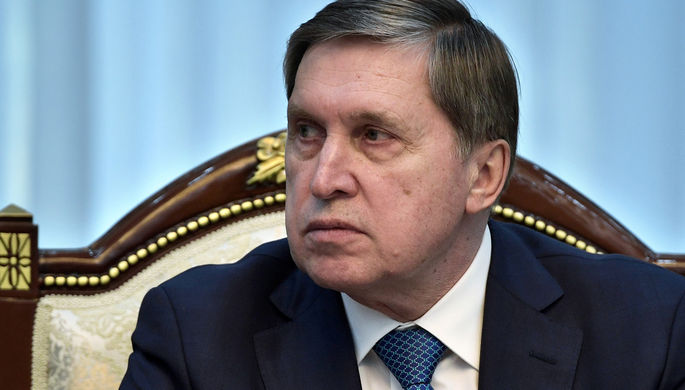
Moscow has stated that Ukrainians and Europeans are unlikely to make constructive adjustments to the peace plan on territorial issues, emphasizing that any amendments will be met with "very sharp objections."
As reported by Censor.NET with reference to Interfax-Ukraine, this was stated by Russian dictator Vladimir Putin's aide Yuriy Ushakov, who is quoted by Russian media.
There will be "very sharp objections"
He stated that the Kremlin had not seen any amendments to the documents proposed by the US regarding the end of the war in Ukraine.
"If there are relevant amendments, we will have very strong objections, as we have clearly stated our position, which seemed to be quite clear to the Americans. On many points. There will be provisions that are completely unacceptable to us, including on territorial issues. That's what I think," Ushakov said.
In addition, he emphasizes that "the contribution of Ukrainians and Europeans to these papers (the peace plan proposed by the US – Ed.) is unlikely to be constructive."
The Korean model of "demarcation"
When asked whether Moscow was considering using the Korean model of "demarcation" as an option, Ushakov stated that the option of "copying the Korean model" had never been discussed.
The US peace plan: what is known
According to publicly available information, the peace plan includes, among other things:
- withdrawal of Ukrainian troops from parts of the Donbas region, even those currently controlled by Ukraine;
- restrictions or reductions in Ukraine's armed forces – the first version of the plan proposed reducing the size of the army;
- renunciation of key categories of weapons and reduction of military support from the US;
- equating the Russian language with the status of an official state language in Ukraine and granting special status to religion/the church (mentioning the legalization of structures associated with the Russian church);
- providing Ukraine with security guarantees—similar to the provisions enjoyed by countries protected from attack, if an agreement is concluded.


