



67% of Belgians oppose use of frozen Russian assets for Ukraine, - survey
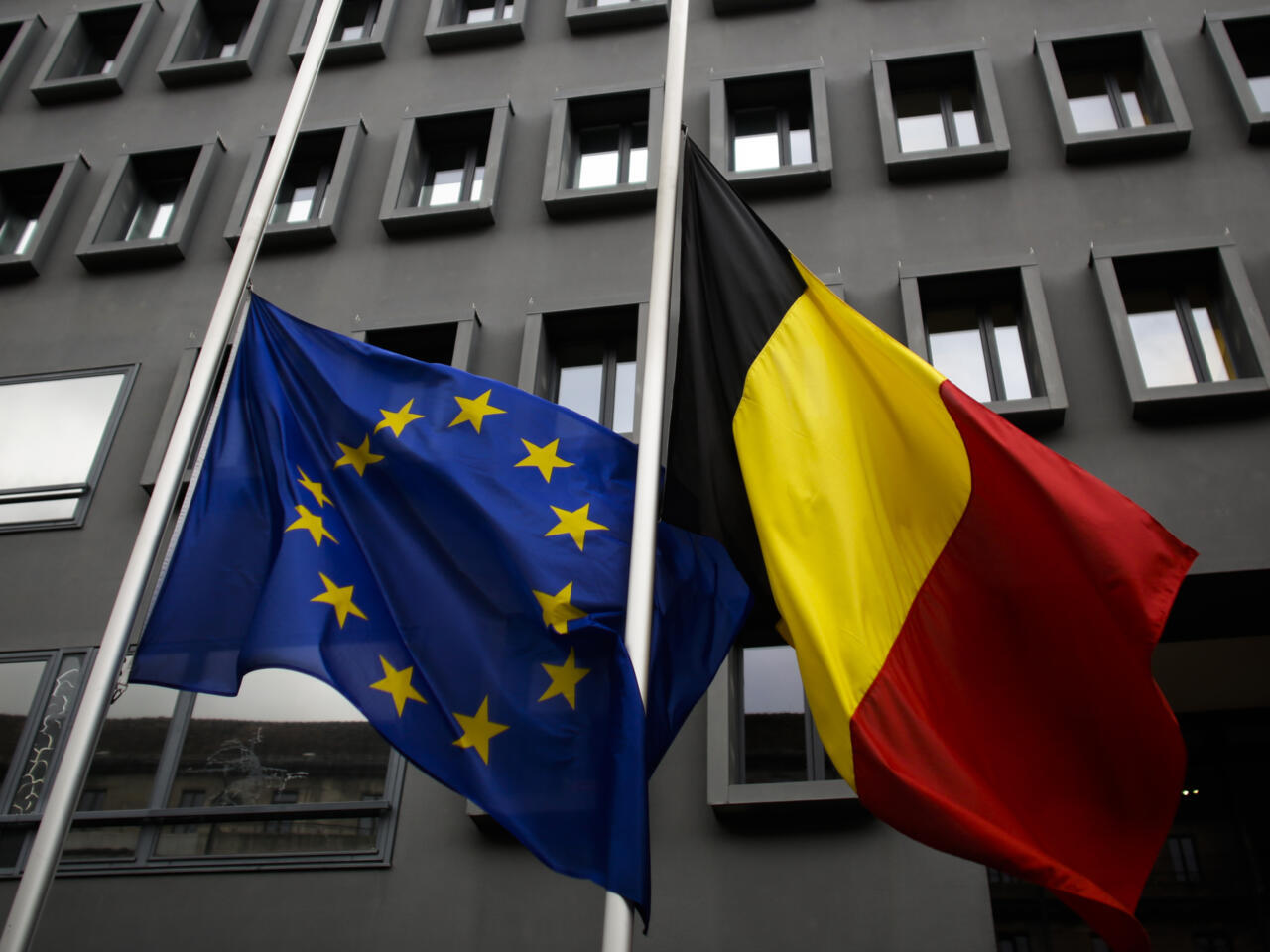
Most Belgians oppose the use of frozen Russian assets to finance a "reparation loan" for Ukraine.
As reported by Censor.NET with a link to "European Truth," this is evidenced by a survey conducted by RTL info – IPSOS – Le Soir Grand Barometer.
Most are concerned about systemic risk
Yes, when asked "Since the start of the war in Ukraine, around €183 billion of Russian assets have been frozen in Euroclear in Belgium. Should the government agree to release these funds to finance support for Ukraine?" the overwhelming majority of Belgians agree with Prime Minister Bart De Wever, who opposes the idea of using Russian assets to benefit Ukraine.
It is noted that 67% of Belgians surveyed believe that the government should not agree to transfer frozen Russian assets to Ukraine. They are particularly concerned about the systemic risk this poses to Belgium.
At the same time, 22% do not share such concerns, and 11% say they are not interested in this issue.
Regional level
At the regional level: this time, the Walloons, Flemings, and Brussels residents are relatively unanimous: 62%, 71%, and 56% of respondents, respectively, expressed their agreement with the position currently advocated by Bart De Wever. However, it is the Flemings who are most opposed to the use of Russian assets.
Russian assets to help Ukraine
- We would like to remind you that earlier, European Commission President Ursula von der Leyen proposed using frozen Russian assets as collateral for providing Ukraine with "reparation loans." Formally, Russian assets subject to sanctions will not be confiscated, but Ukraine will repay such loans only after Russia pays reparations.
- According to various estimates, the European Union's "reparations loan" to Ukraine, secured by Russian assets, could amount to €130-140 billion. Its final size will be determined after the International Monetary Fund assesses Ukraine's financing needs in 2026 and 2027.
- In total, Euroclear currently holds more than €175 billion in cash from frozen Russian assets, which could be used to secure a new loan. But before the EU agrees to grant a reparations loan, it will want to repay the G7 loan to Ukraine of €45 billion ($50 billion) agreed last year, which was to be repaid from the proceeds of frozen Russian assets.


