



European Parliament is preparing to approve "reparation loan" to Ukraine under accelerated procedure
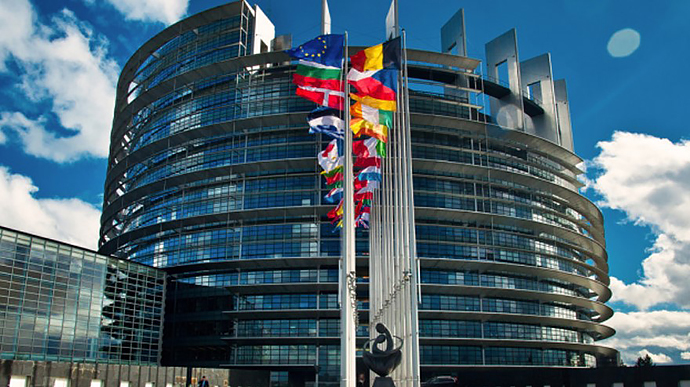
The European Parliament intends to apply the so-called urgency procedure to speed up the adoption of a "reparation loan" to Ukraine. This may happen after EU leaders agree on the use of frozen Russian assets for the benefit of Ukraine.
This was reported by the European Parliament's press service, according to Censor.NET.
What is known?
As noted, members of the European Parliament are preparing to vote on a proposal to grant Ukraine a "reparations loan" at a plenary session in January 2026.
On Tuesday, the European Parliament supported the request to speed up the legislative process on the draft law on granting a loan to Ukraine.
"This new instrument, if approved, will help meet Ukraine's financial needs and support the state budget, including military capabilities, as well as the country's defense industry and its integration into the European defense industrial base. The proposed loan is linked to the existing assistance mechanism for Ukraine and the cooperation mechanism with Ukraine in the field of loans," the EP said.
Next steps
It is reported that after the European Parliament has begun its work on the proposal, it must also be approved by EU member states.
EU heads of state and government are expected to try to reach agreement on next steps at the EU summit in Brussels on December 18-19, 2025.
Russian assets to help Ukraine
- Earlier, European Commission President Ursula von der Leyen proposed using frozen Russian assets as collateral for providing Ukraine with "reparation loans". Formally, Russian assets subject to sanctions will not be confiscated, but Ukraine will repay such loans only after Russia pays reparations.
- According to various estimates, the European Union's "reparations loan" to Ukraine, secured by Russian assets, could amount to €130-140 billion. Its final size will be determined after the International Monetary Fund assesses Ukraine's financing needs in 2026 and 2027.
- In total, Euroclear currently holds more than €175 billion in cash from frozen Russian assets, which could be used to secure a new loan. But before the EU agrees to grant a reparations loan, it will want to repay the G7 loan to Ukraine of €45 billion ($50 billion) agreed last year, which was to be repaid from the proceeds of frozen Russian assets.


