



Russia is conducting large-scale fake news campaign against Ukraine at Olympics, including generating AI videos, - BBC
A large-scale Russian disinformation campaign began during the Winter Olympics in Milan. The Kremlin is attempting to use AI-generated videos to portray Ukrainian athletes and fans as aggressive, corrupt, and unacceptable.
This is mentioned in a study by BBC Verify experts, reports Censor.NET.
Russian fakes
Since January 30, BBC Verify experts have analyzed 43 examples of fake news provided to them by independent American researchers. BBC Verify has been tracking this operation for several years.
- "Matryoshka" is one of the many names by which this Russian disinformation campaign is known. Almost nothing is known about where "Matryoshka" operates, who runs it, or whether it really has ties to the Kremlin.
-
Matryoshka operates by publishing large amounts of fake content, which is coordinated and distributed through a network of fake social media accounts. Experts say the goal of the campaign is for some of this content to be shared by real accounts or covered by the media.
Campaign against Ukraine
The BBC cites an example from a press conference held by International Olympic Committee President Kirsty Coventry. First, they showed Coventry's real press conference on Euronews regarding the disqualification of skeleton racer Vladyslav Heraskevych due to a "memory helmet," and a few seconds later, Coventry's voice began to be generated by artificial intelligence.
She "claims" that she was shocked that Ukrainians came to Milan "for crazy political PR," that the athletes are acting aggressively, and that she swears she has "never met such annoying people." But footage from the actual press conference proves that Coventry did not say any of these things.
BBC Verify saw this same tactic used to create a deepfake of an American commentator at the Winter Olympics, and Canadian broadcaster CBC debunked an AI video featuring one of its journalists.
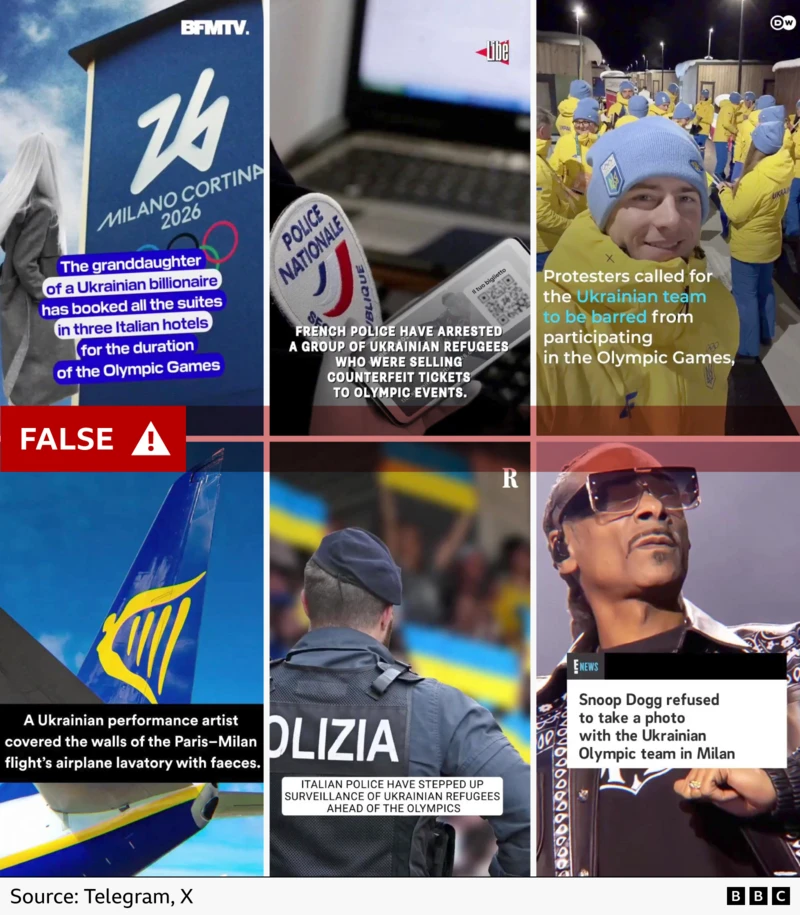
It is noted that Matryoshka first attracted widespread attention during the Olympic Games in Paris in 2024, but according to a report by the French government, it has been operating since at least September 2023.
"Its goal is to influence public opinion in the EU and the US regarding Russia's invasion of Ukraine, undermine trust in democratic institutions, polarize public opinion on sensitive issues, and damage the image of Ukrainians," adds the BBC.


