



US Congress advances $9 billion aid package for Ukraine
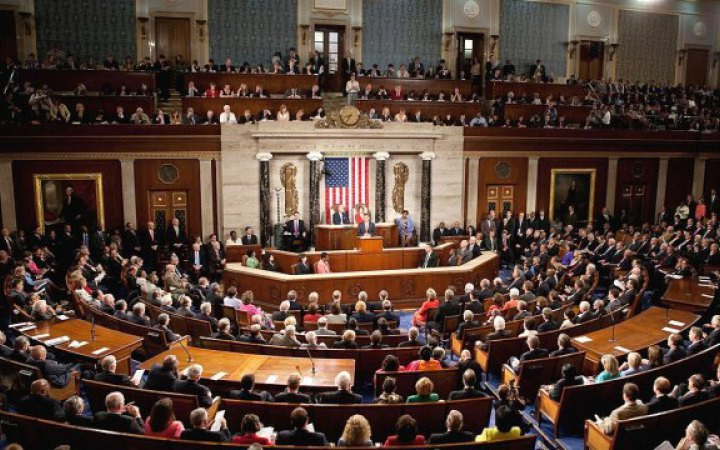
The House of Representatives approved a resolution paving the way for consideration of a bill on a new package of support for Ukraine, which includes $1.3 billion in security assistance and up to $8 billion in loans.
According to Censor.NET, this is reported by The Hill.
How the document was put to a vote
The initiative was successfully brought to the floor through a discharge petition—a mechanism that allows lawmakers to bypass the leadership of the U.S. House of Representatives and bring a bill to a vote provided that at least 218 signatures are collected. Congressman Kevin Kiley’s signature proved to be the deciding factor, after which the bill was officially admitted for consideration.
Next steps and political implications
The petition ultimately received the support of 218 lawmakers: 211 Democrats, six Republicans, and one independent congressman, while 204 Republicans voted against it.
Among the Republicans who supported bringing the bill to a vote were:
- Michael McColl from Texas,
- Don Bacon from Nebraska,
- Brian Fitzpatrick of Pennsylvania,
- Mike Lawler from New York,
- Max Miller from Ohio,
- Joe Wilson from South Carolina.
"For the U.S. House of Representatives, this is a defining moment—akin to choosing between Churchill and Chamberlain—when it comes to supporting democracy and standing up to a tyrannical aggressor. Tonight, we chose Churchill. But this is not the end. We still have two more votes to take before this bill is finally passed by the House of Representatives. Moral clarity and freedom must prevail," Wilson wrote on social media platform X.
Next, the House of Representatives must hold two votes: one on the rules for considering the bill, and the other on its adoption. If the bill receives support, it will be sent to the Senate.
The bill is set to be reviewed by the relevant committees, after which it will be put to a vote. A simple majority is required for passage, but at least 60 senators’ votes are typically needed to overcome a potential filibuster—a procedure designed to delay or block consideration.
The final step will be a decision by U.S. President Donald Trump, who can either sign the bill into law or veto it. If the president exercises his veto power, Congress will be able to override it only if the bill receives a two-thirds majority in both the House of Representatives and the Senate.


