



Around 7% of those mobilised are entitled to deferment, which was not taken into account during mobilisation process, – Reshetylova
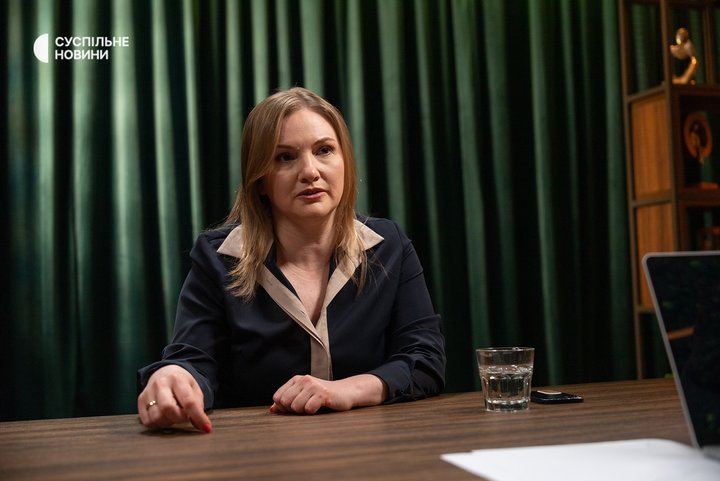
Around 7% of all those mobilised are legally entitled to a deferment, which, for some reason, was not taken into account during the mobilisation process.
This was stated by Military Ombudsman Olha Reshetylova in an interview with "Suspilne", reports Censor.NET.
Mobilisation of those entitled to deferment
"According to our estimates, such servicemen account for around 7% of all those mobilised. In other words, 7% of those mobilised have a legal right to deferment, but for some reason, this was not taken into account during the mobilisation process. This could be, for example, a poorly conducted medical examination, or failure to take into account the documents held by the serviceman. Or the fact that they have three or more children, or that they have been granted guardianship of a close relative. It could also be people who are the closest relatives of servicemen who have been killed, are missing in action, or have been taken prisoner. These are the three main reasons," the official explained.
According to Reshetylova, a serviceman who has a legal right to deferment but is drafted into service "will, sooner or later, either be discharged, or desert, leave his unit without permission, or simply become dead weight somewhere in the military unit, unable or unwilling to perform any tasks".
Financial losses due to poor-quality mobilisation
In addition, she explained that the Office of the Military Ombudsman had calculated how much it costs the state to maintain a single soldier who is legally entitled to a deferment or discharge.
"Because he is registered, receives a salary, and is fully provided for: uniform, food, personal protective equipment. The state also treats him at its own expense. Or, for example, instructors spend resources on him, and various resources are spent on him for training at training centres, and so on. This is a huge amount of resources that we are wasting simply because of poor-quality mobilisation. And the state needs to see these funds, to understand that we are simply throwing them away. We are also creating a social problem, social tension, and in no way are we solving the issue of replenishing the army through these people," Reshetilova said.
At the same time, she declined to give specific figures.
"We announced them when we reported on the first hundred days of the Military Ombudsman’s Office. I think the people involved in policy-making understand how much this costs. These are very large figures," the military ombudswoman stated.


