



Russian army does not stop assaults and is expanding kill zone in Pokrovsk direction, - spokesman for 59th Brigade
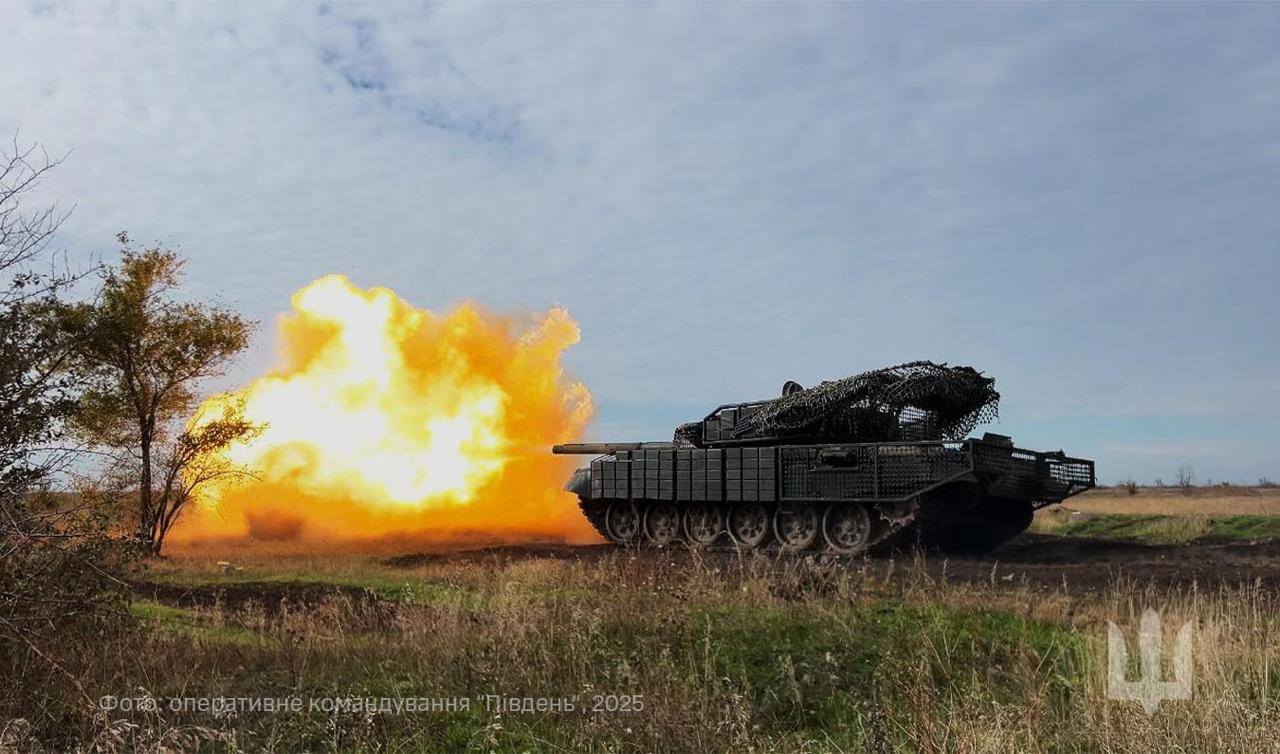
Russian troops in the Pokrovsk sector continue to expand their area of operations, which is complicating logistics for the Defense Forces.
According to Censor.NET, which cites "Suspilne," this was reported by Taras Myshak, a spokesperson for the 59th Separate Unmanned Systems Assault Brigade.
Russia is expanding its no-fly zone
As noted, the unit is holding its defensive positions along the border between the Donetsk and Dnipropetrovsk regions. According to the spokesperson, the occupiers are increasing the number of UAVs and launching attacks from even further away from the line of contact.
"The Russians are expanding their zone of control. It's growing, and their attempts to storm the area continue unabated. In fact, they try to infiltrate the area every day," Myshak said.
He noted that the expansion of the contact zone makes it more difficult for the Defense Forces to manage logistics and support the infantry at their positions.
"The logistics are very complex—getting everything that's needed to the front lines. Right now, this is actually being done by light bomber drones via air or by ground-based robotic systems," the spokesperson noted.
Application of the NRC
He also noted that UAVs are quite vulnerable to Russian drones because they move slowly, and if a drone spots one, there is a high probability that it will be destroyed. At the same time, Myshak emphasized that UAVs can be controlled remotely, so losing a UAV is much "cheaper" than if it were a human being.
Strikes against the occupiers
The spokesperson added that Ukrainian forces are also striking Russian infantry behind their lines. In particular, soldiers from the 59th Brigade are using drones to target assault troops advancing in small groups toward the defenders.
"We're trying to hold them back while they're still on the outskirts, preventing them from reaching our positions. We're taking them out with drones, detecting them remotely in advance, and not letting them enter our area of responsibility. Our drone operators detect them while they're still on their own territory and take them out, preventing them from engaging in close combat with our infantry," he said.


