



11 refineries and 8 military-industrial complex enterprises were hit in Russian Federation during June, - Ministry of Defense. LIST
Throughout June 2026, the Defense Forces struck 11 Russian oil refineries, 7 fuel logistics facilities, 8 military factories, space communications centers, ships, and ferries.
This was reported by the Ministry of Defense's press service, according to Censor.NET.
Details
The damage extended from occupied Crimea and the Krasnodar Krai to Western Siberia.
The maximum range of a successful strike exceeded 2,000 kilometers from Ukraine's state border, the Ministry of Defense noted.
Attacks on Oil Refineries
Eleven Russian oil refineries were attacked in June.
Tyumen Oil Refinery ("Antipinsky"), Tyumen Oblast, > 2,000 km
One of the largest oil refineries in Western Siberia. The refinery has a capacity of 7.5–9 million metric tons of crude oil per year. The facility produces petroleum products for the Russian military.
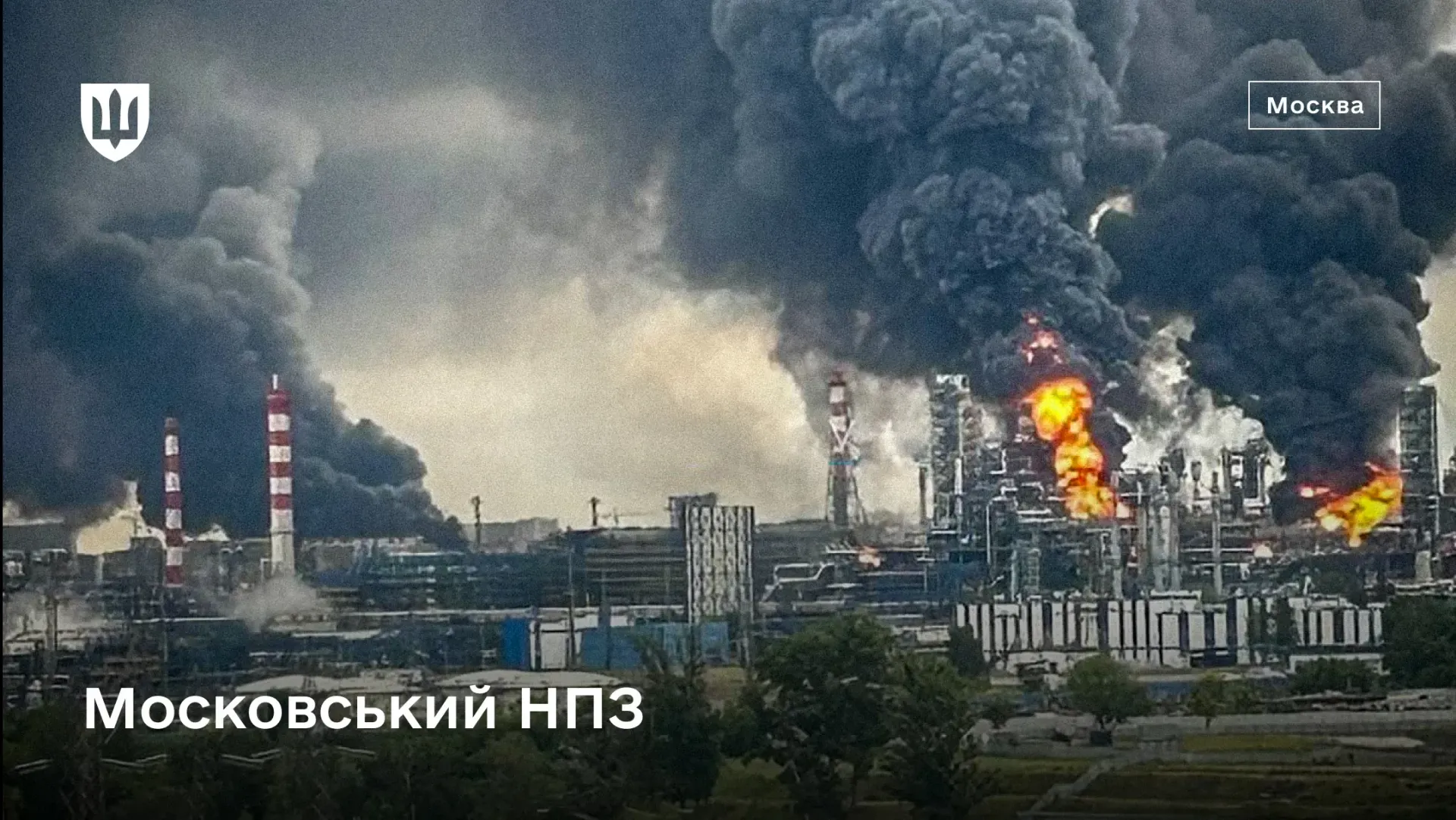
Moscow Oil Refinery, Moscow, ~500 km
The AVT-6 primary oil refining unit and the combined unit were damaged, and the storage tanks were destroyed.
The refinery has suspended oil processing for an indefinite period.
The company supplies up to 40% of Moscow's gasoline needs and about 50% of its diesel fuel needs, and also supplies jet fuel to airports in the Russian capital.
The Bashneft-Ufaneftekhim and Bashneft-Novoyl oil refineries in Ufa, ~1,500 km
"The Ufa Oil Refinery Complex is one of the largest oil refining hubs in the Russian Federation.
"They not only supply fuel to a significant portion of the Volga region, but also deliver fuel and lubricants to other regions of Russia, including supplies for military units operating in Ukraine," the statement reads.
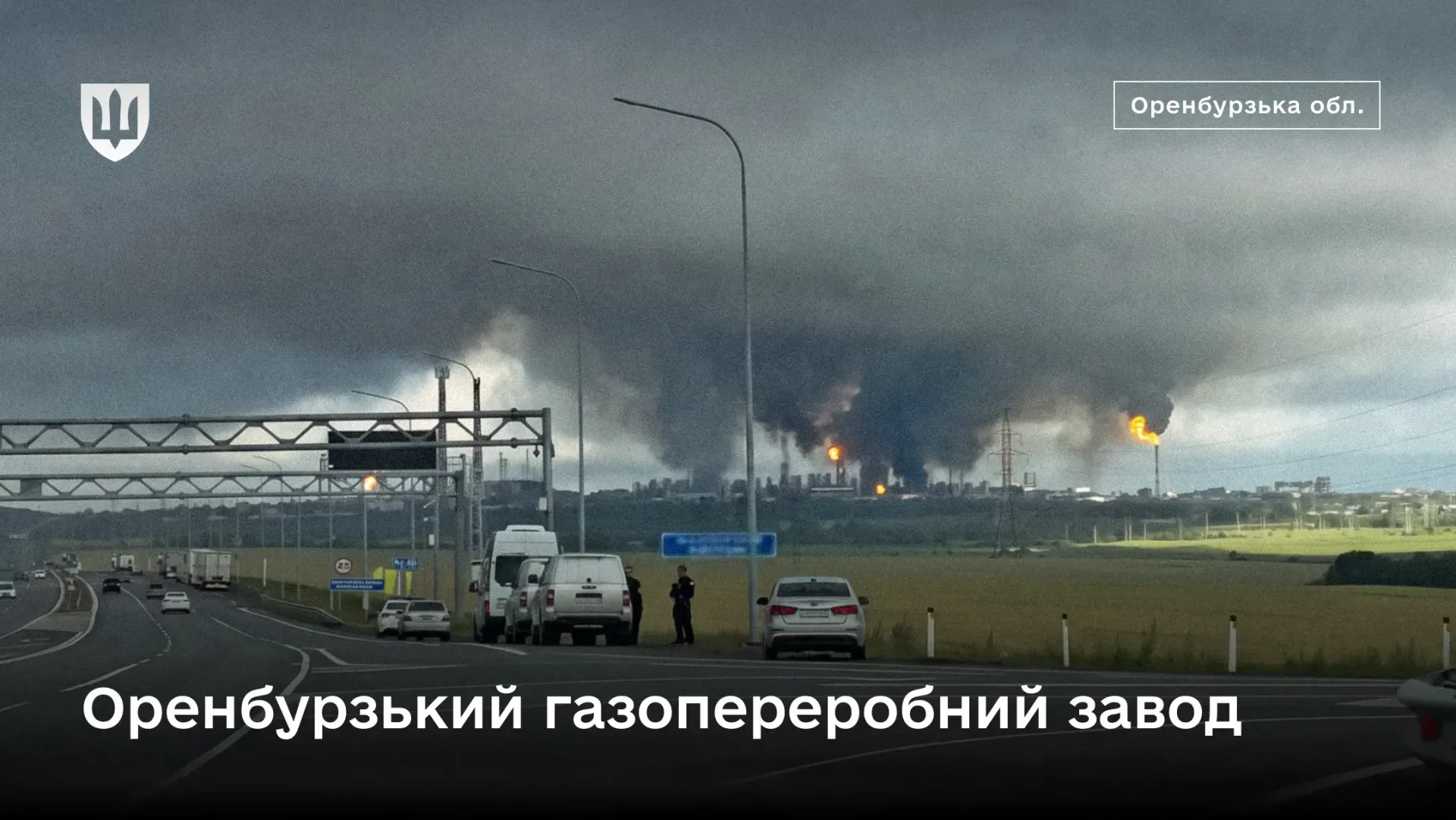
Orenburg Gas Processing Plant, Orenburg Oblast, > 1,200 km
Four gas processing units have been damaged, and production has been suspended.
The complex produces gas and sulfur, which is used in the manufacture of explosives.
The Orenburg Helium Plant extracts gas to produce helium and ethane, which are critical for rocket technology and aviation.
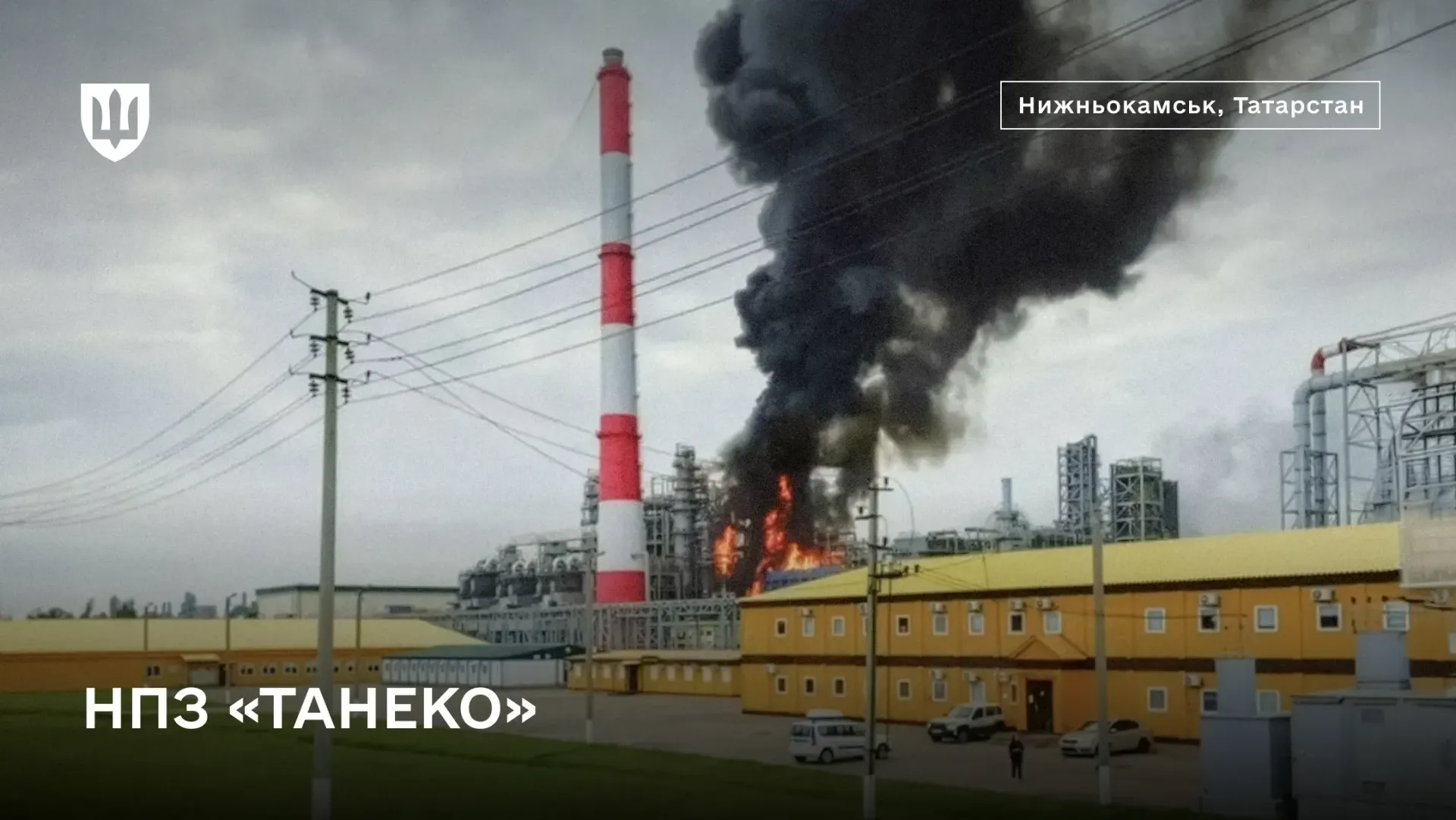
"TANECO" and "TAIF-NK" oil refineries, Nizhnekamsk, Tatarstan, ~1,200 km
The region's largest oil refineries, with a design capacity of over 16 million metric tons of crude oil per year, have been affected.
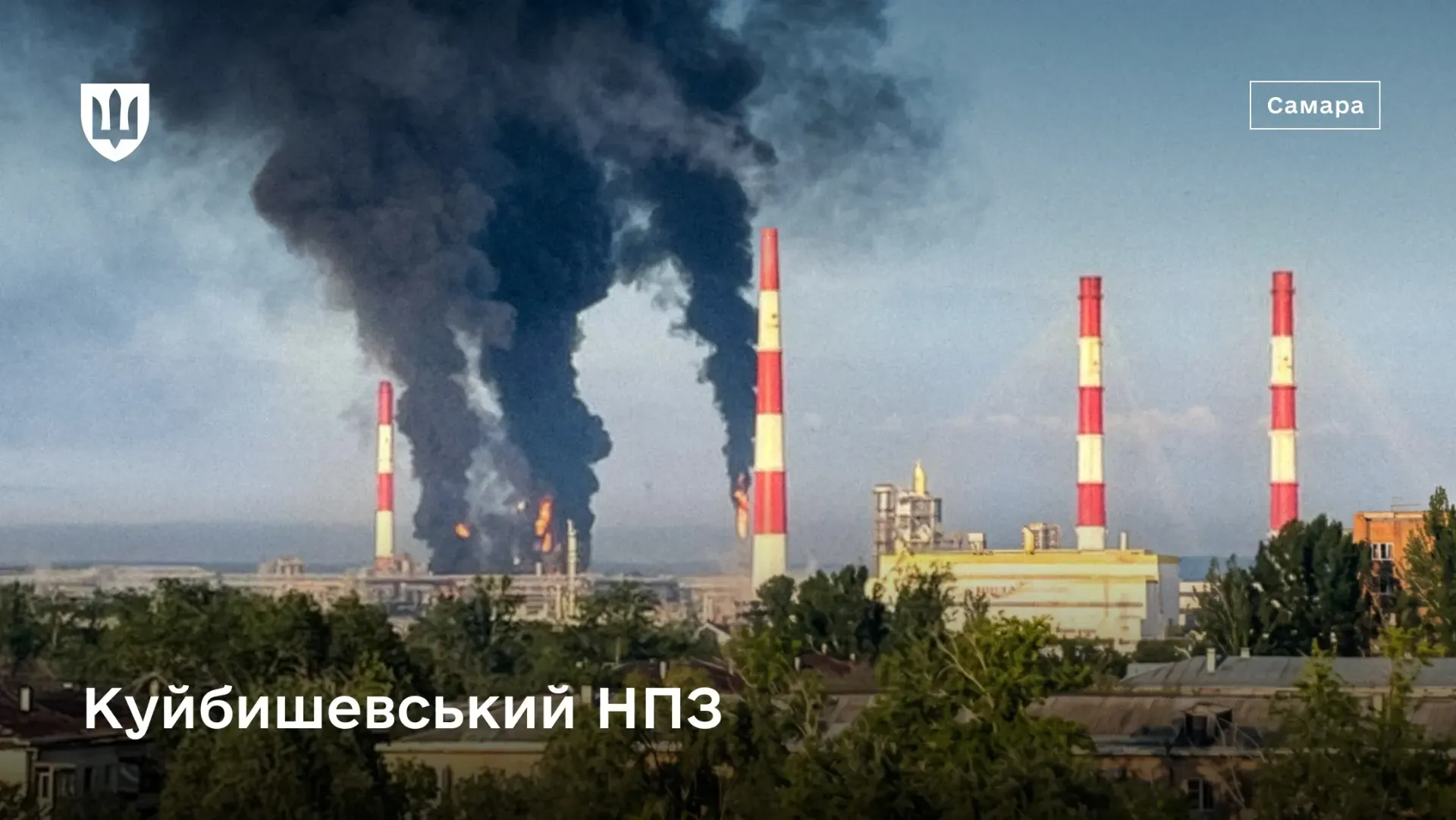
Kuibyshev Oil Refinery, Samara, > 900 km
A strike was carried out against a facility with an annual processing capacity of approximately 3.7 million metric tons of crude oil.
The plant suspended operations after the AVT-4 and AVT-5 primary processing units, as well as the tank farm, were hit.
Yaroslavl Oil Refinery ("Slavneft-YANOS"), Yaroslavl, ~800 km
A strike was recorded, causing smoke on the grounds of the plant, which has a design capacity of 15 million metric tons of oil per year.
The company produces fuel that is of vital importance to the Russian Federation's military logistics.
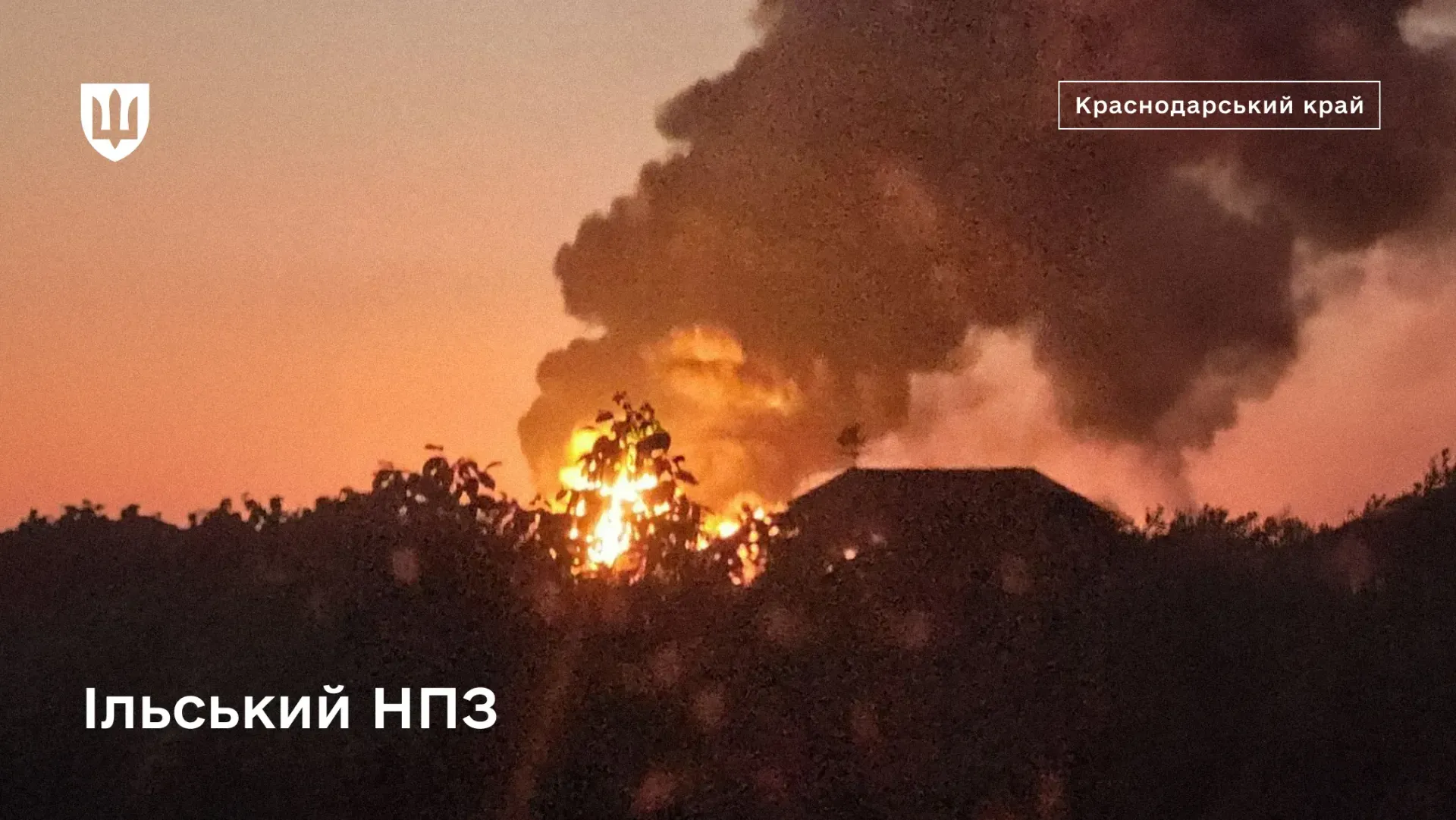
"Ilsky," "Afipsky," and "Slavyansky" oil refineries (Krasnodar Krai), ~300–400 km
These companies supply diesel fuel and gasoline for the Russian Federation’s military logistics. Their combined refining capacity exceeds 12 million metric tons per year.
Four storage tanks with a total capacity of 35,000 m³ were destroyed at the Slovyansk Oil Refinery. Nine additional storage tanks with a total capacity of 30,000 m³ were damaged, as was an oil refining unit.
Other facilities in the Russian oil industry have also been affected
- "Tamanneftegaz" oil and gas terminal, Taman, ~300 km;
- "Grushovaya" oil transshipment terminal, Novorossiysk, ~400 km;
- Rosrezerv's "Temp" oil depot, Rybinsk, > 700 km;
- the "St. Petersburg" and "Neste" oil terminals, St. Petersburg, ~900 km;
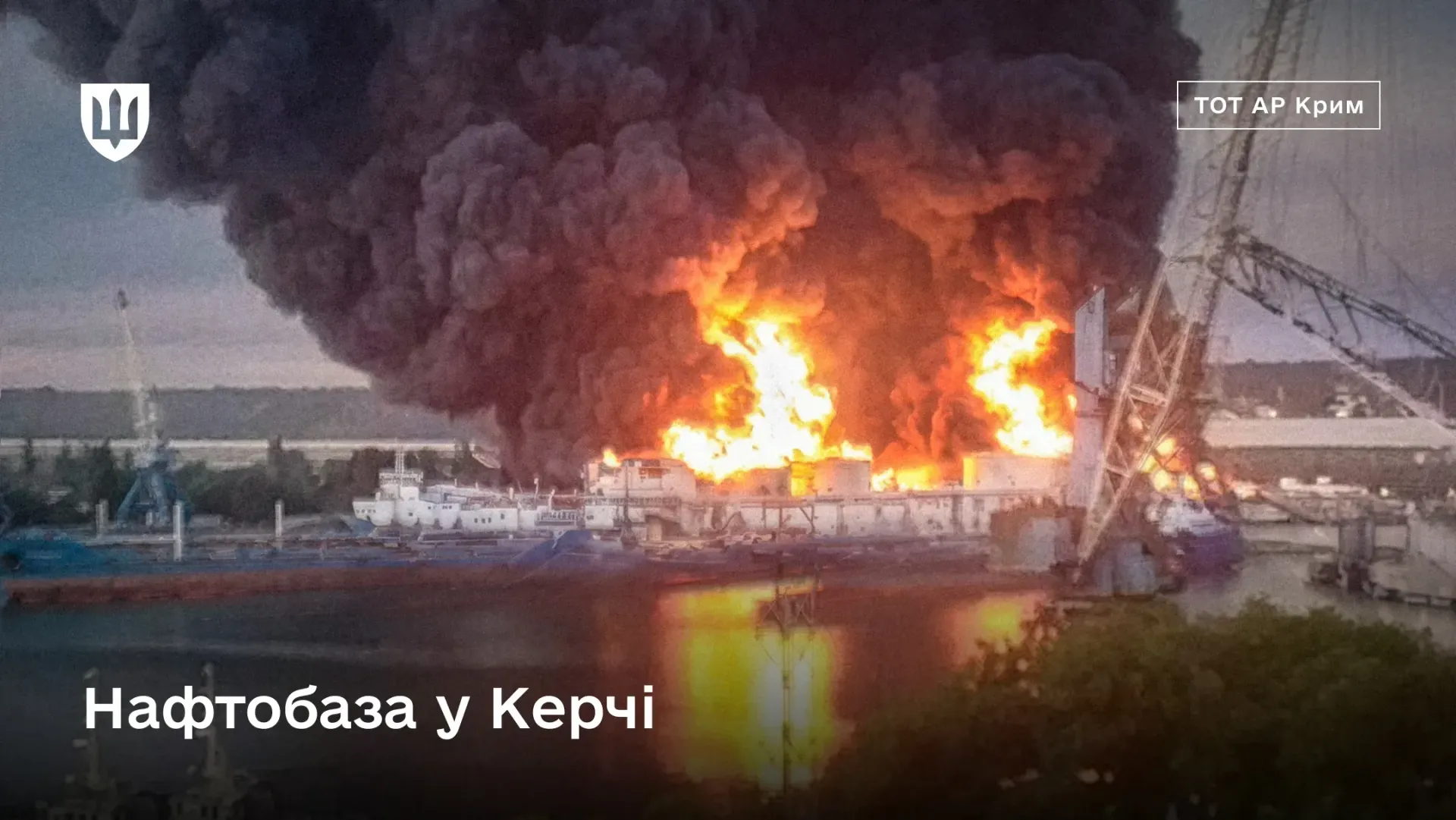
- oil depots in Feodosia and Kerch, the temporarily occupied territory of the Autonomous Republic of Crimea, ~300–350 km.
The Military-Industrial Complex and Communications
More than 8 strategic facilities were targeted, including plants that manufacture artillery systems and navigation electronics for missile weapons, as well as key satellite and military communications centers.
"Titan-Barrikady" Plant, Volgograd, ~600 km
FP-5 "Flamingo" missiles struck a facility that manufactures artillery systems and launchers for the "Iskander-M" tactical missile system and the "Topol-M" and "Yars" strategic missile systems.
"VNIIR-Progress" Plant, Cheboksary, > 900 km
The targeted facility manufactures "Kometa"-type antennas, which are used in Shahed-type UAVs, "Kalibr" and "Iskander-M" missiles, and UMPK modules.
"Dubna" Space Communications Center, Moscow Oblast, ~600 km
The strike caused significant damage to the main antennas and hardware-software systems. The center is the largest satellite communications and transponder control hub serving the Russian Ministry of Defense. In addition, this facility is used, among other things, for reconnaissance and to coordinate the activities of Russia’s occupying forces in Ukraine.
"Vladimir" Space Communications Center, Vladimir Oblast, ~700 km
Damage has been confirmed to the facility’s hardware and software systems and antennas, which provide communications for Russian forces.
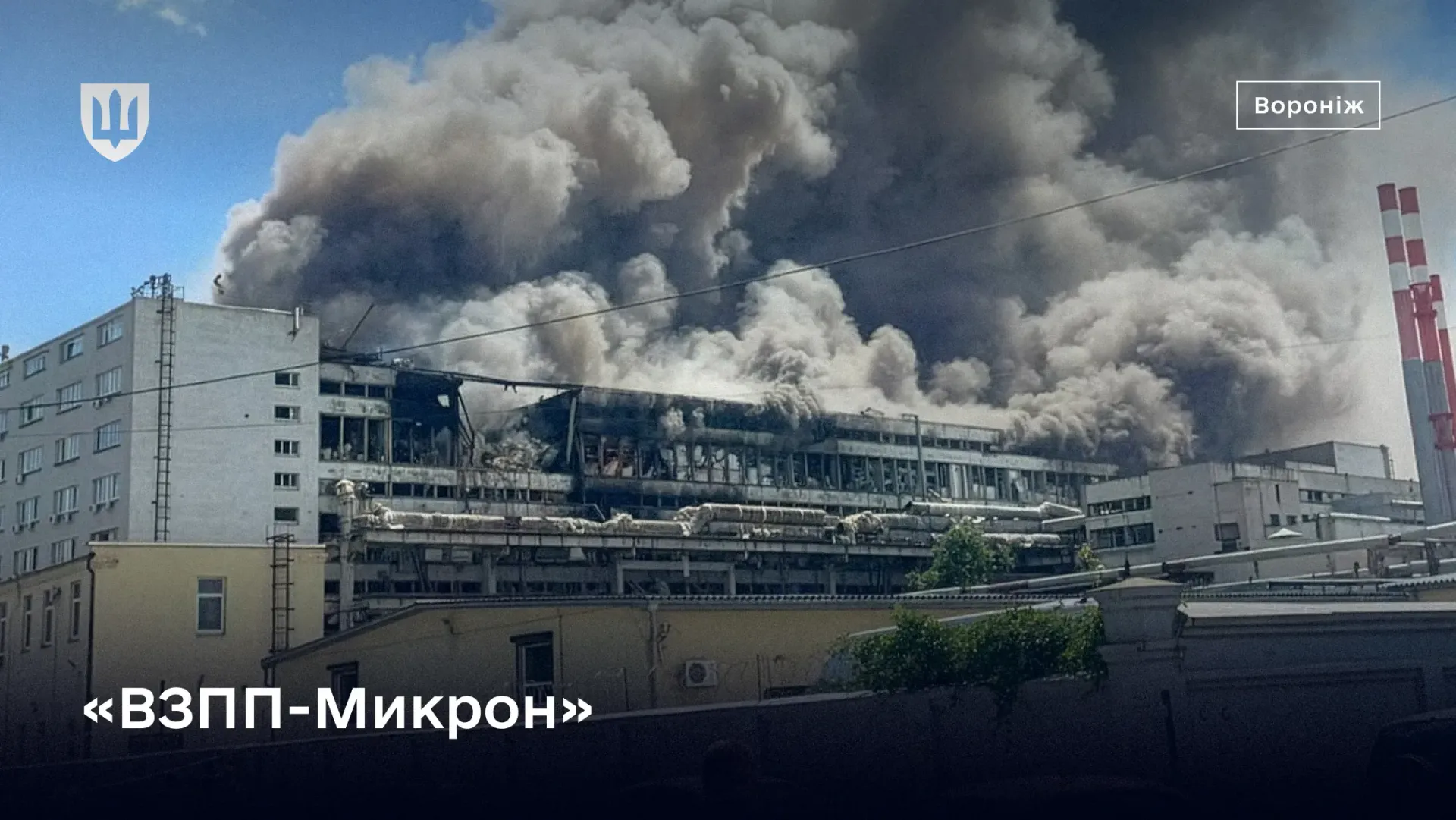
"VZPP-Mikron," Voronezh, ~250 km
A strike was carried out against a factory that manufactures electronic components for the Kh-101 cruise missiles, the Iskander-K tactical missile system, and the Pantsir-S1 air defense system.
Navy and Logistics
During June, the following were affected:
- Project 20380 "Steregushchy"-class corvette, Kronstadt, ~900 km;
- Project 10410 border patrol ship, Sea of Azov, ~200 km;
- Russian Federation shadow fleet tankers WEST Horizon and FINA A, Black Sea, ~200–300 km;
- port infrastructure and two ferries, the "Kavkaz" Port, ~350 km.


