



US has prepared major tightening of sanctions against Russia: some of restrictions will come into force automatically, - media
In the US, a revised draft bill has been drawn up to significantly tighten sanctions against Russia. The new version of the bill provides for the automatic imposition of some of the restrictions following its adoption and significantly expands the list of sectors of the Russian economy that will be subject to sanctions.
According to Censor.NET, this is reported by Radio Liberty.
According to the publication’s Washington correspondent, Alex Raufoglu, the bill’s sponsors plan to table it on Monday, 13 July.
As noted, the previous draft of the document stipulated that the decision on the US response to Russia’s rejection of peace efforts would depend almost entirely on President Donald Trump. However, this approach has been significantly revised in the new version.
A significant proportion of the sanctions are now set to come into force automatically within 30 days of the bill’s final approval.
According to Radio Free Europe/Radio Liberty, the new legislation extends sanctions far beyond Russian officials and banks. Investments, the Russian Federation’s sovereign debt, shipping, energy exports, uranium imports, services provided by financial institutions and other key sectors of the Russian economy may be subject to restrictions.
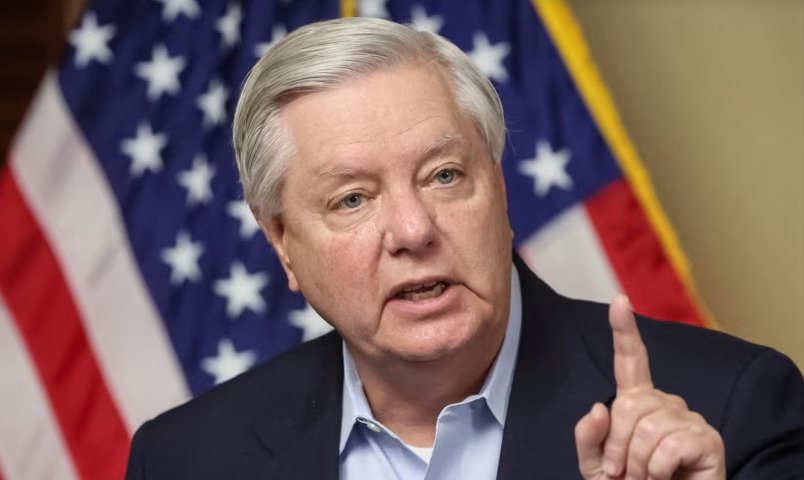
As reported, Senator Lindsey Graham, the author of the legislative proposal, stated during a briefing in Kyiv on 10 July that the new sanctions should help US President Donald Trump to bring the war in Ukraine to an end as quickly as possible.
According to Graham, the bill will provide the US President with powerful tools to exert economic pressure on Moscow. In particular, the bill will allow for the imposition of tariffs and strict restrictions on any countries that continue to purchase Russian oil and gas.
Furthermore, foreign companies and states that help the Kremlin circumvent existing restrictions could face sanctions. Senators Lindsey Graham and Richard Blumenthal have been working on the bill for almost two years.


