



West mistakenly expected to force Putin to negotiate through military pressure, – media
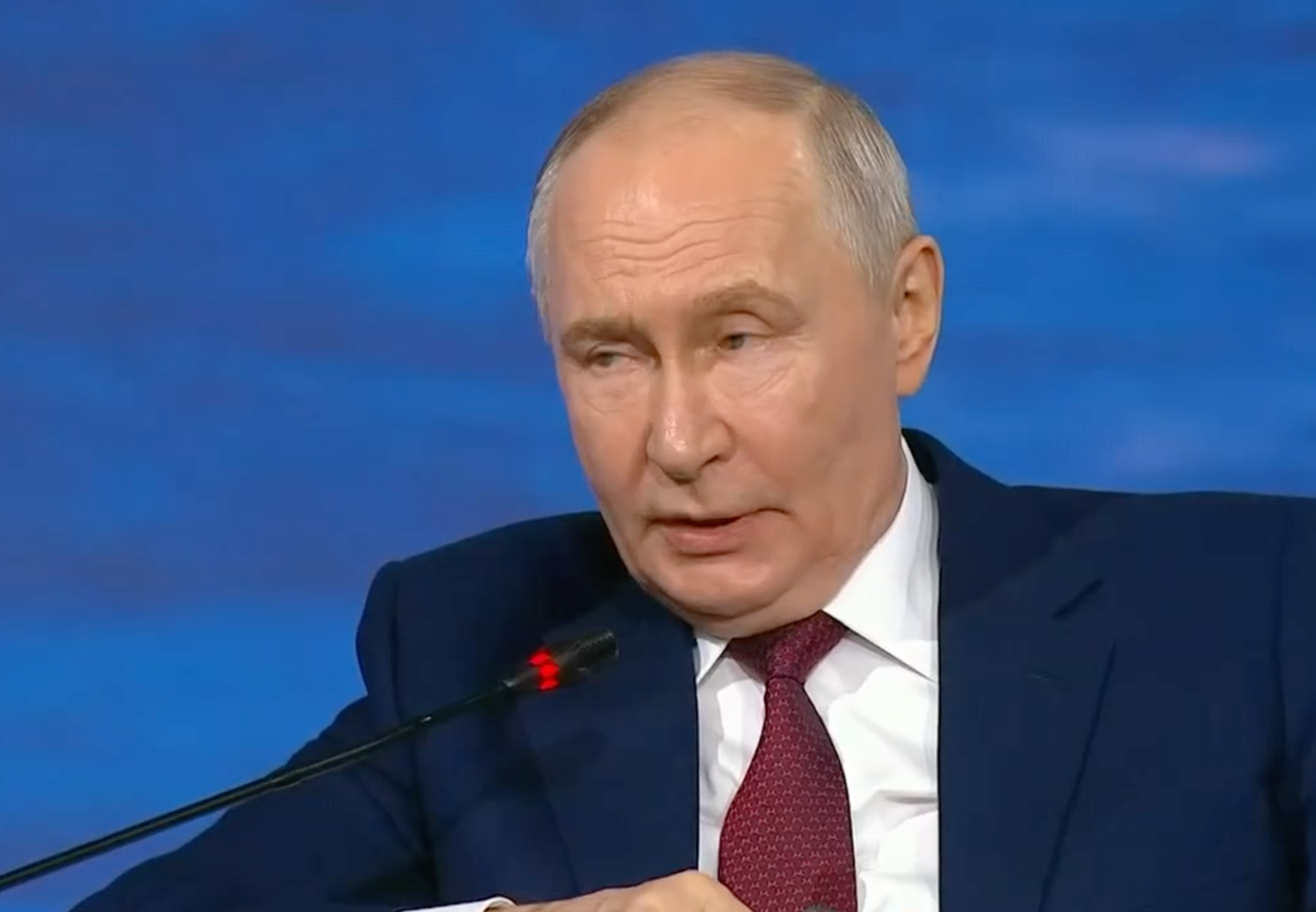
The strategy of the Western allies, which assumed that military setbacks and economic pressure would force Russian dictator Vladimir Putin to the negotiating table, has proven to be flawed. Instead, the logic of the authoritarian regime is pushing the Kremlin toward further escalation of the war.
According to Censor.NET, this is discussed in an article in Foreign Policy magazine.
The authors of the article note that Western countries assessed Moscow’s actions through the lens of rational international political logic, assuming that mounting casualties on the front lines and economic problems would force the Kremlin to seek a compromise.
However, according to analysts, Putin is primarily driven by the need to preserve his own power. Since Russia has not achieved its key military and political objectives, the start of genuine negotiations could threaten the stability of the regime.
The publication emphasizes that authoritarian regimes are capable of withstanding significantly greater internal pressure than democratic governments, so the coming months may not mark a phase of peaceful resolution but rather a period of further escalation of the war.
The strikes on the oil refinery have increased pressure on Russia
As Foreign Policy notes, the situation began to change following a series of Ukrainian strikes on Russian oil refineries. According to the publication’s estimates, long-range drones have attacked refineries about 200 times since the beginning of the year, resulting in the shutdown of eight of the industry’s ten largest facilities.
The authors claim that restrictions on fuel sales have been imposed in a number of Russian regions, and gasoline production has fallen to about one-third below demand levels. Against this backdrop, Putin publicly acknowledged the existence of a fuel shortage.
At the same time, according to analysts, economic pressure has not brought the Kremlin any closer to negotiations. On the contrary, Russia is responding with intensified missile strikes on Ukraine, attacks on energy infrastructure, hybrid pressure on European countries, and an escalation of domestic repression.
The West must combine military support for Ukraine with economic pressure
Foreign Policy believes that a turning point for authoritarian regimes comes only when they face several major crises at the same time.
According to the authors, Western allies should continue to strengthen Ukraine’s air defense system while simultaneously increasing economic pressure on Russia—in particular, by targeting its military-industrial complex, logistics infrastructure, railways, ports, and other sources of war funding.
The article emphasizes that only sustained, comprehensive pressure can force the Russian ruling coalition to conclude that continuing the war poses a greater threat to its survival than seeking a political settlement.


