



Russia has deployed network of secret bases with long-range drones that pose threat to NATO, - The Telegraph. Satellite images
Russia has established a network of secret military facilities, including new launch sites for state-of-the-art long-range UAVs, whose range extends into NATO territory. Some of these sites are already being used in military operations against Ukraine.
According to Censor.NET, this is reported in an investigation by The Telegraph.
Infrastructure development
According to media reports that analysed satellite data and documentation, at least 10 military sites with newly constructed launch pads have been identified in Russia. In total, 59 new launch rails have been discovered in regions of the Russian Federation bordering Ukraine and Belarus. Some of the command posts for drones have been set up at former airfields and military bases, whilst others have been established in rural areas.
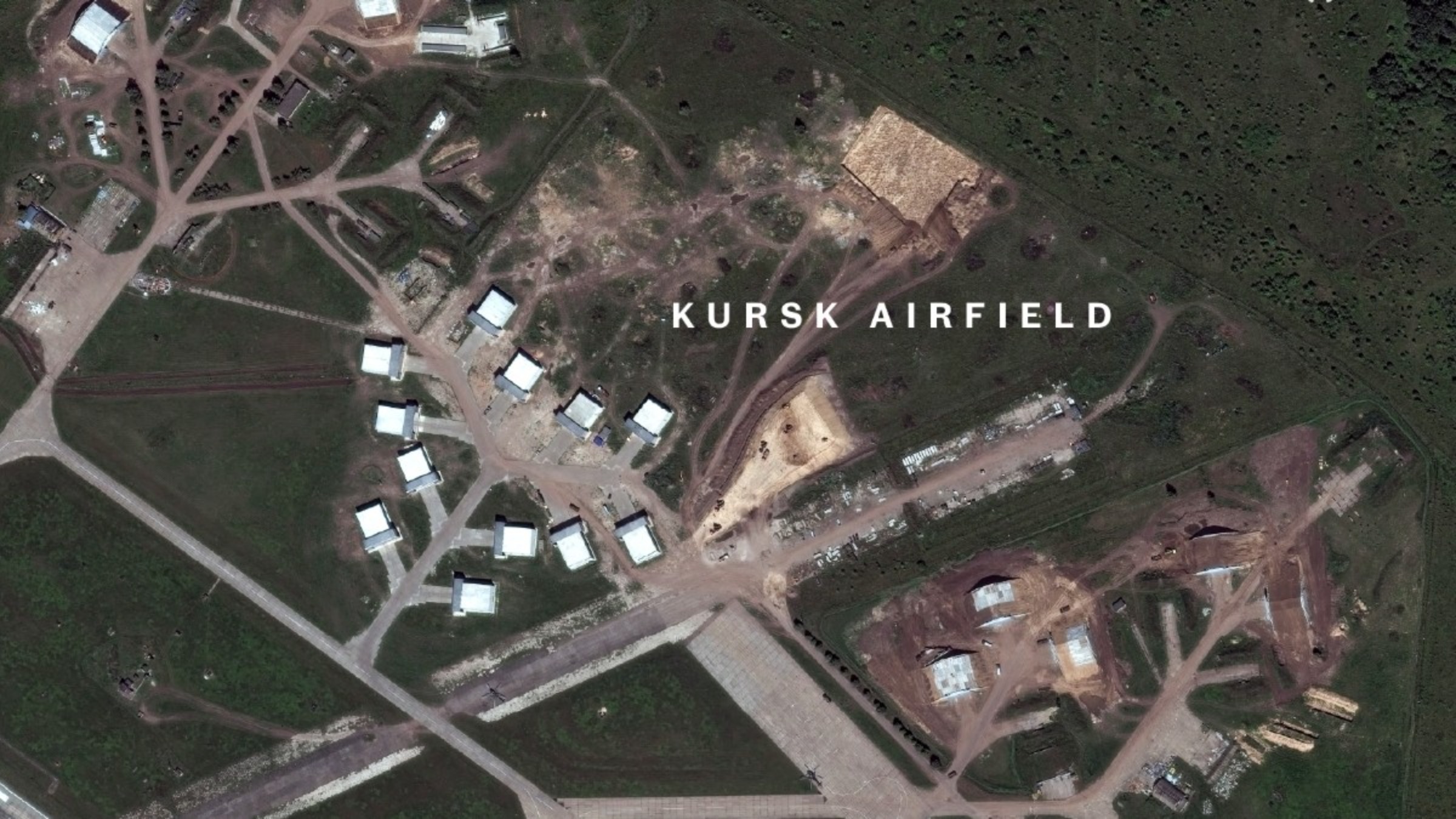
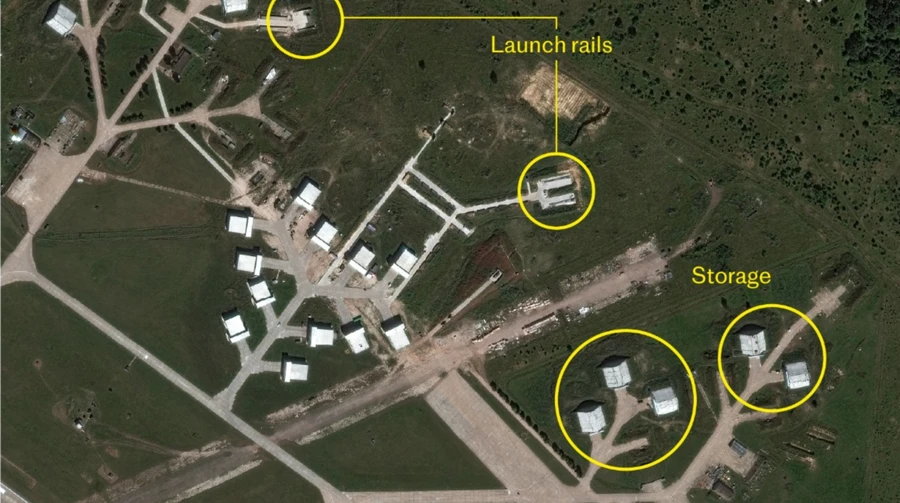
‘Kursk-Vostochny’ airfield, August 2025 and August 2026
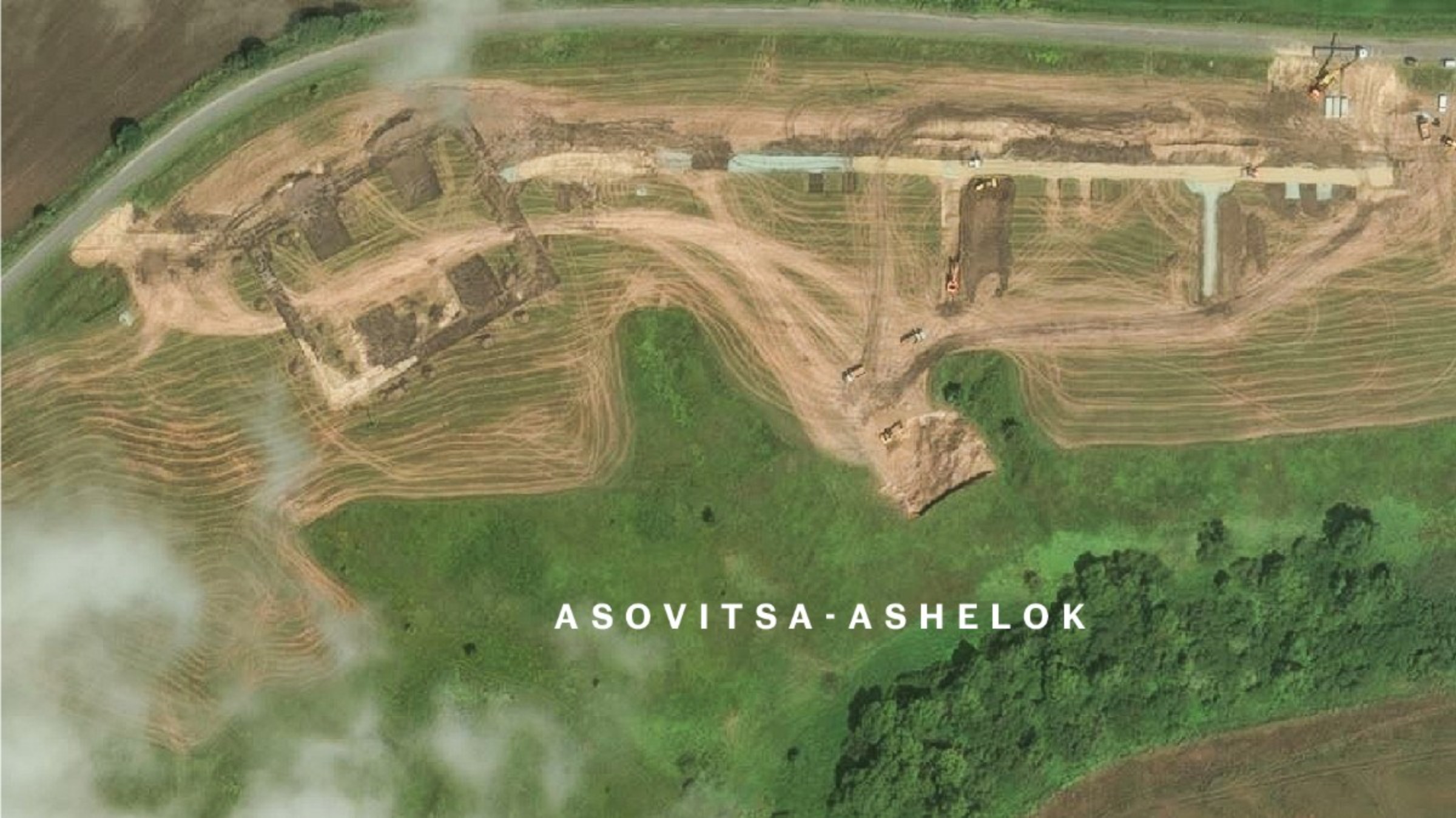
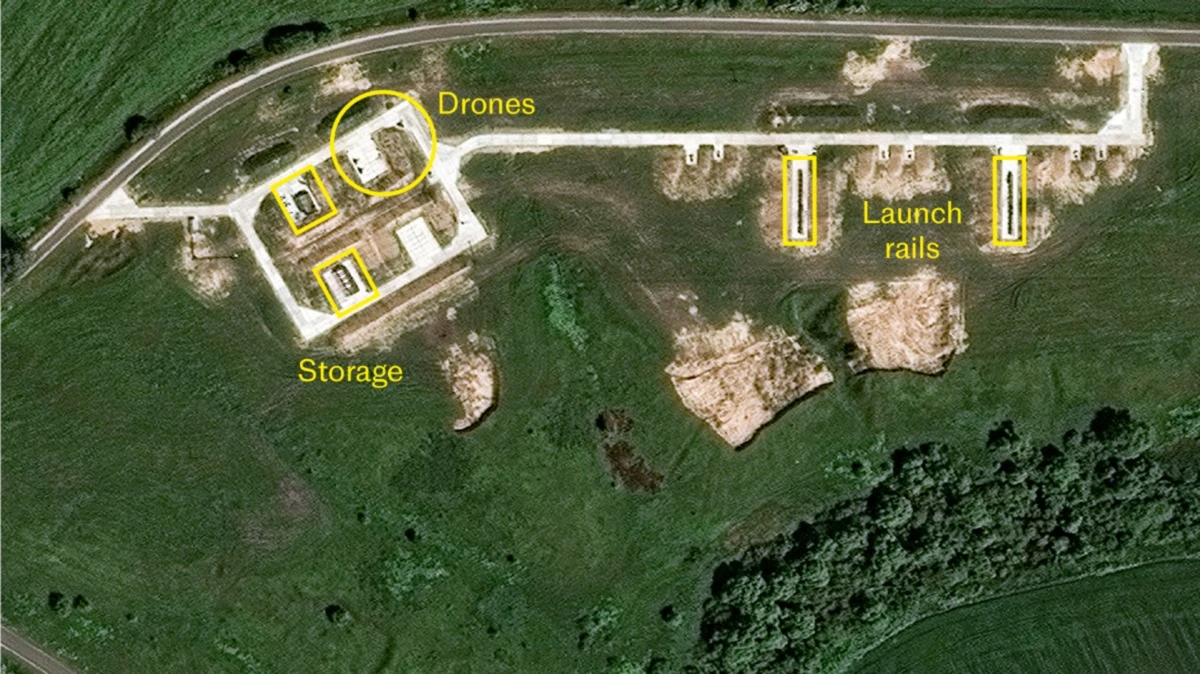
Asovitsa, August 2025 and August 2026
Satellite imagery from DroneSec shows that around 20 launch rails have an elongated design, enabling the launch of new variants of long-range UAVs.
The Telegraph notes that the deployment of this network of bases poses long-term challenges to the security of the North Atlantic Alliance.
Possible Russian sabotage
The location of certain facilities means that the latest Russian drones could potentially reach Warsaw, although there is currently no evidence of preparations for a direct attack on Poland. At the same time, Western intelligence agencies suggest the possibility of sabotage or false-flag operations against Poland’s critical infrastructure, aimed at discrediting Ukraine.
NATO, for its part, emphasises its full readiness to defend all Alliance territories and is actively strengthening its anti-drone defences.
According to the investigation, satellite surveillance has recorded a sharp increase in the number of the latest Russian UAVs. The size of just one of the sites alone allows for the deployment of over a thousand drones simultaneously.
At the same time, construction of new launch sites is continuing at key locations. In particular, the new variants of the ‘Geran-4’ and ‘Geran-5’ drones have high speeds enabling them to evade air defence systems and are capable of carrying a payload weighing up to 90 kg.
Threats to NATO
DroneSec founder Mike Monnick emphasises that such an expansion of the network is aimed not only at attacking Ukraine, but also at creating a constant threat to NATO member states.


