



Belgium is prepared to transfer Russian Federation’s frozen assets to Ukraine, provided there are joint EU guarantees
Belgium is prepared to consider using frozen Russian assets for the benefit of Ukraine, provided that all EU countries jointly assume the legal, financial and systemic risks associated with such a decision.
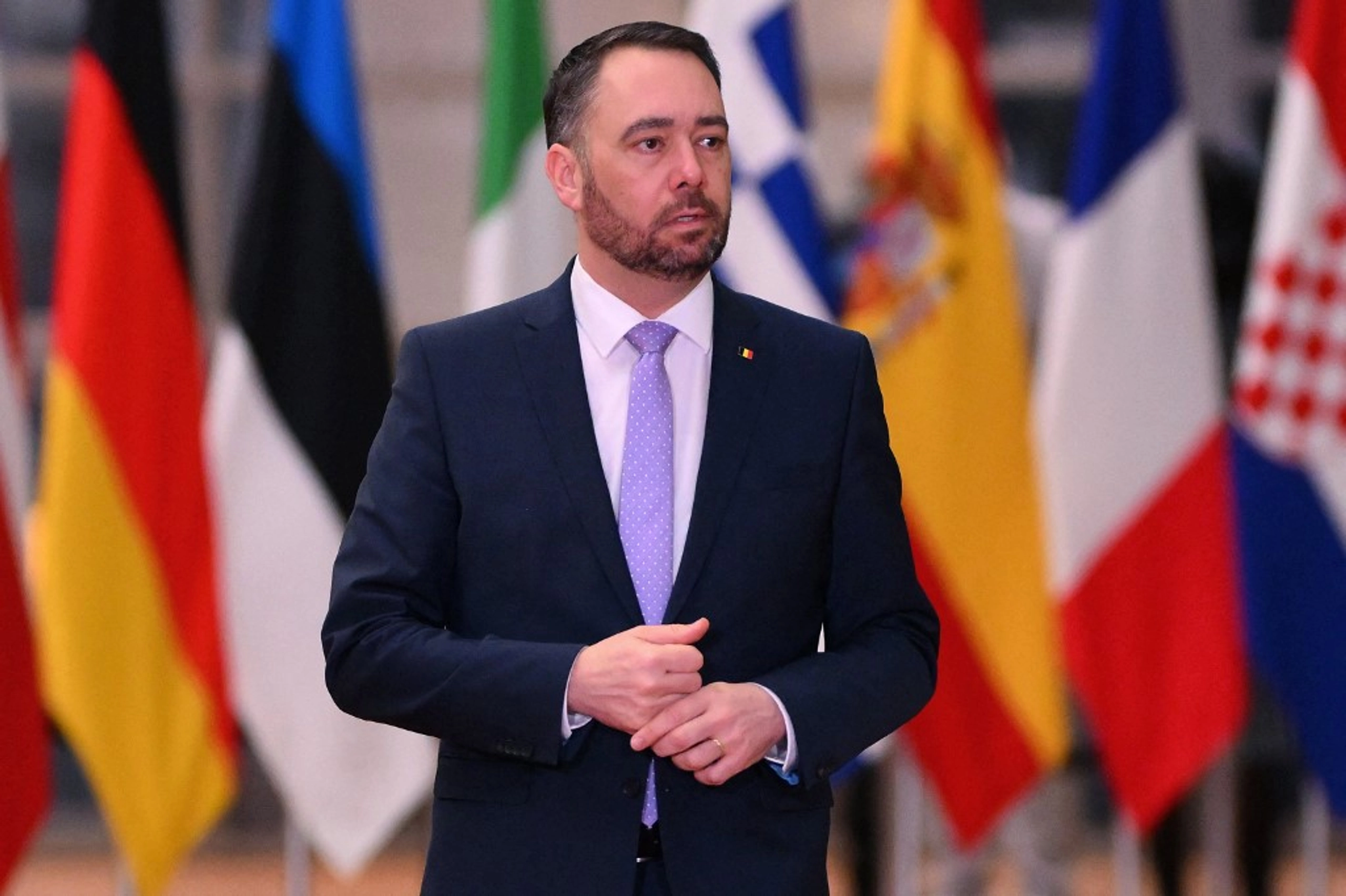
According to Censor.NET, citing Suspilne, this was stated by Maxime Prévot, Deputy Prime Minister and Minister for Foreign Affairs, European Affairs and Development Cooperation of Belgium, during his visit to Kyiv.
Belgium has not ruled out using frozen Russian assets for the benefit of Ukraine. At the same time, Brussels is insisting that the legal, financial and systemic risks associated with such a decision be shared by other European Union countries.
According to the government official, Belgium is not prepared to bear the risk of potential claims from Russia on its own. Specifically, this refers to a situation in which, in 10 to 15 years’ time, the country would have to return the frozen Russian funds.
Russian assets frozen in Europe
Around 210 billion euros of Russian sovereign assets have been frozen in Europe. A significant proportion of these funds is held in accounts with the Belgian depository Euroclear.
Prévot noted that, at the end of 2025, Belgium opposed the direct use of these assets to assist Ukraine. Brussels had insisted at the time on a mechanism that would allow potential risks to be shared amongst EU countries. However, it proved impossible to agree on such guarantees.
"Proportionally speaking, this is unacceptable for our budget. But this solidarity never materialised," said the Belgian minister.
Belgium’s position does not mean it is refusing to provide aid to Ukraine
At the same time, Prévot emphasised that Belgium’s position does not mean it is refusing to provide aid to Ukraine. Brussels has no fundamental objections to frozen Russian assets being used for the benefit of Ukraine in the future. He added that the issue may become relevant again after 2027 if the war continues.


