



Russian authorities cannot provide protection against drones - business in Russian Federation has increased purchases of anti-UAV means by 6.6 times, - FIS
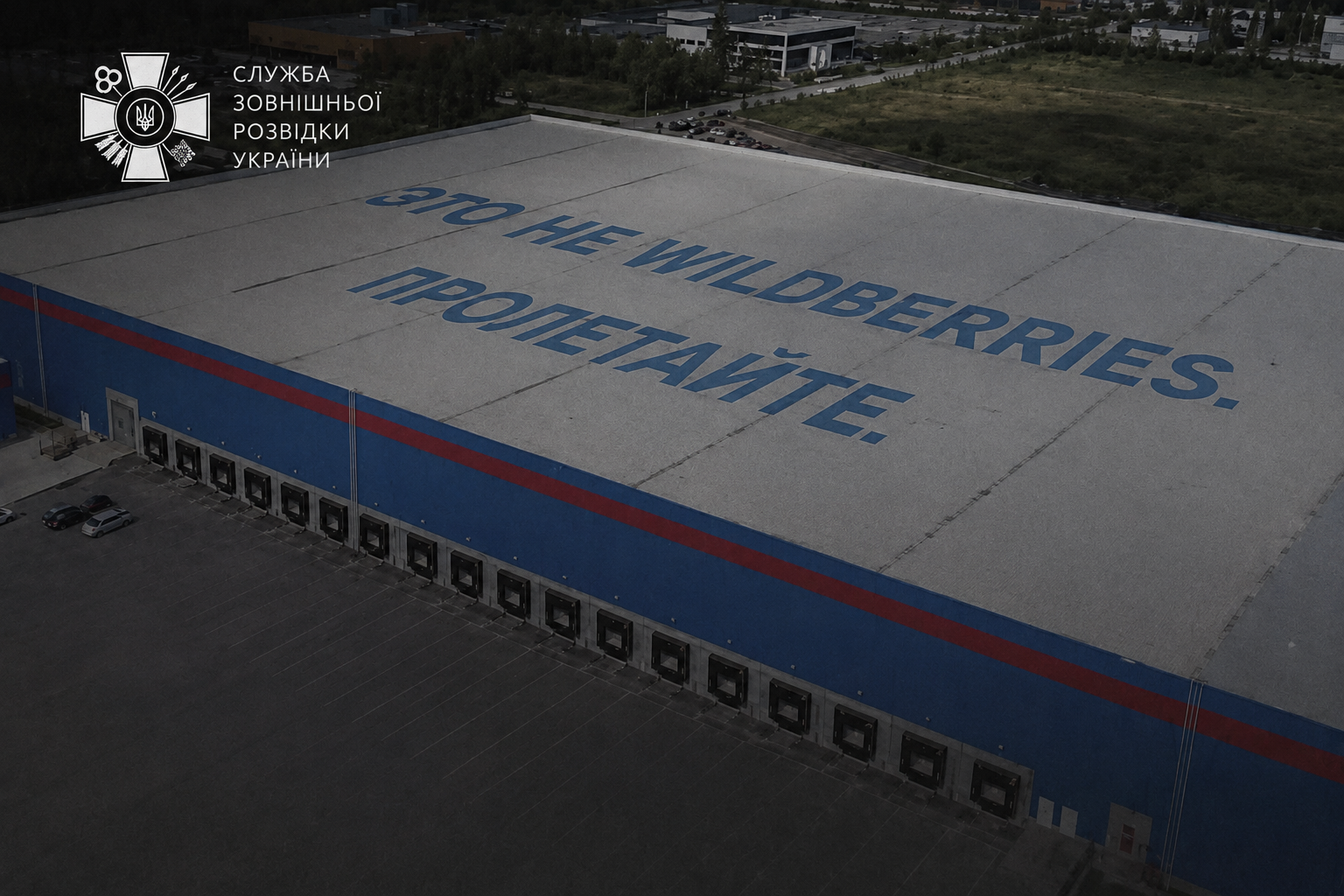
Russian companies are increasingly forced to defend their facilities against drone attacks on their own. In the first half of 2026 alone, the Russian commercial sector increased its purchases of countermeasures against UAVs by a factor of 6.6 compared to the same period last year.
According to Censor.NET, citing the Foreign Intelligence Service of Ukraine, the total cost of these purchases reached $5.32 million, or 441.3 million Russian rubles.
Companies are setting up their own mobile teams
The products in highest demand among Russian businesses are stationary and portable drone detectors and locators, early warning systems, and equipment for jamming control channels, data transmission, and satellite navigation.
Some large companies have gone a step further and are forming their own mobile response teams equipped with drone detection and suppression capabilities. According to the FIS, establishing just one such team costs 50–70 million rubles—approximately $600,000–$850,000.
At the same time, companies are trying to physically protect their facilities—they are erecting metal frames over buildings and installing mesh screens and canopies.
Companies in the fuel and energy sector and other industries, warehouse and logistics operators, marketplaces, and shipping companies are investing the most in anti-drone defenses.
The State Security Service of Ukraine says there is no centralized system
Despite a sharp rise in costs, most Russian companies—according to Ukrainian intelligence estimates—are not establishing a comprehensive, multi-layered defense system, but are instead purchasing individual detection or jamming devices.
The State Security Service of Ukraine (SSU) states that there are no uniform standards for data exchange and technical compatibility among such systems. This leads to false alarms, mutual radio interference between neighboring facilities, and the procurement of equipment that does not address actual threats.
"Every company is doing what it can to survive," the Foreign Intelligence Service noted.
Intelligence analysts believe that the sharp increase in private spending on anti-drone systems indicates the Russian government's inability to provide centralized protection for industrial and infrastructure facilities.


