



Zelenskyy on production of Storm Shadow and Frejya anti-ballistic system: Ukraine and its partners are drawing up roadmap
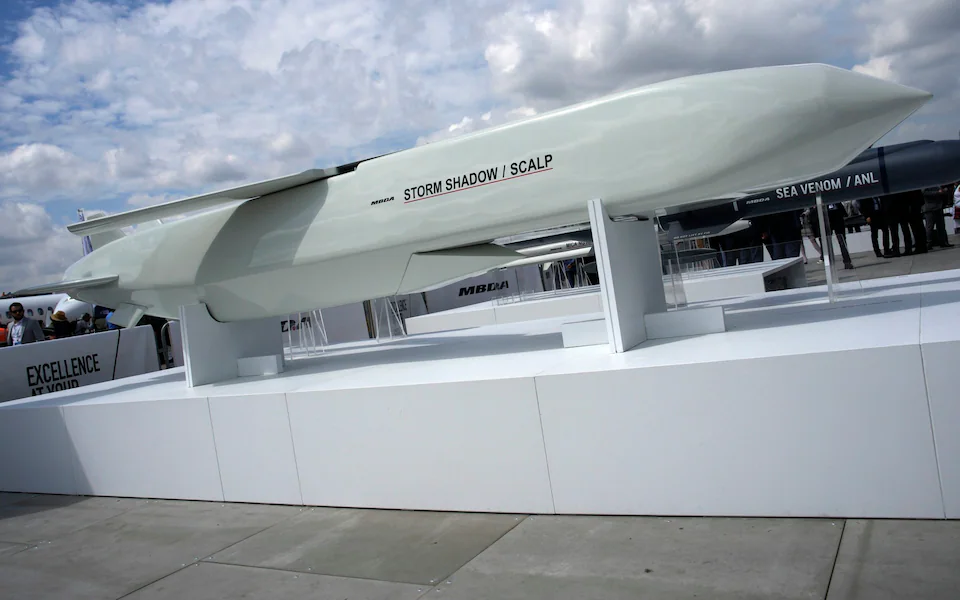
The go-ahead given to Ukraine to produce Storm Shadow missiles allows technical experts to move on to finalising a timetable for future cooperation.
This was announced by the President of Ukraine, Volodymyr Zelenskyy, at a press conference with the President of Estonia, Alar Karis, in Kyiv on Tuesday, according to Censor.NET, citing "Interfax-Ukraine".
"We have a positive outcome. I believe that this is a very positive outcome and a strong decision. We need to move forward whilst we can. Now, following this positive political decision, the technical teams will meet and present us with a timetable," said Zelenskyy.
Bureaucratic red tape
The Head of State expressed the hope that, following a positive response from the UK regarding Storm Shadow, "the matter will not get bogged down in our countries’ bureaucracy; we will take action".
Plans for meetings
Furthermore, according to the President, a schedule of meetings on the Frejya anti-ballistic missile project is due to be finalised in 7–10 days, during which the parties are to identify issues in their cooperation with specific companies and countries and ways to resolve them.
"In 7–10 days’ time, we’ll have a schedule for Frejya setting out when we’ll be meeting, where there are bottlenecks, which company is involved, and which country we’re having difficulties with. Because everyone is taking this very seriously. We’ll sort everything out," said Zelenskyy.
On 24 August, the Prime Minister of the United Kingdom, Andy Burnham, confirmed that he had approved the request to provide Ukraine with the technology to manufacture Storm Shadow cruise missiles.
Information
- The Storm Shadow missile is manufactured by the European defence company MBDA. According to information from the company, the SCALP (known in the UK as the Storm Shadow) is a long-range air-to-surface cruise missile designed for the high-precision engagement of stationary, well-protected targets, in particular fortified bunkers and key infrastructure facilities.
- The missile can be deployed day or night in all weather conditions. Its guidance system combines inertial navigation, GPS and terrain-following capabilities, and after launch, the missile flies at low altitude to avoid detection. As it approaches the target, the on-board infrared seeker compares the target’s image with a pre-loaded reference, ensuring high strike accuracy.


