



Drapatyi voiced his vision for development of Armed Forces of Ukraine: Stabilization of the front is priority goal
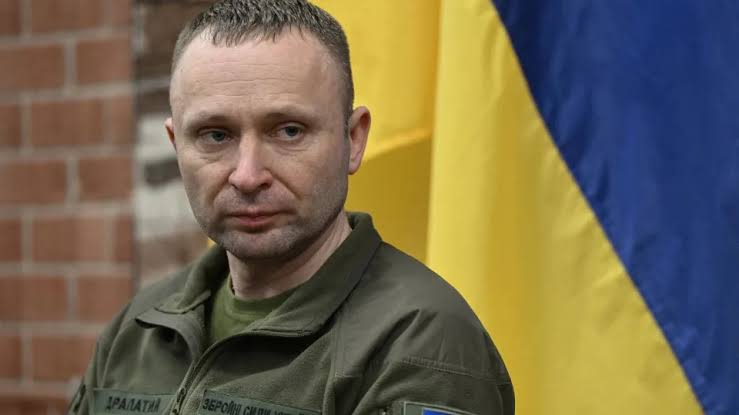
Commander-in-Chief of the Armed Forces of Ukraine Mykhailo Drapatyi shared his vision for the development of the AFU.
He wrote about this in a column for the Kyiv Independent, according to Censor.NET.
On the Purpose and Approach to Leadership
Drapaty noted that the Supreme Commander-in-Chief and the Minister of Defense had entrusted him with command of the Armed Forces, and he is assuming this responsibility, recognizing the need to both wage today’s war and prepare the army for the future: "Every decision made must strengthen the state’s defense capabilities right now."
The Commander-in-Chief emphasized that he would not direct every individual battle—instead, he would exercise command by setting objectives, delegating authority, and demanding accountability at every level.
Eight Priority Goals
Drapaty outlined eight key areas of his work:
- stabilization of the front — maintaining existing combat capabilities and integrating new ones to seize the initiative and better protect people and infrastructure;
- human capital management — reforming the system of recruitment, training, service, rotation, and discharge of military personnel to ensure adequate troop strength and public trust;
- unity of effort — the coordination of actions by all branches and types of military forces under a single plan, without giving priority to narrow structural interests;
- accelerating adaptation and innovation — implementing the lessons of war and new technologies faster than the enemy;
- Transformation of the Armed Forces — modernization of the command structure, doctrine, training, logistics, and digital capabilities in collaboration with the Ministry of Defense. "Building stronger Armed Forces is a vital necessity, not a task for the postwar period," Drapatiy emphasized;
- the implementation of "mission-oriented command" — delegating authority to subordinate commanders to increase the speed of operations;
- care for personnel and veterans — proper training, protection from unnecessary risk, support for families, and honoring the fallen;
- maintaining the trust of the public and our partners — through professional leadership, accountability, and responsible resource management.
Expectations of Commanders
ГThe Commander-in-Chief outlined a series of principles which, in his words, all leaders of the Armed Forces must adhere to, regardless of rank or position—to speak the truth and provide honest assessments, to act within the commander’s plan and take responsibility for decisions, to preserve the combat capabilities and personnel entrusted to them, to prepare the next generation of leaders, to share their experience, to work in concert with other branches of the military, and to uphold the highest standards of conduct.
Drapaty specifically emphasized that in the Armed Forces, "there is no place for corruption, abuse of power, harassment, discrimination, or injustice."
On the Role of Headquarters
Drapatiy paid particular attention to the role of headquarters, noting that they exist solely to support commanders on the front lines, and are meant to reduce bureaucracy and speed up decision-making. According to him, the standard for every headquarters is simple: to be smaller where possible, faster where necessary, and more effective with each passing day.
"We cannot choose between waging war today and preparing for a future war. To succeed, we must do both," writes the commander-in-chief.
Conclusion
In closing his column, the Commander-in-Chief emphasized that war is not without mistakes, but negligence and concealing the truth are unacceptable—every mistake must be honestly acknowledged and analyzed. He identified the ultimate goal as achieving a lasting and just peace and building Armed Forces such that, in the future, no aggressor would consider an attack on Ukraine an acceptable means of achieving its goals.


