



Russian provocations in Europe could lead to conflict with NATO, - NYT
Through its acts of sabotage and other hybrid attacks in Europe, Russia risks provoking a direct confrontation with NATO.
According to Censor.NET, The New York Times reports on this.
According to the publication, the failed attack by Russian drones on an airport in Germany was part of a broader and dangerous trend.
Drones Attacked Airplanes in Germany
According to German officials, during the incident, one drone crashed into a parked Ukrainian cargo plane, while another collided with an aircraft that was taking off. Neither drone exploded.
German Interior Minister Alexander Dobrindt stated that there is evidence of Russian government agencies' involvement in the saboteurs' actions.
A wave of sabotage is sweeping across Europe
The incident in Germany was one of a series of cases linked to Russian hybrid activities in Europe.
Among them are an investigation into possible acts of sabotage at a defense plant in Munich, a fire at a drone manufacturing plant in Poland, threats to bomb DHL aircraft, and arson attacks on warehouses.
In addition, the Danish intelligence service PET reported that Russian citizens were being actively recruited to carry out attacks on Denmark's defense industry.
Experts warn of the risk of escalation
Experts attribute the increase in hybrid attacks to Russia’s lack of significant success on the battlefield in Ukraine, heavy losses suffered by the Russian army, and Ukraine’s strikes on Russian oil refining infrastructure and warehouses.
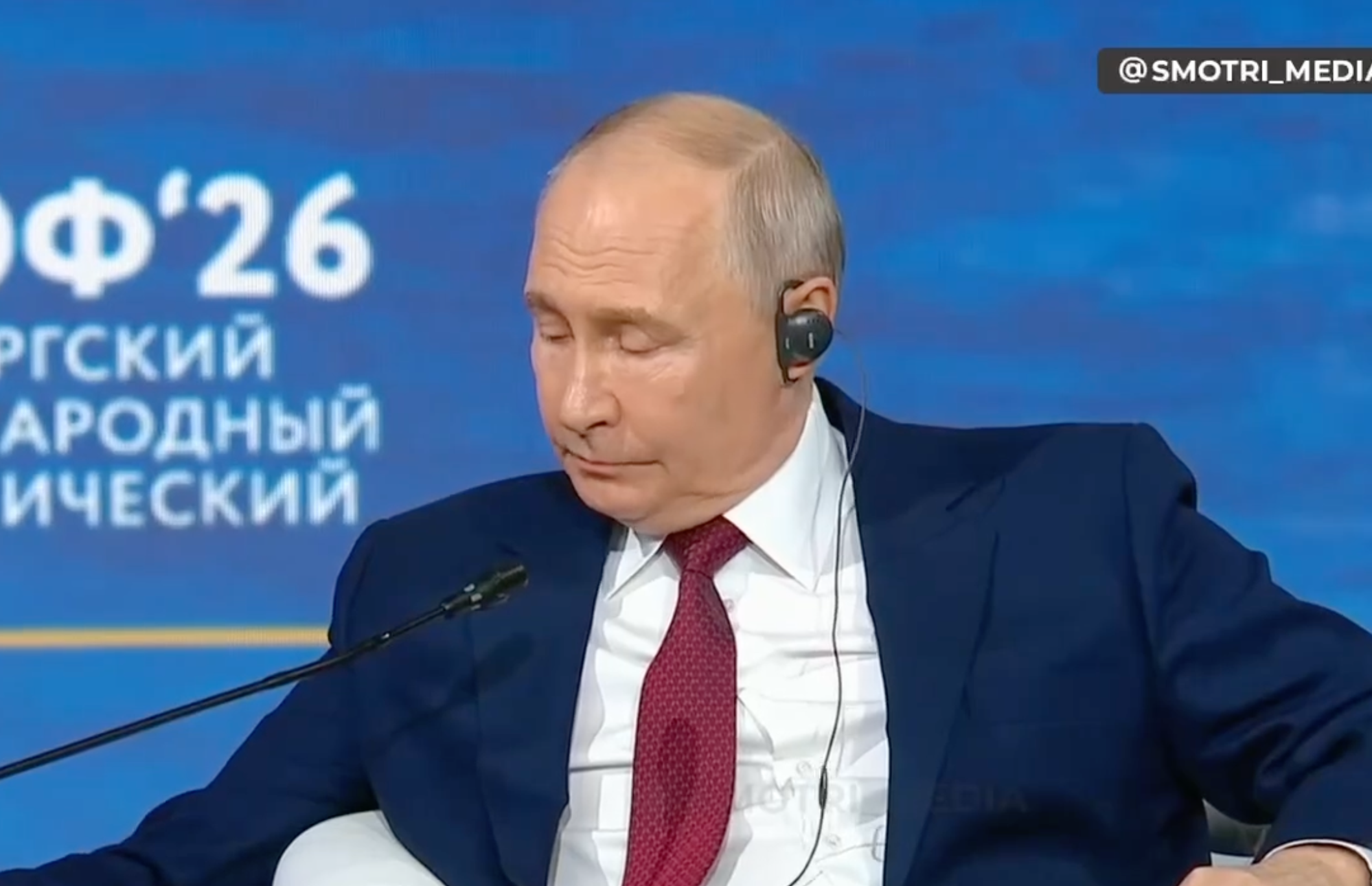
Vladimir Putin publicly denies allegations that Russia was involved in the sabotage, while threatening the West with a "blow to the teeth."
NATO Faces New Challenges
The increase in the number of sabotage attacks poses additional challenges for NATO. At this time, Russia’s actions have not provided grounds for the direct invocation of Article 5 of the North Atlantic Treaty on collective defense.
At the same time, former U.S. Ambassador to NATO Julianne Smith and former Director of Poland’s Foreign Intelligence Service Piotr Kravczyk warn that further escalation of these acts of sabotage could sooner or later lead to casualties and a serious crisis within the Alliance.
Germany is preparing a response
In light of Russian activities, Germany has restricted the operations of Russian diplomatic missions and is considering a bill that, for the first time in the country’s postwar history, would allow intelligence agencies to carry out active countermeasures, including cyberattacks and sabotage.
European Commission President Ursula von der Leyen called on European countries to prepare for the faster implementation of security measures under the "new normal."
At the same time, maintaining unity among the 32 NATO countries remains an additional challenge amid mixed statements from representatives of the Donald Trump administration regarding the Kremlin’s actions.


