



US has warned allies of missile delivery delays of up to five years, - Bloomberg
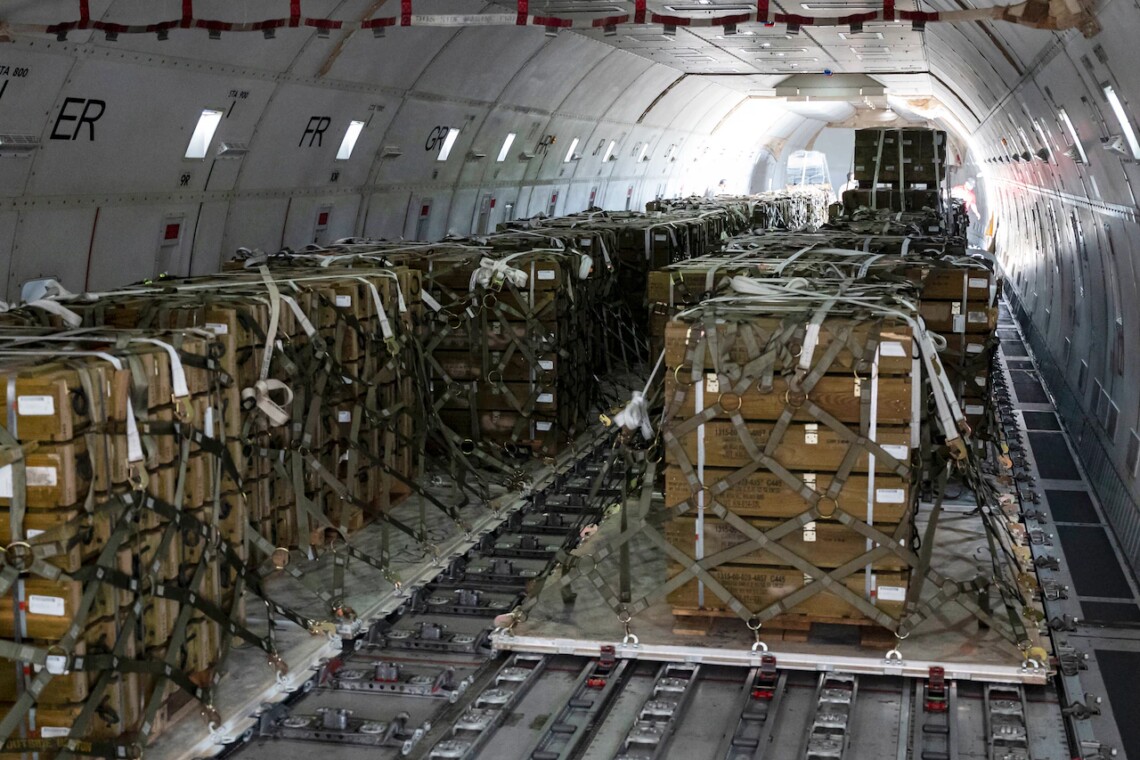
The U.S. has warned its allies that deliveries of certain key types of weapons could be delayed by up to five years. The reasons cited are a shortage of missiles and the need to replenish U.S. stockpiles following the extensive use of ammunition during the war with Iran.
According to Censor.NET, Bloomberg reports this.
According to the publication, several European countries have already faced the possibility of delays in the delivery of missile systems and air defense equipment.
In particular, Germany has appealed to Washington to expedite the delivery of long-range Tomahawk cruise missiles and Typhon ground-based launchers.
At the same time, U.S. officials stated that, due to depleted stockpiles, the fulfillment of some orders could be delayed for years.
According to Bloomberg, Eastern European countries that rely on U.S. weapons systems may also face delays.
Delays could affect the delivery of Patriot systems to Ukraine
The situation regarding U.S. missile stockpiles directly affects Ukraine, which is appealing to the United States for additional interceptor missiles for its Patriot systems.
The United States' need to replenish its own stockpiles first and foremost may make it difficult to rapidly increase supplies of such ammunition to Ukraine.
The issue of strengthening Ukraine's air defense is expected to be discussed during meetings between European leaders and U.S. President Donald Trump in New York next week.
Trump had previously suggested the possibility of providing Ukraine with an older version of the Patriot system or having European countries manufacture these systems under U.S. licenses.
The U.S. is trying to replenish its weapons stockpiles
It is estimated that during the war with Iran, the United States used a significant portion of its stockpile of modern Patriot interceptor missiles, as well as part of its stockpile of Tomahawk missiles and THAAD systems.
Bloomberg previously reported that the shortage of missile defense interceptors has become one of the key constraints for the U.S. and its allies. Washington has signed agreements aimed at increasing production, specifically of the PAC-3, THAAD, SM-6, and SM-3.
The U.S. defense industry is also ramping up production of missile components. In particular, Lockheed Martin plans to significantly increase production of PAC-3 MSE interceptors. Bloomberg reported that the U.S. defense industry is working to ramp up PAC-3 production to about 2,000 units per year, up from approximately 620 in 2025.
At the same time, the exact timeline for replenishing U.S. stockpiles and fulfilling specific orders from allies depends on the Pentagon’s production capabilities and priorities.


