



Russia effectively destroyed oil and gas complex facility in Poltava region with strike involving five ballistic missiles, - Naftogaz
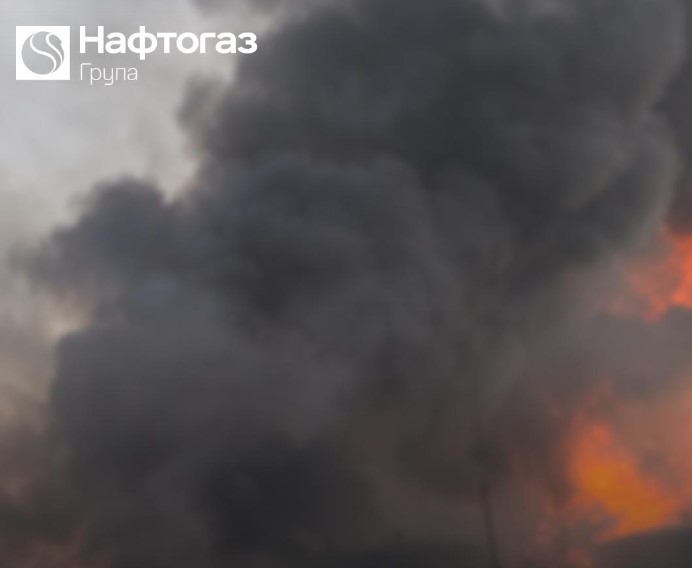
On the night of 22 September, Russian forces launched an attack using at least five ballistic missiles on an oil and gas facility in the Poltava region. The facility had been out of operation for some time due to previous Russian attacks.
According to Censor.NET, this was reported by "Naftogaz of Ukraine".
According to the company, the Russian missiles struck processing facilities whose equipment had already been put out of action as a result of previous strikes.
"Since 2022, this facility has been subjected to dozens of Russian attacks, both by drones and missiles, and its equipment has long been rendered inoperable," the statement reads.
The company emphasised that the current damage effectively makes it impossible for the facility to be restored and to continue operating.
What led up to this?
During the night of 22 September, Russian invaders launched wave after wave of attacks on the Poltava region. Explosions were heard in two districts of the region.
The head of the Regional Military Administration, Vitalii Diakivnych, reported that an industrial enterprise and a critical infrastructure facility had been attacked in the Kremenchuk district. In the Poltava district, an enemy UAV crashed onto the premises of a private agricultural enterprise.
Attacks on ‘Naftogaz’ facilities
Throughout 2026, Russian forces regularly carried out strikes on facilities belonging to the Naftogaz Group in various regions of Ukraine. Gas production facilities, production infrastructure, petrol stations and other energy facilities were targeted.
In particular, in May, facilities in the Poltava and Kharkiv regions came under heavy attack; in March, assets in the Poltava and Sumy regions were targeted; and in June and July, the Russians again attacked oil and gas facilities in the Poltava and Kharkiv regions.
The attacks led to the destruction of production facilities, fires, equipment shutdowns and losses in gas production.


