ENG




11109 visitors online
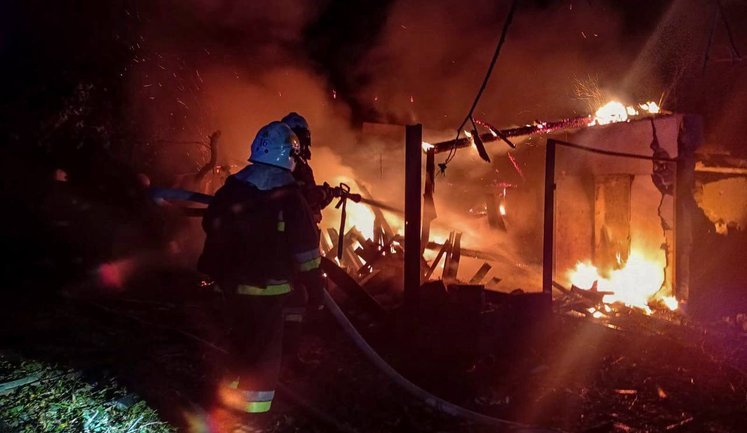
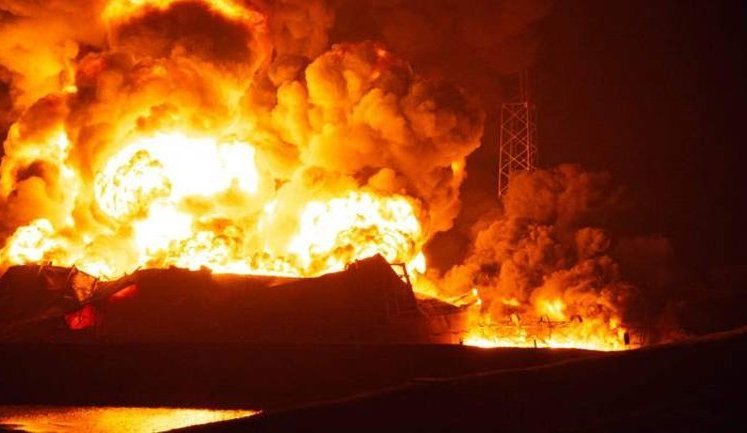
In recent developments, Russian military forces have intensified their assault on Ukraine's critical gas and energy infrastructure. A recent attack in the Sumy region damaged a gas pipeline in Velyka Pysarivka, leaving several customers without gas supply. The city of Konotop also suffered infrastructure damage following similar attacks. Meanwhile, Naftogaz Group facilities in the Poltava region have faced consistent bombardment, resulting in operational halts and even casualties among the workforce. These orchestrated assaults aim to destabilize Ukraine's energy supply as winter approaches. Experts warn of potential gas shortages and increased tariffs, affecting citizens' daily lives and economic stability. The EU has called for strengthened energy support to help Ukraine navigate through these unprecedented challenges.
What regions in Ukraine have been affected by the shelling of gas infrastructure?
The shelling has affected various regions including Sumy, Poltava, Kharkiv, Chernihiv, and southern Ukraine. In Sumy, gas supplies were disrupted in Velyka Pysarivka and Konotop. Poltava's Naftogaz facilities have seen repeated attacks. Similar incidents have been reported in the Kharkiv, Chernihiv, and southern regions, causing widespread damage to energy and gas infrastructure.
How has the shelling affected Naftogaz operations in Ukraine?
Naftogaz operations have been severely impacted, with facilities in Poltava, Sumy, and Kharkiv coming under persistent attack. These assaults have led to halts in gas production, critical damage to infrastructure, and even worker casualties. The repeated targeting of these facilities jeopardizes Ukraine's energy stability, especially as winter nears.
What are the potential consequences for Ukraine's energy supply due to these attacks?
The ongoing attacks threaten Ukraine's energy supply, potentially leading to gas shortages and increased energy tariffs. The damage to production and transport facilities forces Ukraine to consider importing additional gas, which may stress the economy further. These vulnerabilities emphasize the need for energy support from international partners.
What measures are being taken to address the damage from the shelling?
Ukrainian authorities, along with international partners, are working to repair the damaged infrastructure and ensure a stable energy supply. The Ministry of Energy has highlighted the diligent work of energy workers in restoring services. Additionally, political pressure is being put on the international community to provide aid and support for reconstructive efforts.
How is the international community responding to the attacks on Ukraine’s infrastructure?
The international community, including the European Union and individual countries, has expressed concern over Russia's actions. Calls for increased support for Ukraine's energy sector have been made. The EU Ambassador emphasized preparedness for energy distribution, while other nations discuss possible sanctions and humanitarian assistance to cope with the crisis.
What challenges does Ukraine face regarding its gas import strategy?
Ukraine faces significant challenges in adjusting its gas import strategy due to ongoing infrastructure attacks. Considering increased reliance on imported gas could hike tariffs, burdening consumers. Ukraine is also navigating diplomatic channels to secure stable and cost-effective gas supplies amidst geopolitical tensions.
Why are Russian forces targeting Ukraine's energy and gas infrastructure?
Russian strategy appears to be aimed at destabilizing Ukraine by crippling its energy and gas supply chains. Such attacks aim to undermine economic stability and morale, particularly ahead of the cold winter months. By targeting crucial supply lines, Russia increases psychological and humanitarian pressure on the Ukrainian population.
What is Ukraine's response to mitigate the attack's effects on civilians?
Ukraine is actively working to mitigate the effects through fast-tracking repairs, securing alternative energy sources, and seeking international aid. Efforts to strengthen infrastructure resilience and maintain energy supplies during critical winter months are prioritized to protect civilians from the fallout of these strategic assaults.
How does the targeting of energy infrastructure impact Ukraine's economy?
Targeting energy infrastructure has a profound impact on Ukraine's economy by increasing energy costs and straining budgeting frameworks. The disruption in energy supply leads to operational challenges across industrial sectors, hindering productivity and economic growth. It also prompts inflationary pressures affecting both businesses and households.
w117_header_alt Shelling of energy and gas infrastructure
 Russia carries out 4 strikes on Zaporizhzhia energy facilities: 42,000 customers lost power Over the past day, Russian occupation forces carried out four strikes on Zaporizhzhiaoblenergo energy facilities in Zaporizhzhia and the Zaporizhzhia district. 428 0 Previously in trend: Shelling of the Zaporizhzhia region Shelling of energy and gas infrastructure
 Russia effectively destroyed oil and gas complex facility in Poltava region with strike involving five ballistic missiles, - Naftogaz On the night of 22 September, Russian forces launched an attack using at least five ballistic missiles on an oil and gas facility in the Poltava region. The facility had been out of operation for some time due to previous Russian attacks. 8 822 33 Previously in trend: Shelling of energy and gas infrastructure
 Numerous hits and fires: Russia attacks Naftogaz production assets On the night of 3 September, several production facilities belonging to Ukrnafta came under attack. 1 715 4 Previously in trend: Shelling of energy and gas infrastructure
 SSU and Prosecutor General’s Office serve notices of suspicion on two Russian commanders over shelling of Prydniprovska TPP The Security Service of Ukraine and the Office of the Prosecutor General have gathered evidence against two Russian commanders suspected of involvement in the missile strike on the Prydniprovsk Thermal Power Plant in October 2022. 689 0 Previously in trend: Shelling of energy and gas infrastructure
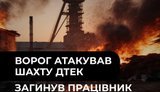 Russia attacked DTEK mine in Dnipropetrovsk region; one worker was killed and another was wounded On August 17, Russian drones attacked one of DTEK’s mines in the Dnipropetrovsk region. As a result of the strike, one company employee was killed, another man was injured, and the mine’s infrastructure sustained significant damage. 709 2 Previously in trend: Shelling of energy and gas infrastructure
 Enemy attacks energy infrastructure in Poltava region: gas production facility halted Today, August 11, Russian troops attacked the energy infrastructure of DTEK Naftogaz. As a result of the attack, the operation of the gas production facility was halted. 932 3 Previously in trend: Shelling of energy and gas infrastructure
 Russians launch massive attack on Ukrnafta facilities: 7 sites damaged – Naftogaz Russian forces launched a massive attack on facilities belonging to Ukrnafta, which is part of the Naftogaz Group. 2 039 6 Previously in trend: Shelling of energy and gas infrastructure
 Occupiers carry out large-scale attacks on Naftogaz assets in three regions throughout day: fires break out, significant destruction reported Since this morning and throughout almost the entire day, Russia has been carrying out large-scale attacks on Naftogaz Group’s production assets in the Kharkiv, Poltava and Sumy regions. It is using various types of drones, including jet-powered ones. 1 128 6 Previously in trend: Shelling of energy and gas infrastructure
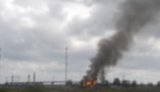 Ruscists have been striking Naftogaz gas production facilities in Kharkiv region since morning: employee injured Russian occupiers have been massively attacking Naftogaz gas production facilities in the Kharkiv region since the morning. 653 0 Previously in trend: Shelling of energy and gas infrastructure
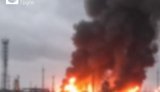 For second day running, Russians have been attacking Naftogaz’s production facilities in three regions: large-scale fires are raging and there is significant damage For the second day running, the "Naftogaz" Group’s production facilities have come under attack; the shelling is still ongoing. 3 917 12 Previously in trend: Shelling of energy and gas infrastructure
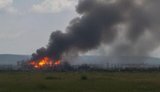 Russians have attacked Naftogaz facilities in four regions: female employee has been seriously injured, and operations at some of assets have been suspended The enemy attacked Ukrnafta’s petrol stations and the production assets of the Naftogaz Group in several regions, resulting in some of them being shut down and one person being injured. 631 0 Previously in trend: Shelling of energy and gas infrastructure
 Some regions of Ukraine have lost power due to shelling of energy companies, energy worker in Sumy region was injured - Ministry of Energy As a result of hostilities and shelling of energy infrastructure, some consumers in the Dnipropetrovsk, Zaporizhzhia, Sumy, Kharkiv, Kherson, and Chernihiv regions have been temporarily left without power. 549 3 Previously in trend: Attacks on the energy sector Shelling of energy and gas infrastructure
Russia attacked "Naftogaz" facilities in Kharkiv and Sumy regions: significant damage has been reported Over the past 24 hours, Russian troops have attacked facilities belonging to the "Naftogaz" Group in the Kharkiv and Sumy regions, resulting in fires. 688 0 Previously in trend: Shelling of energy and gas infrastructure
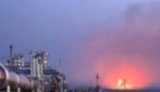 Russians are launching massive attack on Naftogaz facilities in Kharkiv and Poltava regions: there are large-scale fires and equipment has been damaged For more than a day, Russian troops have been launching massive attacks on oil and gas facilities belonging to the Naftogaz Group in the Kharkiv and Poltava regions. 1 788 7 Previously in trend: Shelling of energy and gas infrastructure
 Russia attacks Ukraine’s energy infrastructure for fourth day in row – Naftogaz On the night of 20 May, Russian forces attacked Naftogaz Group’s oil and gas infrastructure facilities in the Chernihiv region with missiles. 2 009 7 Previously in trend: Shelling of energy and gas infrastructure
 Russia attacks critical infrastructure facility in Zhovkva, Lviv region: city left without power On May 13, the city of Zhovkva in the Lviv region was left without power after an enemy strike on a critical infrastructure facility. 1 867 8 Previously in trend: Shelling of energy and gas infrastructure UAV attack on Lviv region Massive combined attack
 Russia has abandoned the ceasefire and intensified its attacks on Ukraine, – Zelenskyy. PHOTOS Overnight, Russia launched more than 200 attack drones and carried out air strikes on several regions of Ukraine. There have been casualties, and infrastructure and residential buildings have been damaged. 1 041 13 Previously in trend: Shelling of energy and gas infrastructure Shelling of Ukrzaliznytsia facilities KAB shellings
 Since start of full-scale invasion, Russia has carried out 596 strikes on Ukraine’s energy infrastructure, - SSU During the full-scale war, Russia carried out 596 strikes on Ukraine’s energy infrastructure. 424 2 Previously in trend: Attacks on the energy sector Shelling of energy and gas infrastructure
 Three Naftogaz employees were killed as result of Russian strikes on Kharkiv and Poltava regions Three Naftogaz employees were killed as a result of the Russian attack on the Poltava and Kharkiv regions. 1 828 6 Previously in trend: Shelling of energy and gas infrastructure
 Russians attack five Naftogaz facilities in Sumy and Kharkiv oblasts over past day Over the past day, Russian troops attacked five infrastructure facilities of Naftogaz Group in Sumy and Kharkiv oblasts. 541 2 Previously in trend: Shelling of energy and gas infrastructure
 Russia has been attacking Naftogaz facilities for second day: gas pipeline has been damaged in Zaporizhzhia region, and employee has been injured in Dnipropetrovsk region Russian troops have been attacking critical infrastructure belonging to the Naftogaz Group for the past two days, particularly in the Kharkiv, Zaporizhzhia, and Dnipropetrovsk regions. 685 3 Previously in trend: Shelling of energy and gas infrastructure
 Shelling of energy sector: some consumers in several regions are without electricity, - Ministry of Energy Due to attacks on power facilities, some consumers in several regions are without power. Utility workers are working to restore service. 778 0 Previously in trend: Attacks on the energy sector Shelling of energy and gas infrastructure
 Russia has been targeting Naftogaz’s infrastructure for second day: facilities in Poltava and Sumy regions have come under attack For the second day in a row, Russian troops have been deliberately targeting the oil and gas infrastructure of the Naftogaz Group. This time, facilities in the Poltava and Sumy regions came under attack. 1 507 4 Previously in trend: Shelling of energy and gas infrastructure
 Attack on Naftogaz: Russian drones have struck targets in Poltava region once again In the Poltava region, Russian drones attacked Naftogaz Ukraine's infrastructure. A fire broke out, but there were no casualties. 1 487 4 Previously in trend: Shelling of energy and gas infrastructure
 Part of Sumy region left without gas after Russian shelling A gas pipeline was damaged in Velyka Pysarivka in the Sumy region as a result of a Russian attack, leaving some customers without a gas supply. 898 0 Previously in trend: Shelling of Sumy region Shelling of energy and gas infrastructure
 Part of city of Konotop was left without gas following shelling by Russia In the city of Konotop, Sumy Oblast, infrastructure has been damaged following an explosion caused by Russian shelling. 749 1 Previously in trend: Shelling of energy and gas infrastructure
 For third day running, the enemy has been attacking Naftogaz facilities in Poltava region: one employee has been killed For the third consecutive day, Russian troops have been carrying out massive attacks on the Naftogaz Group's gas production facilities in the Poltava region. 1 244 2 Previously in trend: Shelling of energy and gas infrastructure
 Russia attacks Naftogaz facilities in Poltava and Sumy regions: damage reported, equipment operations halted On the night of 20 March, Russian forces attacked the oil and gas facilities of Naftogaz Group. Drone strikes hit several assets in Poltava and Sumy regions. 1 524 2 Previously in trend: Shelling of energy and gas infrastructure
 Russia has been attacking oil transport infrastructure in southern Ukraine for two days: pumping station damaged, — Naftogaz For two days in a row, Russian troops have been attacking the oil transportation infrastructure of the Naftogaz Group in southern Ukraine with drones. 859 1 Previously in trend: Shelling of energy and gas infrastructure
 Russia has been massively attacking Naftogaz gas production facilities in Poltava region for two days: number of critical facilities have been shut down For the second day in a row, Russia has been launching massive attacks on gas production facilities belonging to the Naftogaz Group in the Poltava region using drones. 2 998 6 Previously in trend: Shelling of energy and gas infrastructure
 Russia attacked Naftogaz’s gas production facility in Kharkiv region overnight: depressurisation occurred On the night of February 28, Russian troops shelled a gas production facility belonging to the Naftogaz Group in the Kharkiv region. 2 083 4 Previously in trend: Shelling of energy and gas infrastructure
 Russia has been attacking "Naftogaz" facilities in Kharkiv and Chernihiv regions for two days: there is destruction, about 60 drones have been used Russia has been deliberately attacking "Naftogaz" Group facilities for two days, causing destruction. 820 2 Previously in trend: Shelling of energy and gas infrastructure
 Ministry of Energy showed titanic work of energy workers who are gradually restoring light and heat to homes. VIDEO The Ministry of Energy of Ukraine has shown footage of the titanic work of Ukrainian energy workers amid widespread destruction caused by enemy attacks on the energy sector. 2 093 12 Previously in trend: Attacks on the energy sector Shelling of energy and gas infrastructure
 "Get up in morning and roar": IMF chief calls on Ukraine to scrap electricity subsidies Ukraine needs to accelerate structural reforms, abandon energy subsidies, and distribute the tax burden more fairly in order to ensure sustainable economic growth. 14 343 89 Previously in trend: Attacks on the energy sector Shelling of energy and gas infrastructure
 Klytschko: About 100 apartment buildings in Kyiv still without heating As of midday January 16, about 100 apartment buildings in Kyiv remain without heating out of more than 6,000 where heat supply was absent after Russia’s massive attack on January 9. 868 0 Previously in trend: Attacks on the energy sector Shelling of energy and gas infrastructure
 Russia’s attacks on Ukraine’s energy sector are classified as crimes against humanity, - SSU. VIDEO The necessary evidence has been gathered to confirm that Russian attacks on the energy sector are part of the Kremlin's consistent policy aimed at destroying the Ukrainian people and constitute crimes against humanity. 1 266 10 Previously in trend: Attacks on the energy sector Shelling of energy and gas infrastructure
 No restrictions on gas consumption are being applied or planned in Ukraine, - Naftogaz Naftogaz has denied false information circulating on Telegram channels about the alleged introduction of gas supply restriction schedules in the Khmelnytskyi region. 757 2 Previously in trend: Shelling of energy and gas infrastructure
 Wadephul, Witkoff and Fidan discuss war in Ukraine: attacks on energy infrastructure must stop immediately On November 20, German Foreign Minister Johann Wadephul held phone talks with U.S. special envoy Steve Witkoff and his Turkish counterpart Hakan Fidan, during which they discussed the situation in Ukraine. 2 728 19 Previously in trend: Attacks on the energy sector Shelling of energy and gas infrastructure
 EU Ambassador Mathernova: Ukrainian communities must be fully prepared for unpredictable Ukraine should enhance incentives for energy production and distribution among local communities and ensure they are ready for various situations. Ambassador of the European Union to Ukraine Katarina Mathernova made these remarks during the extraordinary session of the Kyiv Security Forum (KSF)... 84 0 Previously in trend: Shelling of energy and gas infrastructure
 Russian drones and missiles hit critical infrastructure in Kirovohrad region (updated) Russia has carried out another massive attack on critical infrastructure in the Kirovohrad region. 3 327 2 Previously in trend: Shelling of energy and gas infrastructure
 Russia is increasing attacks on locomotive depots, - Kuleba Russian troops have once again attacked critical infrastructure—energy facilities, railways, and civilian targets. There are casualties and injuries, trains are delayed, and restoration work is ongoing. 1 899 14 Previously in trend: Shelling of energy and gas infrastructure Shelling of Ukrzaliznytsia facilities Massive combined attack
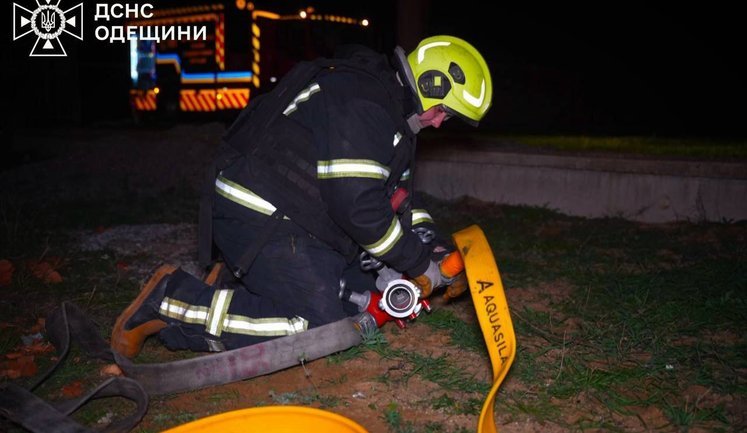
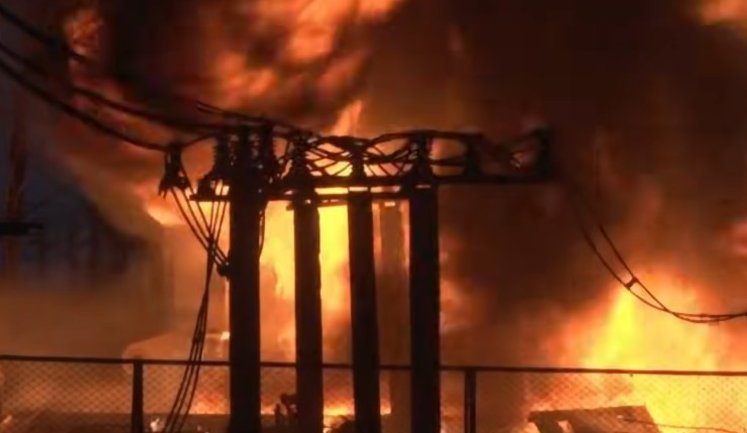
 Russia attacked Odesa region with strike drones: fire at energy facility, no casualties. PHOTOS Last night, Russian strike drones attacked the Odesa region, causing a fire at a critical energy infrastructure facility. 893 0 Previously in trend: Attacks on the energy sector Shelling of energy and gas infrastructure
 Strikes on energy facilities in Poltava region: one person injured (updated). PHOTOS Last night, the enemy launched a massive attack on energy infrastructure facilities in the Poltava region. 2 968 2 Previously in trend: Attacks on the energy sector Russian attack on Poltava region Shelling of energy and gas infrastructure
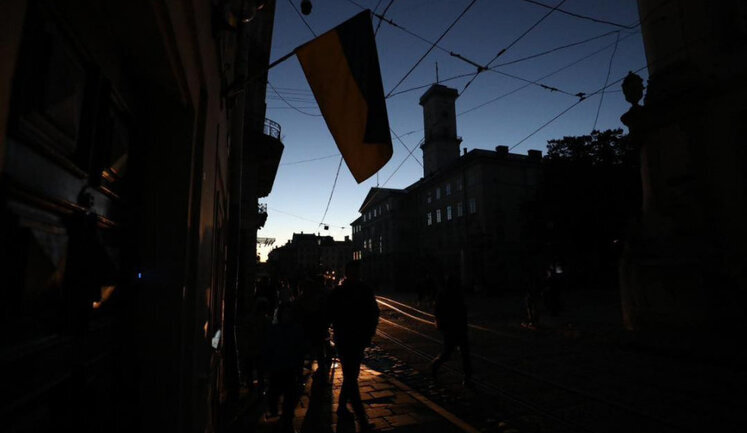
 Massive attack by Russian Federation: enemy is attacking energy sector, emergency power outages have been introduced On the night of November 8, Russian troops carried out another massive attack on Ukraine's energy infrastructure. 3 300 7 Previously in trend: Shelling of energy and gas infrastructure
 Ruscists struck energy facilities in four regions,- Ministry of Energy Russian occupiers have struck energy infrastructure in several regions of Ukraine. 2 238 1 Previously in trend: Attacks on the energy sector Shelling of energy and gas infrastructure
 At night, Russian forces again attacked gas production facilities in Poltava region. PHOTOS On the night of 1 November, Russian invaders attacked the Poltava region. One of the gas production facilities was hit. 4 848 39 Previously in trend: Shelling of energy and gas infrastructure
 Putin seeks to cause humanitarian catastrophe in Ukraine this winter – Zelenskyy Russian dictator Vladimir Putin shows no sign of wanting to stop the war. Instead, he seeks to create a humanitarian catastrophe this winter by targeting Ukraine’s energy and gas infrastructure. 3 604 61 Previously in trend: Attacks on the energy sector Shelling of energy and gas infrastructure
 Ruscists attack DTEK’s enrichment plant in Dnipropetrovsk region Russian occupation forces attacked a DTEK enrichment plant in the Dnipropetrovsk region. 1 282 0 Previously in trend: Attacks on the energy sector Shelling of energy and gas infrastructure
Page 1 of 2
more news