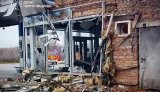
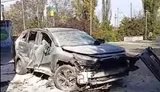
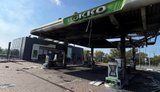
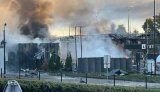
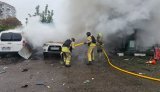
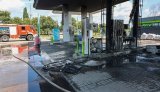
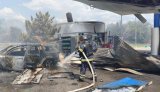
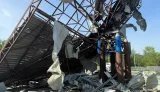
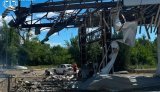
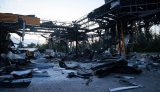
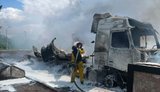
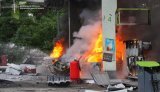
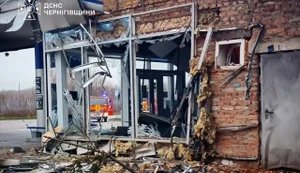
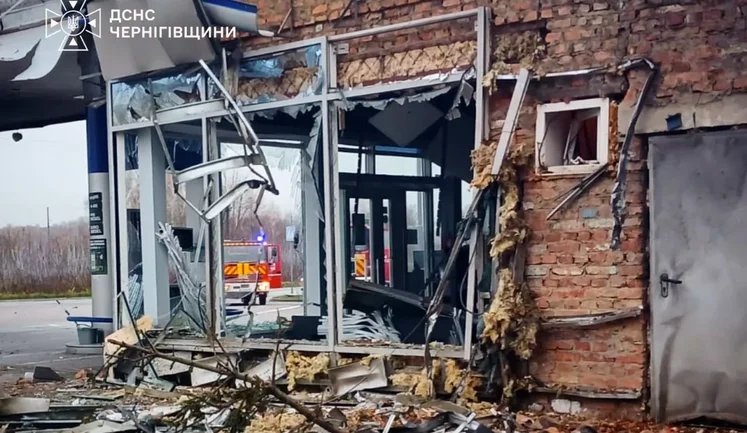
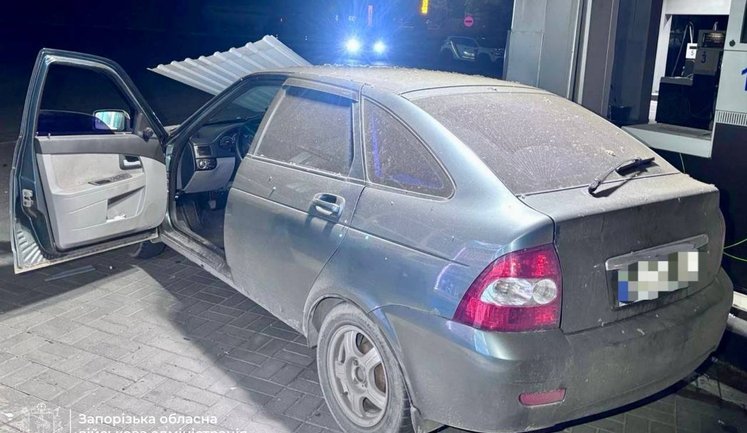
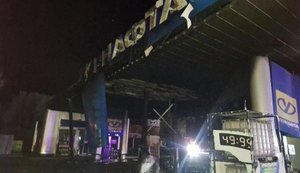
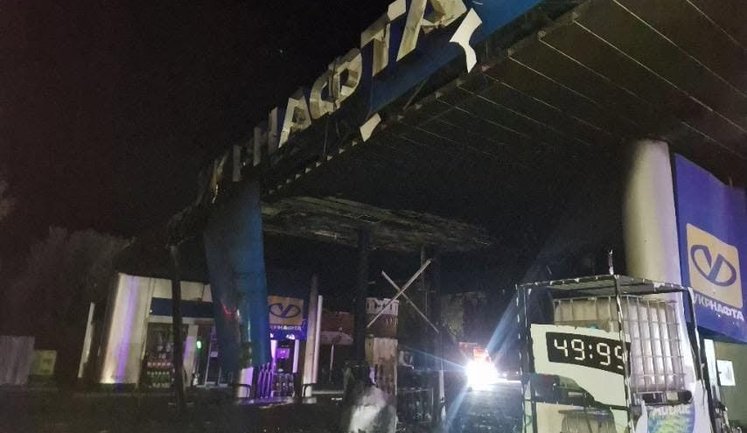
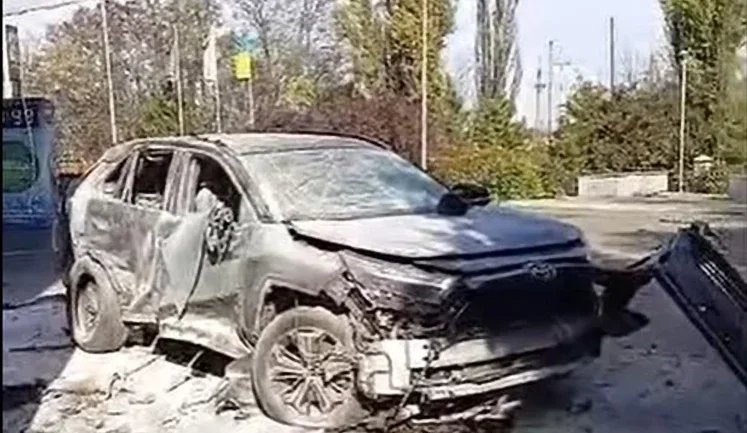
Drone attacks on petrol stations in Ukraine remain a significant concern as Russian forces have increased strikes on such facilities across various regions. The latest incidents include attacks on Ukrnafta and OKKO stations in Khmelnytskyi and Kyiv, causing damage and injuries. Despite these ongoing threats, operators assure a steady fuel supply, with no fuel shortage or panic buying currently reported. To counter these attacks, new safety measures such as real-time drone detection systems are being deployed in key areas like Kyiv, enhancing the response time against potential threats. The petrol stations are working closely with military and civil authorities to ensure public safety and service continuity.
What regions in Ukraine have been affected by drone attacks on petrol stations?
Regions such as Khmelnytskyi, Kyiv, Kharkiv, Zhytomyr, Poltava, and Zaporizhzhia have reported drone attacks on petrol stations. These attacks have caused significant damage, injuries, and, in some cases, fatalities, indicating a wide-ranging threat across the country.
Are there any preventative measures being implemented at petrol stations?
Yes, in response to the drone attacks, petrol stations are implementing preventative measures such as real-time drone detection systems. These systems are designed to alert operators to approaching drones, allowing for timely safety protocols to be enacted to protect both staff and customers.
How have the drone attacks affected fuel availability in Ukraine?
Despite the ongoing drone attacks, petrol station operators have assured that fuel availability remains stable. There has been no fuel shortage reported, and measures are in place to maintain a steady supply, preventing any disruptions to public access to fuel.
What is the impact of drone attacks on civilian infrastructure in Ukraine?
Drone attacks on civilian infrastructure, including petrol stations, have resulted in significant damage, injuries, and fatalities. The repeated targeting of these facilities underscores a threat to public safety and presents operational challenges that require strategic countermeasures and governmental support.
Is there any government response to protect petrol stations from drone attacks?
The government, alongside regional authorities, is actively working on strengthening security and safety measures at petrol stations. Initiatives include deploying real-time alert systems and designating petrol stations as critical infrastructure to ensure they receive the necessary protection and resources.
What impact have the drone attacks had on emergency services in Ukraine?
The drone attacks have increased the operational demands on emergency services, as they respond to incidents involving fires, injuries, and structural damage at petrol stations. Coordination with civil defense and law enforcement is critical to manage these emergencies effectively and safeguard affected communities.
Have any international measures been taken in response to the drone attacks?
While the primary response to the drone attacks on petrol stations has been national, there is growing international awareness and concern. Collaborative efforts are being made to monitor the situation closely, share intelligence, and explore potential supportive actions to enhance Ukraine’s defense capabilities against such threats.
What role do local operators play in maintaining petrol station services during attacks?
Local operators play a crucial role in maintaining petrol station services by implementing safety protocols, managing fuel supplies, and coordinating with authorities during attacks. Their proactive measures ensure that stations remain operational whenever possible, minimizing disruption to the public.