



Russia is luring Africans into war against Ukraine under guise of film shoots
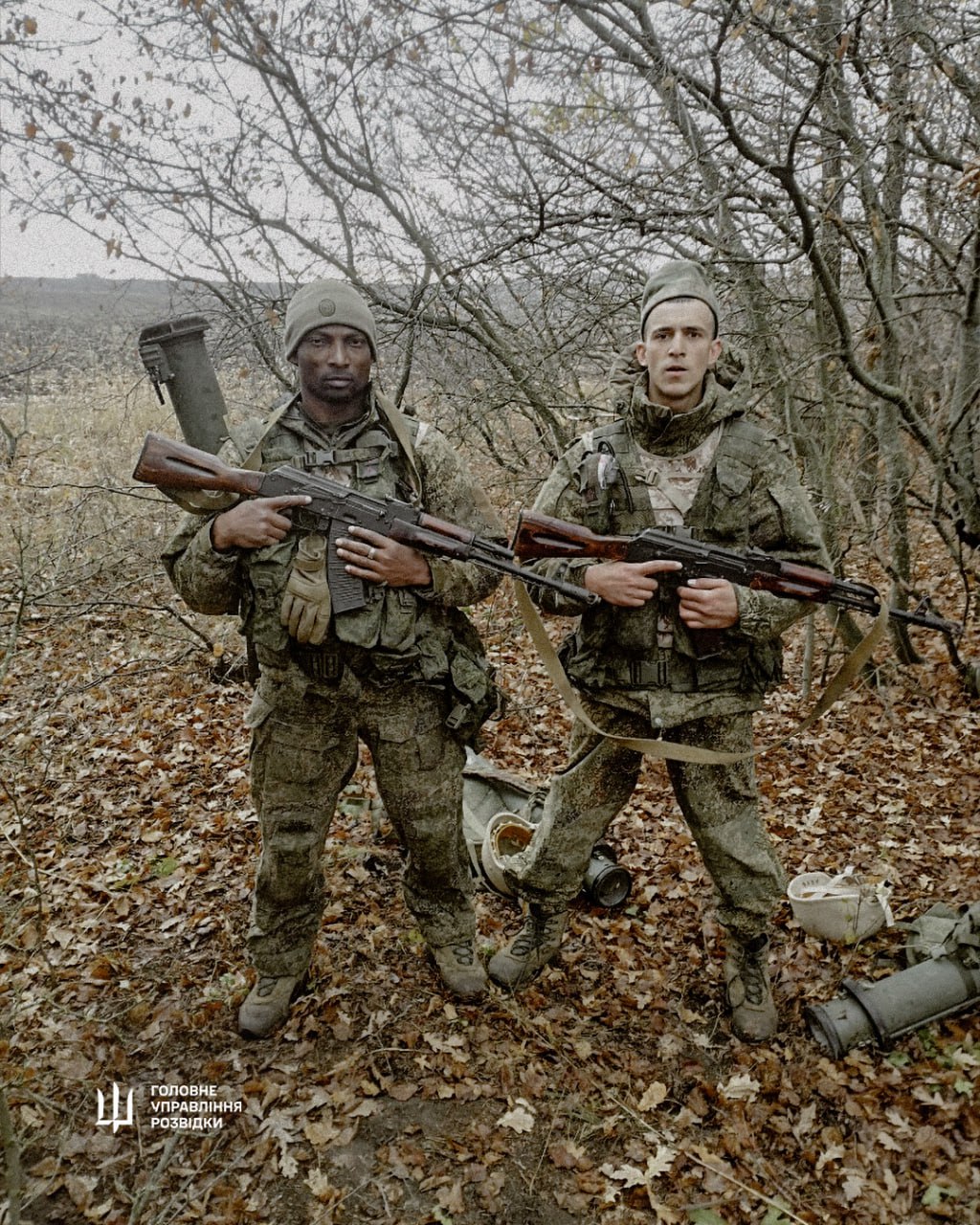
Russia is using a new scheme to recruit citizens of African countries to fight in the war against Ukraine – potential recruits are being offered the chance to take part in a film shoot. Previously, foreigners were lured to the Russian Federation, in particular with promises of high earnings in civilian jobs.
This was reported by Politico, according to Censor.NET.
It is reported that an advert, styled to look like an action film poster, was circulated on Facebook. It referred to a ‘global casting call’ for a new film project and a search for African men to play male roles. The advert was accompanied by an AI-generated image of dark-skinned men in military uniform.
According to the African non-profit organisation Code for Africa, the Russian campaign utilised at least 89 websites, seven accounts on Facebook and other social media platforms, as well as 39 accounts or channels on messaging apps. New platforms are constantly emerging.
The main target audience for recruiters is young men who face difficulties finding work and earning a living in their own countries.
According to the publication, citizens of India, Sri Lanka, Cuba, Kenya, Nepal, Botswana, the Republic of South Africa and other countries have already been drawn into the war against Ukraine in this way.
It is reported that representatives of certain countries, notably South Africa and Kenya, have demanded that the Russian leadership put an end to such practices on their territory.
Will Brown, a senior research fellow at the European Council on Foreign Relations, stated that Moscow has created a large-scale propaganda network comprising bots, influencers and content marketers, which is used not only to influence public opinion in Africa, but also to recruit people for the war.
"It is now clear that it is also being used to recruit disillusioned young people to the front line," said Brown.
According to him, those who had been recruited spoke of racist abuse, the misappropriation of their money and being forced to sign contracts with the Russian Ministry of Defence, the contents of which they did not understand. After several weeks of training, they were sent to the front line.


