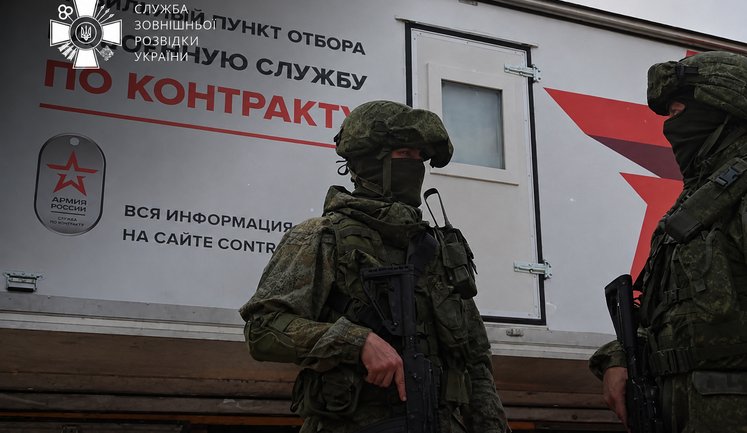
Russia's recruitment efforts have attracted scrutiny, particularly for targeting Kenyans and Bangladeshis under false pretenses. Reports indicate that Russian recruiters are luring individuals with civilian job offers, only to send them to the front lines in Ukraine. This tactic has drawn parallels with past colonial exploitation, stirring global outrage. In Estonia, Prime Minister Mihal highlights the increasing difficulty for Russian operations, prompting direct recruitment within its borders. Russia's recruitment strategies are controversial and have significant geopolitical implications.
What tactics is Russia using for recruitment in Kenya?
Russia is accused of recruiting Kenyans as cheap cannon fodder, using deceptive job offers to enlist them into military roles under exploitative conditions, reminiscent of colonial practices.
How does Russia recruit Bangladeshi citizens for war?
Russian recruiters reportedly deceive Bangladeshi citizens by promising civilian jobs in Russia. Upon arrival, these individuals are forcibly sent to participate in military operations against Ukraine.
What challenges does Russia face in recruiting within Estonia?
According to Estonian Prime Minister Mihal, Russia's special services face increased difficulty in operating in Estonia, pushing them to recruit individuals directly from their own country to achieve their aims.
Why is Russia's recruitment in Africa seen as controversial?
Russia’s recruitment in Africa is controversial due to its exploitative nature, drawing harsh criticism for evoking colonialist tactics by exploiting vulnerable populations for military purposes.
What international reactions are there to Russia’s recruitment practices?
International reactions to Russia's recruitment practices range from condemnation by political leaders and human rights organizations to heightened scrutiny over the exploitation and manipulation of vulnerable populations.