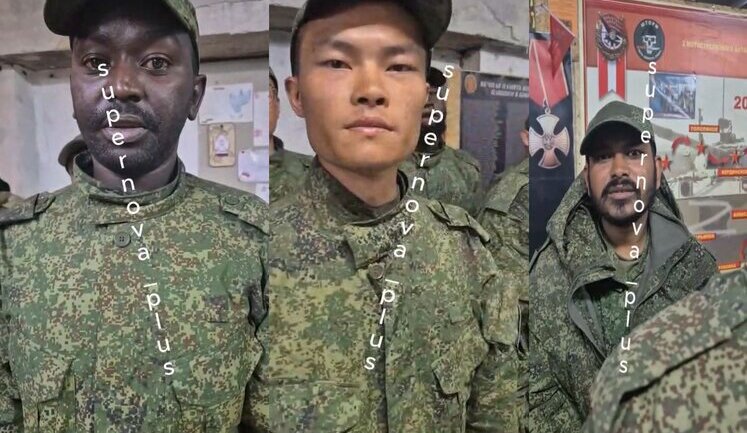
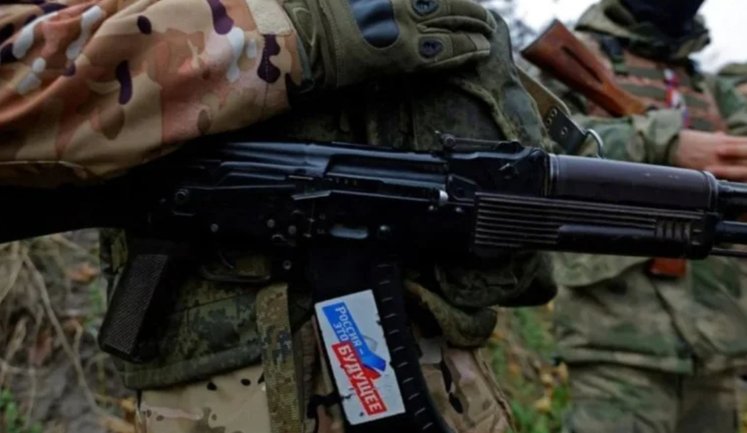
The involvement of foreign mercenaries in the Russian army continues to be a significant factor in the ongoing conflict against Ukraine. Recently, Kazakhstan has been negotiating with Russia for the return of its citizens, highlighting the international dimension of this issue. Videos and reports reveal the conditions and dynamics these mercenaries face, including abuses like the recent incident involving a Belarusian mercenary. Russia's recruitment efforts extend worldwide, targeting various countries despite diplomatic tensions, evidenced by incidents involving Nigerian, Kenyan, Peruvian, and other nationals. Ukraine's Defense Forces have actively countered these mercenary activities, achieving significant successes in the Kharkiv and Donetsk regions, where several foreign fighters have been neutralized or captured. The complexities of this involvement raise important questions about motivations, recruitment strategies, and the geopolitical implications of such transnational military engagements.
How many foreigners are recruited by the Russian army?
Russia has been actively recruiting foreign nationals to bolster its military forces. Reports indicate that as of late 2026, Russia seeks to recruit at least 18,500 foreigners for the war effort. This recruitment spans multiple countries, often under the guise of lucrative job opportunities. Recruitment efforts persist despite international scrutiny and condemnation.
What are the conditions faced by these foreign mercenaries?
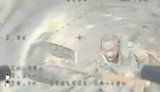
Foreign mercenaries in the Russian army often face harsh and abusive conditions. A notable incident involved a Belarusian mercenary who was subjected to violent abuse by comrades, capturing the brutal reality and lack of camaraderie among these hired soldiers. This incident is just one among many that illustrate the challenging environment these mercenaries encounter.
Which countries' citizens are involved in Russia's military activities?
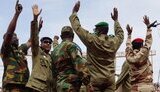
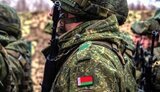
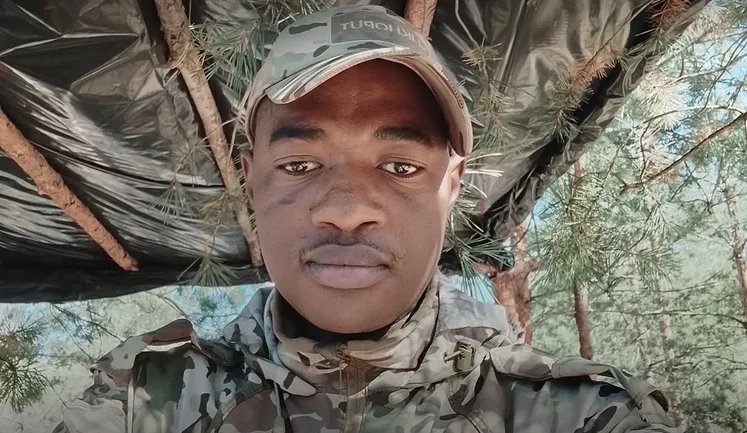
Citizens from various countries, including Kenya, Nigeria, Peru, Zimbabwe, and Belarus, are involved in Russia's military operations. The diversity of nationalities reflects Russia's broad recruitment strategy, although it raises significant ethical concerns and diplomatic tensions as these individuals partake in a foreign conflict.
How do other countries respond to such recruitment?
Countries targeted by Russian recruitment efforts have responded with diplomatic and legal measures. For instance, Peru has launched investigations into the recruitment of its citizens, while other nations have publicly expressed their disapproval. International pressure on Russia continues to mount as these practices violate international norms.
What role do these mercenaries play in the Ukrainian conflict?
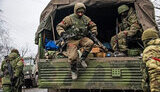
Foreign mercenaries play an active and direct role in combat operations against Ukrainian forces, supporting Russian military objectives. They contribute to the prolongation and complexity of the conflict, adding an international dimension to what is primarily a regional war, thus attracting global attention and intervention.
Have there been successful operations against these mercenaries?
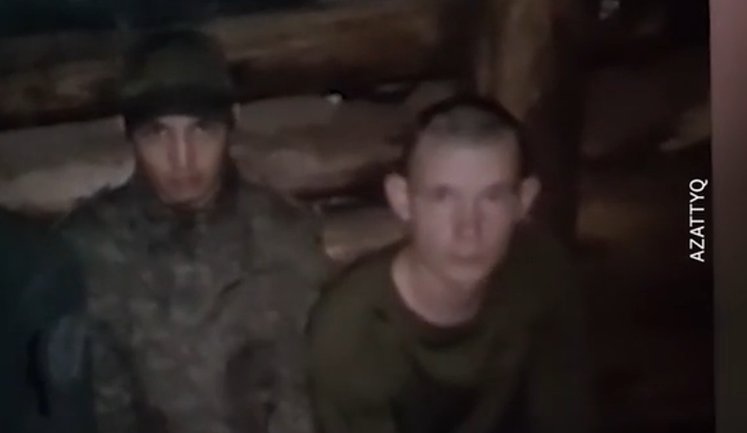
Ukrainian defense operations have successfully targeted foreign mercenaries, capturing and neutralizing several groups across combat zones. The Kharkiv and Donetsk regions have seen significant Ukrainian successes, with notable captures and eliminations disrupting Russian plans and underscoring the resilience of Ukrainian forces against foreign adversaries.
Why do individuals join the Russian army as mercenaries?
Individuals join the Russian army as mercenaries often due to promises of substantial financial compensation, adventure, or due to being misled about the nature of their engagement. Economic hardships in home countries also play a role in attracting individuals to such high-risk endeavors, despite the perils involved.
What impact does the presence of foreign mercenaries have on the conflict?
The presence of foreign mercenaries amplifies the scale and intensity of the conflict in Ukraine. It complicates diplomatic negotiations and humanitarian efforts while increasing casualties on all fronts. Their involvement underscores the expansive reach of the war and challenges efforts towards peace and resolution.
Are there any legal repercussions for these mercenaries?
Engaging as a mercenary often leads to legal repercussions in the individual's home country, where laws might criminalize participation in foreign conflicts. Additionally, captured mercenaries face military prosecution under international laws which govern unlawful combatants, receiving sentences fitting their wartime activities.
How does Russia's recruitment of mercenaries affect its international standing?
Russia's recruitment of foreign mercenaries negatively affects its international standing by attracting widespread condemnation and diminishing its diplomatic credibility. Such actions are seen as escalatory by the international community, leading to increased sanctions and diplomatic isolation for perpetuating the conflict.