ENG




10728 visitors online
The Russian army's internal order and discipline have come into sharp focus with recent video footage revealing shocking treatment of troops. Commanders have been documented using extreme measures, such as tying subordinates to trees and engaging in public beatings, to enforce discipline. Instances of comrades abandoning their fellow soldiers, or actively pushing them into harm's way, reflect an alarming breakdown in unit cohesion and trust. Meanwhile, tactics resembling medieval punishment continue, as seen in videos where soldiers are beaten, threatened, and even subjected to torture by their own commanders. These actions paint a grim picture of military life and raise urgent questions about morale and leadership within the Russian armed forces.
What type of disciplinary actions are seen in the Russian army?
Recent videos show severe disciplinary methods in the Russian army, including public beatings, soldiers tied to trees, and instances of physical humiliation that breach human rights and highlight a stark lack of order and morale within ranks. These actions suggest persistent internal challenges in maintaining discipline.
How are Russian soldiers treating their wounded comrades?
Footage demonstrates a worrying disregard among Russian soldiers toward their wounded comrades. There are multiple reports of injured soldiers being abandoned, mocked, or pushed into harm's way by their own unit. This behavior signals a troubling lack of cohesion and support within the ranks.
Are the disciplinary practices in the Russian army lawful and ethical?
The documented practices, including corporal punishment and acts that resemble torture, violate international norms and ethical standards. They suggest a systemic issue with leadership and morale that could have long-term implications for the effectiveness and reputation of the military.
What impact do these practices have on the morale of Russian soldiers?
Extreme disciplinary practices likely have a detrimental effect on soldier morale, undermining trust and camaraderie within the units. The visible fear and disorder could contribute to decreased effectiveness in combat situations and foster resentment towards leadership among the ranks.
How have external observers responded to these videos?
International observers and human rights organizations have expressed concern, calling for investigations into the treatment of Russian soldiers. The exposed practices raise urgent questions about command responsibility and the broader conduct within the Russian military structure.
What do these revelations suggest about the leadership in the Russian army?
Leadership within the Russian army is portrayed as highly authoritarian and punitive. Such approaches may foster fear but not loyalty or respect, undermining the overall effectiveness of military operations and contributing to an environment of distrust and disarray.
Do these issues affect the army's operational capabilities?
Yes, morale and trust among troops directly impact operational capabilities. The observed conduct of intimidation and cruelty among units could lead to a breakdown of operational effectiveness, compromising mission success and endangering soldiers' lives.
What does this mean for soldiers' safety and welfare?
The safety and welfare of Russian soldiers are gravely at risk due to these practices. The failure to uphold a humane treatment standard can lead to unnecessary casualties and a profound psychological toll on soldiers, which may hinder their ability to perform effectively.
How does this compare to international military standards?
The reported practices starkly contrast with international military standards, which emphasize humane treatment, respect, and disciplined yet fair leadership. The Russian approach shuns these norms, revealing a significant disparity in maintaining a disciplined and ethical military force.
What changes are needed to improve discipline and morale?
To improve discipline and morale, the Russian army would need significant reforms, including establishing clear ethical guidelines, promoting accountability among commanders, ensuring humane treatment of soldiers, and fostering an environment of mutual respect and support within the ranks.
w117_header_alt Order in Russian army
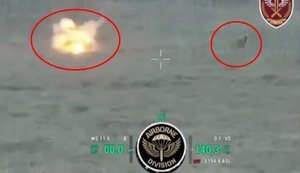
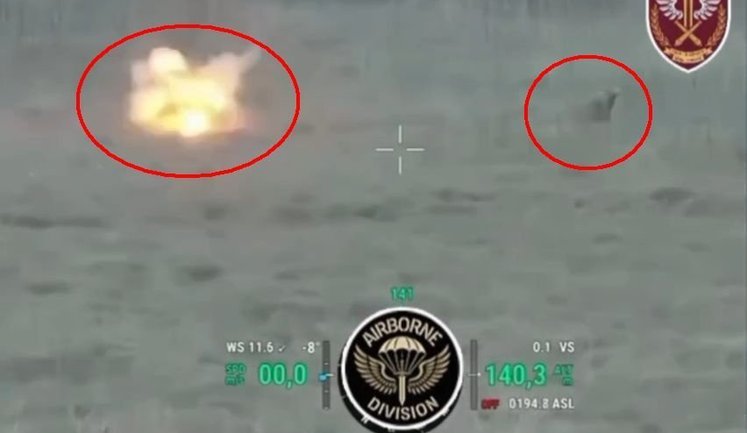
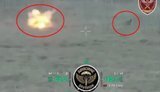 Occupier didn’t even glance back at his comrade, who had been killed by Ukrainian drone, and carried on his way. VIDEO A video has been published online showing a Ukrainian drone attacking two Russian occupiers moving across open terrain. One of them is killed by the strike, whilst his companion continues walking without even looking back. 5 540 5 Previously in trend: Order in Russian army
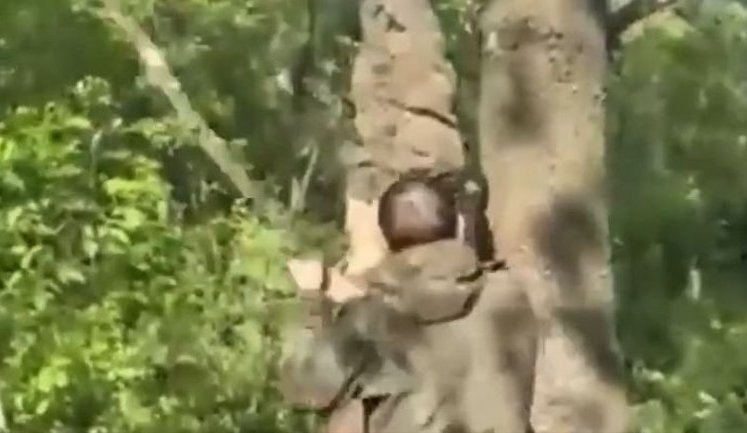
 Russian hangs Belarusian mercenary serving in Russian army from tree by his feet and beats him with stick: "I’ll make mashed potatoes out of you, you potato-eater!". VIDEO A video posted online shows the abuse of a man believed to be a Belarusian mercenary serving in the Russian army. In the footage, the man is hung upside down from a tree by his legs. A Russian then beats him with a wooden stick and threatens further violence. 12 685 41 Previously in trend: foreign mercenaries in russian army Order in Russian army
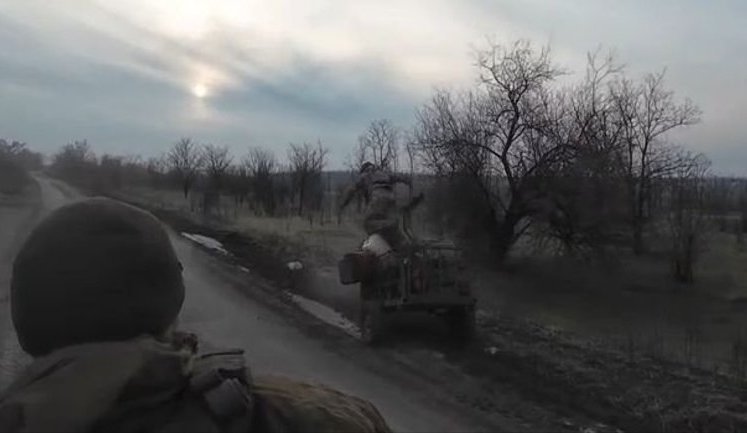
 Trailer carrying three Russian occupiers detaches from ATV, overtakes it and veers onto roadside. VIDEO A video showing a comical accident involving three Russian troops riding in a trailer pulled by an ATV has been posted online. 6 965 7 Previously in trend: Order in Russian army
 Occupier beats up his accomplice: "What do you mean, Leha, f#ck? You f#cking idiot. Who the hell are you talking to?". VIDEO Another video has been published online, clearly showing the abuse and lack of human decency amongst the ranks of the Russian Federation’s occupying forces. 6 344 17 Previously in trend: Order in Russian army
 Russians have thrown their Bashkir accomplice into pit, are shooting at him and pelting him with stones: "What’s matter with you, you f#cking monkey, you bitch, you non-Russian! Speak Russian, you creature!!!". VIDEO A video has emerged online exposing deep-rooted xenophobia, racism and bullying within the ranks of the Russian army. 14 428 68 Previously in trend: Order in Russian army
 Occupier beats accomplice on his bare arse for refusing to hand over money to buy drones: "Bashkir, you bitch! You f#cking f#ggot! Decided to save a bit?". VIDEO A video has been published online showing the ‘disciplinary process’ in the Russian Armed Forces for refusing to hand over funds for the unit’s needs. 9 453 23 Previously in trend: Order in Russian army
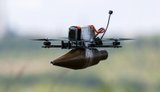 Russian FPV drones kill their own assault troops for refusing to advance – Trehubov Russian forces use FPV drones against their own assault groups if they refuse to obey orders or stray from their assigned route during attacks on Ukrainian positions. 2 381 17 Previously in trend: Abuse and beatings in Russian army Order in Russian army
 Russian soldier is torturing his fellow soldiers who complained about fuel shortage: "Not enough fuel for you, you f#ckers!? You’ll have to fill up at your own expense!". VIDEO A video has been posted online showing yet another brutal act of violence within the ranks of the Russian army. The footage shows a Russian soldier torturing two of his fellow soldiers: he stripped them down to their underwear, hung them by their arms from a crossbar between two trees, and beat... 10 639 34 Previously in trend: Order in Russian army Fuel shortage in the Russian Federation
 Russian army commander beats two subordinates who are tied to tree and stripped down to their underwear: "Well then, you f#cking idiots, you’ve been waiting for this, haven’t you? F#cking animals!". VIDEO A video filmed at one of the frontline positions of the Russian occupying forces has been circulated on social media. The footage captures instances of unauthorised treatment and extrajudicial punishment: a Russian officer is conducting a ‘preventative interview’ with two subordinates whom he... 11 837 41 Previously in trend: Order in Russian army
 Five occupiers beat their half-naked comrade, tied with his arms outstretched between two trees, with sticks. VIDEO A video recorded by Russian army servicemen has spread on social media, showing hazing and the use of physical punishment inside a unit. According to Censor.NET, the incident involved several people at one of the positions of the Russian occupation forces. 11 258 43 Previously in trend: Order in Russian army
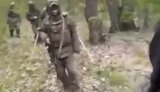 Russian army assault troops sneak through woods to strike Ukrainian Armed Forces positions: "We’re off on combat mission. Two assault rifles, three bulletproof vests for six of us. We’re all cripples. It’s just f#cking mad". VIDEO The Russian army command continues its practice of ruthlessly sacrificing its own manpower by sending units to the front line that are entirely made up of wounded and unfit soldiers. According to Censor.NET, a telling video has emerged online, recorded by a Russian occupier himself during an... 13 182 64 Previously in trend: Elimination of Russian occupying forces Order in Russian army
 Russians tie two soldiers who refused to fight to tree: This is some f#cked-up shit." What ass, all striped. Did they spank you?". VIDEO The occupiers have once again demonstrated a complete lack of humanity, morals, and military honour, even in their treatment of their own comrades. As Censor.NET reports, a video has been published online showing Russians abusing two of their own. 17 527 40 Previously in trend: Order in Russian army
 Two occupiers from 82nd Regiment of Russian Armed Forces complain about their officer: "Baba Yaga has crushed us. Commander gave us proper telling-off and is sending us back into battle". VIDEO Another video has emerged online confirming the low morale and panic within the ranks of the Russian Armed Forces. Two soldiers from the 82nd Regiment of the Russian Armed Forces recorded a desperate appeal in which they spoke of abuse by their commanders and heavy losses at their positions.... 8 902 31 Previously in trend: Order in Russian army
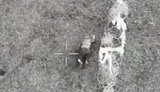 Wounded Russian desperately crawls after his comrade, who slapped him and left him on battlefield. VIDEO Aerial reconnaissance operators from the 225th Separate Assault Regiment have documented yet another instance of the saying ‘Russians don’t abandon their own’ within the ranks of the occupying forces. 8 829 8 Previously in trend: Order in Russian army
 Russian commander has tied five subordinates to trees, beating and taunting them: "Have you shit yourself yet!?" – "I’m guilty, comrade...". VIDEO A video has been published online showing the true methods used to "maintain discipline" within the ranks of the Russian occupying army. The footage captures a Russian commander carrying out a public punishment of five of his subordinates, tying them to trees in a forest belt. 12 286 40 Previously in trend: Order in Russian army
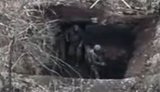 Russians drive their comrade out of dugout under attack from Ukrainian drone. VIDEO A video has been published online that clearly illustrates the nature of relations and the lack of "brotherhood" within the ranks of the Russian occupying army. According to Censor.NET, the footage captures the moment when an invader forces his comrade out of a shelter, directly into the path of... 13 683 18 Previously in trend: Order in Russian army
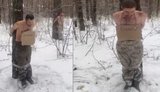 Russian commander beats and scolds half-naked subordinates tied to trees in winter forest: "Brave, f#ck off, walk of fame, f#ck!". VIDEO The invading army continues to practise medieval methods of punishment and humiliation of its own personnel. According to Censor.NET, a video filmed by a Russian commander in a winter forest has appeared online. 13 626 83 Previously in trend: Order in Russian army
 Russian commander tortures his subordinates: "You are f#ggots, f#ck! You wanted to flee off from your positions and not carry out your orders, f#ck!". VIDEO Medieval methods of torture and extrajudicial executions continue to thrive in the army of the aggressor country. According to Censor.NET, a shocking video has appeared online showing a Russian officer mocking his own subordinates, accusing them of deserting their positions. 16 731 86 Previously in trend: Order in Russian army
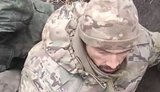 Commander of the Russian army beats his subordinates and motivates them to fight: "You are f#cked up! We’ll throw birds at you ourselves! Get up, run, f#ck!". VIDEO A video has been published online showing a Russian commander beating and mocking three of his subordinates. 12 538 56 Previously in trend: Order in Russian army
 Occupier on "motivational measures" in Russian army: "They tied me to tree for four hours. They strapped AT mine to my buddy’s chest and sent him in – it’s f#cked up and it’s nightmare!". VIDEO An occupier from the 82nd Motorised Rifle Regiment of the Russian Armed Forces recorded a video in which he described the motivational measures taken by commanders before the attacks on Vovchansk, Ukraine. 11 002 25 Previously in trend: Order in Russian army
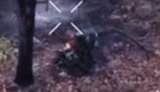 Russian soldier searches wounded comrade and leaves him to die: aerial reconnaissance footage from 63rd SMB. VIDEO The aerial reconnaissance unit of the 63rd Separate Mechanised Brigade (SMB) of the Armed Forces of Ukraine has released footage showing the behaviour of Russian soldiers after a failed assault on one of the front lines. 6 795 12 Previously in trend: Order in Russian army
 Russian army officer instructs soldiers before battle: "You f#cking animals, if you refuse, I’ll shoot every one of you. And I’ll report you as missing in action. I don’t give a sh#t!". VIDEO A video has appeared online showing Russian officer Yury Babakov, commander of assault company "V" with the call sign "Pitersky," threatening soldiers with reprisals if they fail to complete their combat mission during a briefing. 16 748 31 Previously in trend: Order in Russian army
 Occupier beats his accomplice with his boot on face. VIDEO A video recording of the occupier beating his accomplice has been published online. 9 545 37 Previously in trend: Order in Russian army
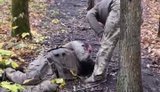 Marines from 810th Brigade of Russian Army conduct "educational" work with fellow soldier: "Where did you screw up, bitch? I’m going to piss on you right now, you fag#ot in tights". VIDEO A video has been published online showing the occupiers from the 810th Separate Marine Brigade of the Russian Armed Forces beating an accomplice with the call sign "Buryi" and threatening to kill him. 10 344 21 Previously in trend: Order in Russian army
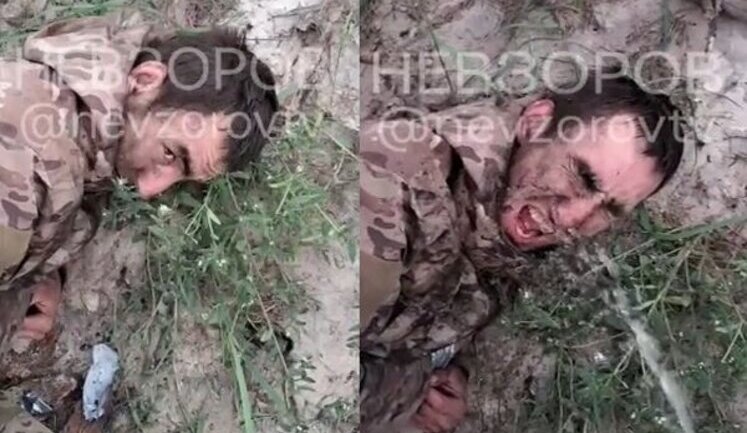
 Occupier lies in black bag on a vacant lot among rubbish and weeds: "And this bag has been lying there for week. Nobody needs poor guy, f#ck". VIDEO A video was posted online showing the occupier filming the body of his liquidated accomplice in a black bag. 9 114 19 Previously in trend: Order in Russian army
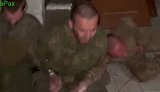 Russian commander tortures three of his subordinates with electricity: "Why f#ck did you f#ck off to deep rear?!". VIDEO A video recording of three occupiers being tortured by their accomplices was published online. 14 952 49 Previously in trend: Order in Russian army
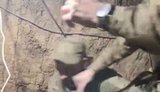 Occupier in dugout beats up his accomplice. VIDEO A video recording of the occupier in a dugout beating his accomplice was published online. 11 144 22 Previously in trend: Order in Russian army
 Russians beat mobilized man from so-called "LNR/DNR": "What f#ck do we need you—half Ukrainian, half Russian? Shut f#ck up, b#tch". VIDEO A video has surfaced online showing Russian soldiers beating a conscript from the occupied territories of Donbas. 15 453 74 Previously in trend: Order in Russian army
 Occupiers bury their accomplice alive in trench: "Don’t cry, f#ck! It’s too late! No one’s gonna find you, f#cker!". VIDEO A video recording of the occupiers burying their accomplice alive was published online. 25 704 20 Previously in trend: Order in Russian army
 Occupier mocks his fellow soldiers sitting in pit for drunkenness: "What are you moaning about, you f#cking cows. Are you alive, f#cking hell? Looks like this bitch is dead". VIDEO 18+ A video was published online showing the occupier "inspecting" the pit where his fellow soldiers accused of drinking alcohol are sitting. 17 723 22 Previously in trend: Order in Russian army
 Legless occupier whines on camera: "Guys are left without food, I’m in tears". VIDEO A legless occupier, who calls himself a "deputy commander of the Russian army," pinned medals on himself and recorded a video appeal in which he whines about the "horrible conditions" and lack of money among his comrades with the call signs "Sedoi" and "Gimnast." 10 720 44 Previously in trend: Order in Russian army
 Occupiers broke arms and legs of their accomplice who tried to escape from front: "We caught f#ggot! He almost made it to Mariupol, f#cking bastard". AUDIO The Russians broke the arms and legs of their accomplice, who tried to avoid the meat assaults and escape from the front. 5 781 17 Previously in trend: Order in Russian army
 Occupiers have opened sewer line, collect murky liquid to drink and share their impressions. VIDEO Russian soldiers drink water from the sewerage system. According to Censor.NET, two occupiers are taking muntu liquid from the pipes in the system by opening a manhole in the middle of the street. The process is accompanied by the sound of explosions. 11 177 51 Previously in trend: Order in Russian army
 Two drunk Russian paratroopers staged shootout in barracks: "This one’s ’three hundred’. What the f#ck are you doing?! Have you gone mad, soldier?". VIDEO 18+ Two occupiers from the Russian 331st Airborne Regiment started a firefight with each other at the unit's location. 14 432 43 Previously in trend: Order in Russian army
 Drug-addicted occupier blows himself up in his trench: "F#cking drug-addict. He got high, idiot. And then he started gnawing grenade". VIDEO A video was posted online showing Russians examining and preparing to help their accomplice. 14 937 30 Previously in trend: Order in Russian army
 Occupiers torture their fellow soldier with electric shocks: "Crank hurdy-gurdy for this b#stard who stole from common fund". VIDEO 18+ A video has been published online showing the occupiers torturing their fellow soldier with electricity, allegedly for stealing money. 12 737 25 Previously in trend: Order in Russian army
 Russian commander conducts ’combat coordination’ of small assault group: "So, what, you f#ckers, gonna defend Motherland? Show your f#cing face! Why don’t you want to go on assault?". VIDEO A video has surfaced online showing a Russian commander beating his subordinates, forcing them to launch a "meat assault to defend the motherland." 19 332 72 Previously in trend: Order in Russian army
 Russian refuses to let his wounded comrade into dugout, beats him, shoves him, and threatens him with assault rifle. VIDEO A video posted online shows a wounded occupier trying to climb into a dugout, while another Russian refuses to let him in. 12 232 41 Previously in trend: Order in Russian army
 Occupier finishes off his wounded accomplice with blows to head with butt of automatic rifle. VIDEO A video recording of the occupier killing his wounded accomplice was published online. 17 068 36 Previously in trend: Order in Russian army
 Russian shoots his accomplice at point-blank range in Zaporizhzhia region. VIDEO A video was published online showing the occupier shooting his accomplice at close range with a machine gun in the Zaporizhzhia direction. 27 181 40 Previously in trend: Order in Russian army
 Occupiers beat their comrade with stick: "You f#cking scum! That’s what happens to whiners who complain to prosecutor’s office, f#ck!". VIDEO The occupiers from the 255th Motorised Rifle Regiment of the 13766th Military Unit of the Russian Armed Forces severely beat their accomplice for complaining to the prosecutor's office. 13 086 27 Previously in trend: Order in Russian army
 Occupier has lost control of his motorcycle and crashed into bushes while filming video for volunteers. VIDEO The occupiers from the reconnaissance company of the 1st Tank Regiment of the Russian Army thanked their volunteers for the motorcycle in a peculiar way. 7 139 19 Previously in trend: Order in Russian army
 Russian soldier beating two of his comrades tied to pole with stick: "Here they are, two f#ggots! You shouldn’t have left your positions!". VIDEO A video was posted online showing a Russian soldier beating two of his accomplices tied to a pole with a stick. 20 238 103 Previously in trend: Order in Russian army
 Russians chain up their fellow soldier who refused to fight and keep him in doghouse: "Do you want to eat? Eat, animal! Tomorrow you’ll go on assault, and you’ll die there, dog!". VIDEO A video recording of the occupiers mocking their refusenik accomplice was published online. 14 479 76 Previously in trend: Order in Russian army
 Russian commander orders wounded subordinates who are asking to be evacuated to continue fighting: "I’m so f#cking sick of you, churki! If he can’t walk, let him crawl!". VIDEO A video recording was published online in which a Russian reported to his commander about his "three hundredth" accomplice and asked for his evacuation. 13 624 46 Previously in trend: Is Russia for Russians? Order in Russian army
 Russian commander fires over heads of two naked refusenik soldiers in pit: "What now, you b#tches? Shall we treat your bronchitis? Got your f#cking faces up!. VIDEO A video has been published online showing a Russian commander "treating" two refuseniks for "bronchitis" with shots from an assault rifle. 16 966 167 Previously in trend: Order in Russian army
 Russian conscripts from Caucasus beating up fellow Russian in barracks: "Bitch! Coward! Show your face, you f#cking f#ggot!". VIDEO A video was posted online showing Russian conscripts from the Caucasus beating their fellow Russian conscript in the barracks. 22 055 64 Previously in trend: Order in Russian army
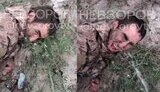 Russian soldier beats, mocks, and urinates on fellow refuseniks: "Open your mouth, b#tch! Like it?! Drink, bitch!". VIDEO 18+ A video has surfaced online showing a Russian soldier conducting a brutal "disciplinary session" with two fellow refuseniks—soldiers who reportedly refused to follow orders. 28 302 149 Previously in trend: Order in Russian army
Page 1 of 2
more news