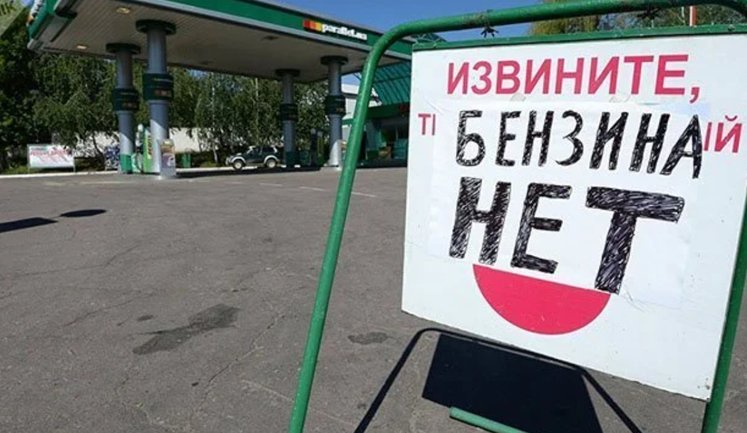
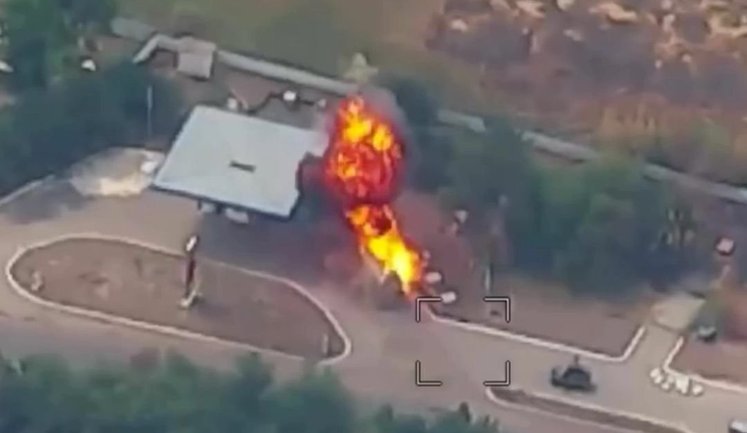
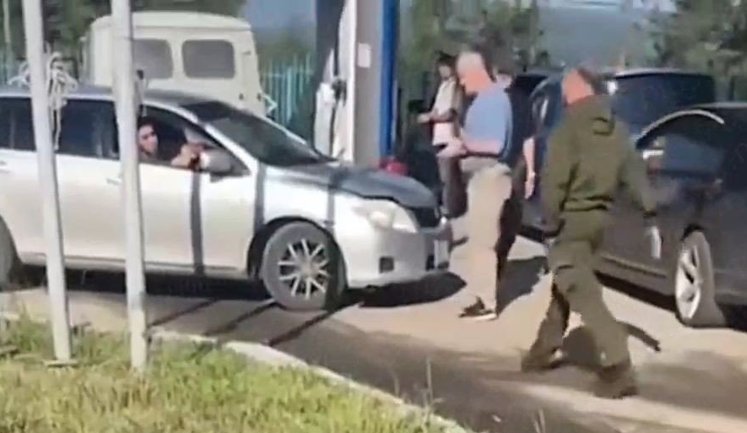
The ongoing fuel shortage in the Russian Federation has caused significant disruptions and heightened tensions across the nation. Reports from Krasnodar reveal altercations breaking out as individuals compete for places in long queues at petrol stations. Similar scenes have unfolded in Moscow, where a catastrophic accident involving a lorry added to the chaos. Videos and social media posts highlight the gravity of the situation, showing locals scrambling for fuel and sometimes resorting to violence, including fights and vandalism. This crisis is deepening due to strikes on key oil refineries, further exacerbating the shortage and fueling public discontent. Additionally, some regions have resorted to rationing strategies like refueling based on vehicle number plates to manage dwindling supplies. These repercussions reflect a broader crisis impacting daily life and the economy in Russia as fuel shortages persist.
What are the main reasons for the fuel shortage in Russia?
The fuel shortage in Russia is primarily attributed to a series of strikes on oil refineries, significantly reducing production capacity. Additionally, geopolitical issues and sanctions have hampered Russia’s ability to import fuel, exacerbating the crisis and resulting in widespread shortages across the country.
How are people in Russia coping with the fuel shortage?
In response to the fuel shortage, many Russians are adopting alternative transportation methods such as using horses or public transport. People have also reflected on past economic struggles, with some opting to engage in makeshift solutions like rationing their existing fuel supplies or utilizing carpools to manage their needs.
What impact does the fuel shortage have on daily life in Russia?
The fuel shortage has severely impacted daily life in Russia, with long queues at petrol stations causing significant delays and tensions among citizens. This crisis affects businesses, agriculture, and public services, with many sectors struggling to function efficiently due to limited access to fuel, thus disrupting economic stability.
What measures are Russian authorities taking to address the shortage?
To address the fuel shortage, Russian authorities have implemented rationing measures such as restricting fuel distribution based on vehicle license plates. Additionally, efforts are being made to redirect fuel supplies to major cities like Moscow to prioritize essential services, although these measures have met with mixed results and public frustration.
How are businesses affected by the fuel shortage in Russia?
The fuel shortage has led to considerable impacts on businesses across Russia, with transportation and logistic sectors facing delays and increased costs. Industries reliant on diesel, such as agriculture and manufacturing, are experiencing production slowdowns, leading to potential economic repercussions for regional economies.
What role do social media and videos play in the current fuel crisis?
Social media and videos play a crucial role in documenting and spreading awareness of the fuel crisis in Russia. Videos of long queues, altercations, and innovative coping strategies provide real-time insights into the situation, enabling citizens to share their experiences and rally attention to the severity and human impact of the crisis.
How has the fuel crisis affected public sentiment towards the government in Russia?
The fuel crisis has fueled public discontent and criticism toward the government in Russia, with citizens increasingly frustrated over the perceived lack of effective measures to alleviate the situation. This discontent is expressed through protests, social media outrage, and widespread resentment towards governmental handling of the crisis.
Are there any regions in Russia more severely affected by the fuel shortage?
Regional disparities exist in the severity of the fuel shortage across Russia, with remote and industrially dependent areas facing heightened challenges. Southern regions, in particular, are reported to have been significantly affected, with agricultural activities stalled, exacerbating the crisis's impact on the local economy and food supply chains.
What are the potential long-term effects of the fuel shortage on Russia’s economy?
The long-term effects of the fuel shortage on Russia’s economy could include sustained inflation due to increased transport and production costs, potential disruptions in agricultural output leading to food supply issues, and diminished public and investor confidence, affecting economic growth and stability.
What are some creative solutions Russians are undertaking to deal with the fuel crisis?
In response to the crisis, some Russians are turning to creative solutions such as forming cooperative buying groups to access fuel, utilizing alternative personal transportation with bicycles and horses, and leveraging shared transport initiatives. These adaptations highlight resilience in navigating the shortage effectively.