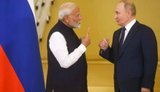
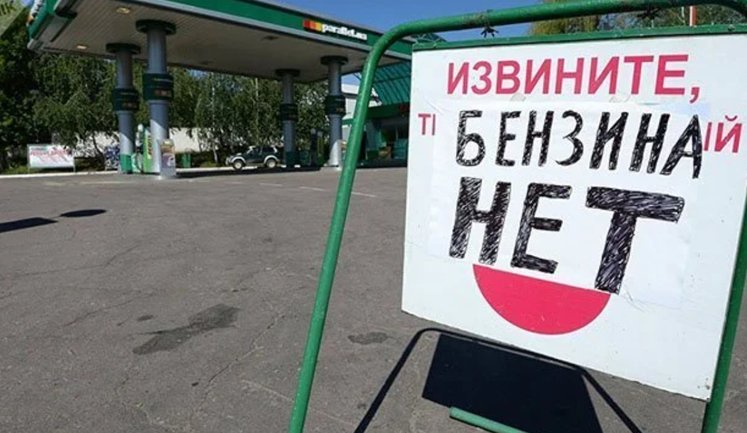
The oil crisis in Russia has escalated following Ukrainian strikes on key oil refineries, leading to critical fuel shortages across the country. With queues reappearing in at least 12 Russian regions, the situation is worsening daily. In an attempt to address the fuel crisis, Russia has turned to importing gasoline from India. This comes amid reports of kilometer-long queues at gas stations, visible even from satellite images. Russian troops are experiencing restricted fuel supplies, with allocations as low as 20 litres per vehicle per day. Ukrainian President Zelenskyy notes a growing desire among Russians for the war to end due to the oil crisis. The Russian government, led by President Putin, acknowledges the "significant problems" with fuel availability and threatens stronger military responses.
What caused the current oil crisis in Russia?
The oil crisis in Russia was triggered by Ukrainian Defense Forces' strikes on Russian oil refineries, leading to severe petrol shortages across many Russian regions. This escalation has forced Russia to import gasoline from India to help alleviate the fuel shortfall.
How are Russian regions coping with the petrol shortages?
Russian regions are experiencing long queues at petrol stations, with some cars waiting for up to six hours for fuel. The crisis has prompted the government to introduce measures like fuel rationing for troops and importing gasoline from other countries to ease the strain.
Are there any international responses to Russia's oil crisis?
While Russia is coping with its oil crisis by importing gasoline from India, the international response focuses on the geopolitical implications of the situation. The shortage and subsequent crisis highlight vulnerabilities in Russian energy infrastructure, likely prompting further global dialogue on energy security.
What measures has the Russian government taken to address the oil crisis?
The Russian government has acknowledged the petrol shortage and is considering various measures including banning diesel exports. Additionally, they have started importing gasoline from India to supplement domestic supply and have introduced fuel rationing for military vehicles to manage the crisis.
How has the oil crisis affected the general population in Russia?
The population in Russia is facing significant inconveniences due to the oil crisis. Long queues at petrol stations have become a common sight, with some regions experiencing more severe shortages. This has also increased public scrutiny and criticism of government measures and reactions to the crisis.
What role did Ukraine's actions play in the Russian fuel crisis?
Ukraine's strategic strikes on Russian oil refineries have been a critical factor in the onset of the fuel crisis. These targeted attacks have severely disrupted Russia's energy supply chain, leading to shortages and forcing Russia to seek alternative fuel sources from international partners like India.
Is the oil crisis expected to impact Russia's military capabilities?
The fuel shortages are already impacting Russia's military capabilities as troops face fuel rationing, limiting vehicle fuel to 20 litres per day. This constraint could impede movement and operations, potentially affecting military strategies and efficacy in current and future endeavors.