



Petrol queues reappear in at least 12 Russian regions amid fuel crisis – Russian media
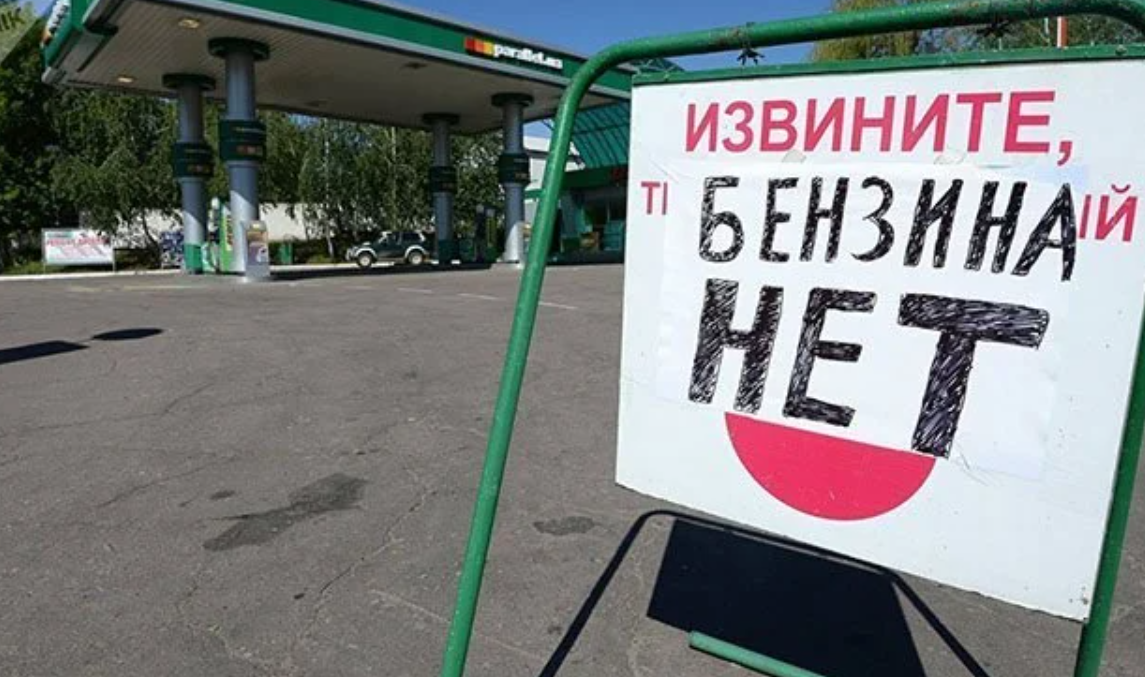
Queues have once again begun to form at petrol stations in Russia, while some regions are experiencing petrol shortages. Fuel supply problems have already been recorded in at least 12 constituent entities of the Russian Federation.
As Censor.NET reports, this was reported by Russian media, including The Moscow Times, citing the 7x7 outlet, regional media and statements by local authorities.
According to the outlet, queues have reappeared at petrol stations in Krasnodar, Sochi and Gelendzhik, although Krasnodar Krai Governor Veniamin Kondratyev said in late July that the situation had stabilised. Fuel supply problems have also been reported in the Kaluga, Smolensk, Rostov, Tambov, Tula, Ulyanovsk, Penza, Saratov, Ryazan and Voronezh regions, as well as Primorsky Krai.
According to local media, several petrol stations in Smolensk have temporarily stopped selling AI-92 and AI-95 petrol. Some petrol stations in Rostov-on-Don have closed again, while long queues have formed at others. In some regions, drivers are permitted to purchase no more than 30 litres of fuel at a time.
The Russian authorities attribute the renewed queues to increased demand and drivers seeking to stock up ahead of the weekend. At the same time, Russian media link the crisis primarily to the consequences of strikes by the Defence Forces of Ukraine on Russian oil refineries.
The outlet noted that at least 26 Russian oil refineries have been put out of operation by Ukrainian attacks since the beginning of the year. According to the Financial Times, as of the end of July, only eight facilities had fully resumed operations, another eleven were operating at partial capacity, and seven remained shut down.
EA Analytics estimates that oil refining in Russia has fallen to 3.6 million barrels per day, its lowest level since May 2002.
In response to the shortage, the Russian government banned petrol exports, sharply increased fuel purchases from Belarus, and began importing fuel from India and Morocco. In addition, the authorities authorised the production of petrol under lower environmental standards, including Euro 2, the use of which was banned in Russia back in 2013.


