ENG




8618 visitors online
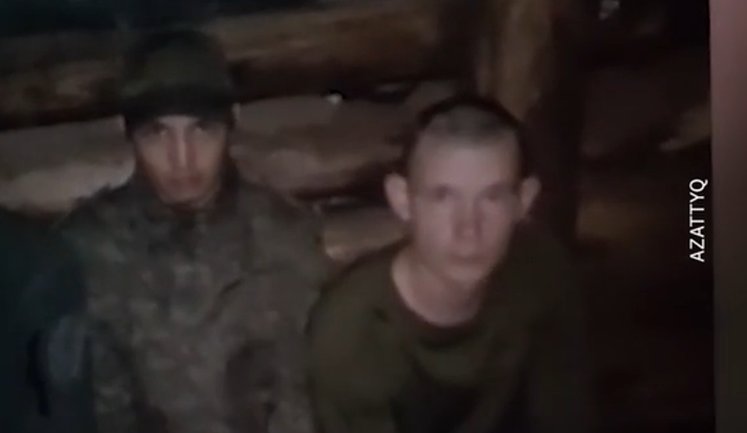
Russia intends to recruit 18,500 foreigners to aid in the war against Ukraine by the end of 2026, escalating international tensions. This recruitment strategy mirrors the one employed domestically, focusing on socially vulnerable individuals, including those from Western countries. The model involves enrolling individuals in subversive activities. Additionally, a recent law prohibits the deportation of foreigners partaking in these hostilities, providing them legal protection. Such recruitment tactics heighten global security concerns, as they involve foreign nationals in military operations, potentially leading to broader geopolitical ramifications.
Why is Russia recruiting foreigners for its war efforts in Ukraine?
Russia is recruiting foreigners to strengthen its military capabilities in the ongoing conflict with Ukraine. By targeting vulnerable individuals globally, it seeks to expand its strategic reach and bolster its impact on the battlefield. This approach aims to augment their forces by integrating foreign personnel into military operations.
What methods is Russia using for recruitment in Western countries?
In Western countries, Russia employs recruitment methods similar to those in Ukraine, targeting socially vulnerable individuals. These tactics involve enticing residents into subversive activities, thereby expanding Russia's influence and operational reach beyond its borders. This deliberate strategy aims to involve foreigners in their military campaigns.
What protection does Russian law offer to foreigners who join the military efforts?
Russian law now includes provisions that ban the deportation of foreigners involved in military efforts against Ukraine. This legal protection is extended to individuals who have signed contracts with the Russian Defense Ministry, ensuring their stability and continuance within Russia post-conflict. Such measures are designed to secure foreign participation and loyalty.
How many foreigners is Russia planning to recruit for the Ukraine conflict?
Russia plans to recruit at least 18,500 foreigners to participate in the Ukraine conflict by the end of 2026. This significant increase in foreign enlistment is part of a broader strategy to bolster Russian military presence and effectiveness amid ongoing hostilities. The scope of this recruitment signifies Russia's strategic ambitions.
What are the social implications of this recruitment strategy?
The recruitment strategy by Russia raises concerns about exploiting socially vulnerable groups, increasing their susceptibility to militarization. Such tactics may lead to broader social instability and risk, as individuals drawn into conflict may face legal and social consequences outside Russia. This strategy reflects deeper geopolitical and socio-economic impacts globally.
News recruitment
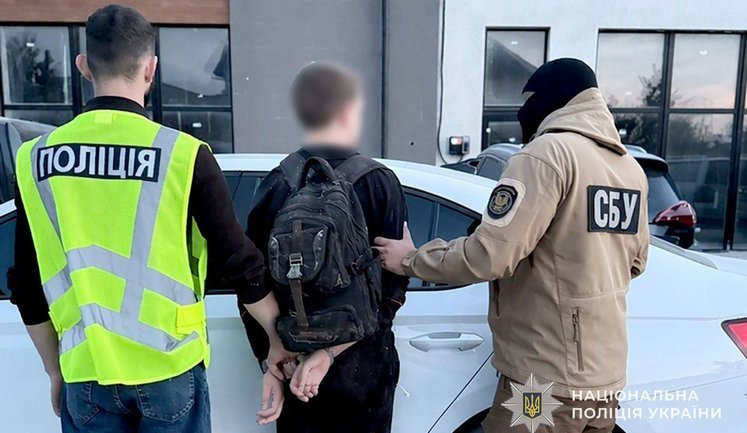
 To save Ternopil from drone attacks, student set fire to two cars: Russians had convinced him that there were transmitters in tyres. PHOTO In Ternopil, a 19-year-old student set fire to two cars in a single night, believing he was helping to prevent Russian drone attacks. According to the investigation, the young man was recruited by Russian security services, who convinced him that devices for guiding attack drones had allegedly... 2 706 21 Previously in trend: recruitment by Russia
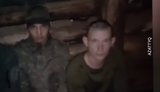 Kazakhstan is negotiating with Russia regarding return of its citizens who were sent to fight in war against Ukraine. VIDEO Kazakhstan is in talks with Russia regarding the return of its citizens who were sent to fight in the war against Ukraine. 2 579 12 Previously in trend: foreign mercenaries in russian army recruitment by Russia
 Teenagers recruited by Russian security services are now being recognized as victims, Prosecutor General’s Office says Minors recruited by Russian security services to commit crimes in Ukraine have begun to be recognized in criminal proceedings as victims as well as suspects. 2 649 23 Previously in trend: Recruitment of Ukrainian teenagers by Russia
 Russia is luring Africans into war against Ukraine under guise of film shoots Russia is using a new scheme to recruit citizens of African countries to fight in the war against Ukraine – potential recruits are being offered the chance to take part in a film shoot. Previously, foreigners were lured to the Russian Federation, in particular with promises of high earnings in... 1 169 10 Previously in trend: recruitment by Russia
 Russia recruits Ukrainians to gather intelligence on Ukrzaliznytsia facilities and military cargo Russia is trying to recruit Ukrainians to collect information about Ukrzaliznytsia facilities and the movement of military cargo. The enemy could use the information to prepare further strikes on railway infrastructure. 600 3 Previously in trend: recruitment by Russia
 Russian special services are stepping up their efforts to recruit relatives of Ukrainian prisoners of war, - SSU. VIDEO The Security Service of Ukraine has noted an increase in attempts by Russian intelligence services to recruit Ukrainians whose relatives are being held captive in Russia. 1 464 1 Previously in trend: Russia’s recruitment of Ukrainians for sabotage
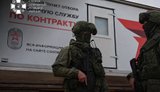 Belarus begins openly recruiting citizens into Russian army for war against Ukraine – FISU Belarus has seen the launch of its first recruitment website in the country’s national domain zone openly offering citizens contracts with the Russian Defense Ministry to take part in the war against Ukraine. Belarusians are being promised tens of thousands of dollars in payments. 2 723 10 Previously in trend: recruitment by Russia
 Kremlin recruits students from occupied territories for war against Ukraine by promising "easy money," – CCD Russia is using the story of a student from temporarily occupied Donetsk to recruit young people in the seized territories into its army. Propaganda presents a military contract as an opportunity to earn "easy money," receive social benefits, and continue studying at the same time. 794 2 Previously in trend: Militarization of children in temporarily occupied territories
 Russian special services are recruiting citizens to carry out terrorist attacks through scheme involving dietary supplements, - Nebytov The Russians have started using a new fraudulent scheme against Ukrainians. Now, when buying dietary supplements, people risk not only losing their savings but also being drawn into committing a particularly serious crime. 5 410 16 Previously in trend: Russia’s recruitment of Ukrainians for sabotage
 Russia raises military contract payments to over 4 million rubles amid shortage of willing recruits – CCD Russian authorities are sharply increasing one-off payments for signing contracts with the Ministry of Defence in an attempt to offset a shortage of people willing to fight against Ukraine. The financial burden is being shifted onto regional budgets, many of which are already in crisis. 2 350 17 Previously in trend: Russian army
 Russia recruits Ukrainians in occupied territories through new MAX messenger – National Resistance Center Residents of the temporarily occupied territories of Ukraine have begun receiving mass messages in the Russian MAX messenger calling on them to join unmanned systems units of the Russian army. 861 3 Previously in trend: recruitment by Russia
 Russia is attempting to recruit Ukrainians by posing as SSU or other law enforcement agencies. VIDEO Russian security services are making widespread attempts to recruit Ukrainians ‘under a false flag’. 2 459 20 Previously in trend: Russia’s recruitment of Ukrainians for sabotage
 Russia wants to recruit further 18,500 foreigners for war against Ukraine, - CCD Russia plans to recruit at least 18,500 foreigners to fight in the war against Ukraine by the end of 2026. 942 2 Previously in trend: foreign mercenaries in russian army
 Russia is using same recruitment model in West as it does in Ukraine, targeting socially vulnerable people, - Tsutsikiridze Russian security services are recruiting residents of Western countries, drawing them into subversive or terrorist activities. 1 847 4 Previously in trend: Russian sabotage
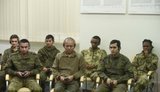 Russia bans deportation of foreigners who participated in war against Ukraine The Russian State Duma has adopted a law banning the deportation of foreigners who signed contracts with the Russian Defense Ministry and took part in hostilities against Ukraine. 1 642 6 Previously in trend: Russia is recruiting foreigners for the war in Ukraine
 Rutte addresses young Russians recruited by Russia for war: You will be left to suffer in mud and die NATO Secretary General Mark Rutte has warned young Russians against taking part in the war against Ukraine. 1 830 23 Previously in trend: Enemy losses
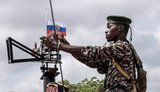 Russia has recruited nearly 3,000 Africans to fight in war against Ukraine As of May 2026, Russia had recruited at least 2,965 citizens from 36 African countries to fight in the war against Ukraine. 801 13 Previously in trend: recruitment by Russia
 Peru is investigating Russia’s recruitment of citizens for war The Peruvian Prosecutor's Office has launched an investigation into recruiters who lured hundreds of Peruvian citizens into the war against Ukraine under the guise of "well-paid jobs" in Russia. 922 1 Previously in trend: foreign mercenaries in russian army
 Ukraine has disrupted recruitment of foreigners into Russian army in six countries and reduced it in 39, — Coordination Headquarters Between 2025 and 2026, Ukraine halted Russian recruitment in six countries and significantly reduced its scale in another 39 countries around the world. 1 412 3 Previously in trend: Migrants in Russia to be recruited for war Russia is recruiting foreigners for the war in Ukraine
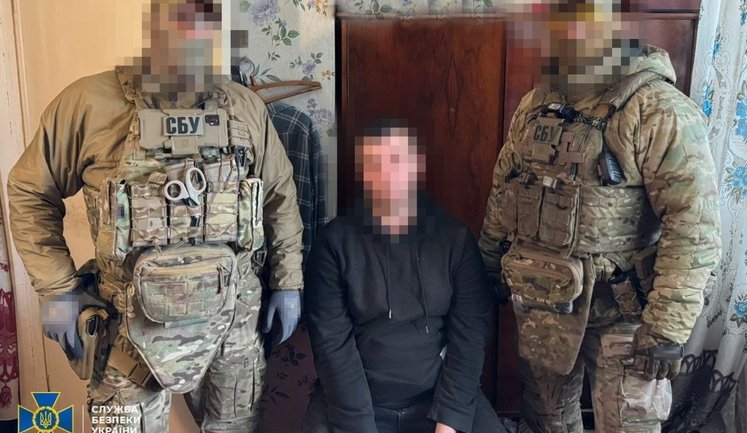
 IT specialist who recruited spotters for Russian strikes detained in Cherkasy region, - SSU. PHOTO An IT specialist from the Cherkasy region was creating new channels for the Russians to recruit local residents. 2 748 11 Previously in trend: Detention of adjusters recruitment by Russia
 "If you go to war, I will have to kill you": Ukrainian soldier foils student recruitment. VIDEO A closed-door event at Kuban State Agrarian University, where students were being persuaded to sign contracts with the Russian Ministry of Defence, ended in an unexpected scandal. 35 601 59 Previously in trend: recruitment by Russia
 Russia’s promises to Kenya to stop recruitment were lies, - Sybiha Ukrainian Foreign Minister Andrii Sybiha commented on reports that Russia is deploying Kenyan mercenaries in combat operations. 1 272 6 Previously in trend: African mercenaries of Russian army foreign mercenaries in russian army
 Russia uses recruited Kenyans as cheap cannon fodder, - Sybiha Russia's illegal recruitment in Africa evokes the worst associations with colonial practices of the past. 1 235 19 Previously in trend: recruitment by Russia
 Russia is deceitfully recruiting Bangladeshi citizens to fight against Ukraine, - AP Russian recruiters lure Bangladeshi citizens to Russia under the guise of civilian job offers, then forcibly send them to fight in the war against Ukraine. 929 7 Previously in trend: recruitment by Russia
 South Africa investigates involvement of its citizens in war in Ukraine The South African government has announced an investigation into the recruitment of 17 citizens to participate in combat operations in the Russian-Ukrainian war. 1 360 2 Previously in trend: Russia is recruiting foreigners for the war in Ukraine
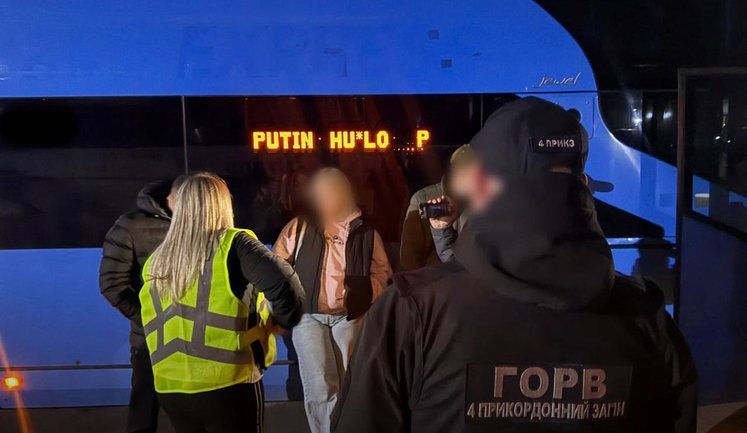
 Recruited women for sexual exploitation in EU: 20-year-old local resident detained in Kharkiv, - SBGS. PHOTOS In Kharkiv, police detained a 20-year-old local resident who, according to the investigation, organised the recruitment of women and their illegal departure to EU countries under the pretext of employment. 3 710 16 Previously in trend: Sexual exploitation
 Estonian Prime Minister Mihal: It is becoming increasingly difficult for Russia to operate in our country, so it is recruiting people here It is becoming increasingly difficult for Russian special services to conduct operations on Estonian territory, so they are trying to recruit people directly in Russia. 679 0 Previously in trend: recruitment by Russia
 US records sharp increase in number of Cubans fighting on side of Russia against Ukraine - Reuters The United States has reported that approximately 5,000 Cubans are participating in the war against Ukraine on Russia's side. According to Censor.NET, Reuters reports this with reference to US officials. 4 771 18 Previously in trend: Russian agression
 Russia recruits women from Africa, Asia, and Latin America for drone production, - Foreign Intelligence Service Russia is expanding its recruitment program for the production of strike drones, attracting young women from Africa, Asia, and Latin America. 1 294 16 Previously in trend: Ukraine Intelligence
 Russian Federation recruits migrants via Telegram for crimes in Europe - Czech intelligence Russia is using migrants from outside the EU to commit crimes, increase fear, and undermine trust in European governments. 2 333 15 Previously in trend: Russian subversions in EU
 Media: Russian special services find it increasingly difficult to recruit agents in Estonia Russian special services are facing increasing difficulties in recruiting agents in Estonia. 1 430 6 Previously in trend: Recruited FSB agents
 Almost 50 children reported to police about Russian attempts to recruit them More and more children are reporting to the police about Russian attempts to recruit them through messengers and social media. 3 061 10 Previously in trend: Recruitment of Ukrainian teenagers by Russia
 Teenagers reported attempt to recruit them by FSB employees: they were awarded, - SSU. PHOTOS Two teenagers from Kryvyi Rih who refused to work for the FSB and informed law enforcement officers about an attempted recruitment by the Russian special services were awarded. 8 122 32 Previously in trend: Recruitment of Ukrainian teenagers by Russia FSB recruits Ukrainian teenagers
 Video of Russians recruiting Chinese to fight in Ukraine is published on Chinese social media - Guardian Chinese social media, which are subject to strict and rapid censorship, allow Russians to use them for their own purposes. In particular, to publish videos that campaign for participation in Russia's war with Ukraine. 7 781 41 Previously in trend: Participation of Chinese nationals in the war against Ukraine Chinese mercenaries in Russian army
 In times of war, one should be doubly attentive to children, especially when enemy tries to use them - Nebytov Adults should talk to children and pay attention to them, especially now that the enemy is trying to recruit them to commit crimes. 692 5 Previously in trend: Recruitment of Ukrainian teenagers by Russia countering terrorist attacks
 Russia, China try to recruit US officials unhappy with massive dismissals - CNN Most of the efforts are focused on employees with access to state secrets and those who may have valuable information about critical infrastructure and the US government bureaucracy. 3 792 18 Previously in trend: recruitment of dismissed US civil servants mass dismissals in the US
 First mercenary from Africa, who fought on side of RF, killed in Kursk region. PHOTO A 32-year-old African mercenary, Derrick Ngamana, who fought against Ukraine on the side of the aggressor country, Russia, was killed in the Kursk region near Sudzha. He became the first citizen of the Central African Republic to be identified among the killed Russian mercenaries in the Kursk... 10 421 30
 Occupiers recruit Ukrainians to Russian state structures through new programs - NRC The occupation authorities of Russia have launched a new campaign to recruit residents of the temporarily occupied territories of Ukraine to the state structures of the Russian Federation. 1 430 4
 Russians in occupied territories recruit bank debtors: promise to write off loan debts - National Resistance Center Russians in the occupied territories promise to write off loan debts if the debtor signs a contract with the Russian army. 2 537 23
 India returns 85 of its citizens recruited by Russia for war against Ukraine - Foreign Ministry India has returned home 85 of its citizens who were recruited by Moscow into the Russian army and sent to the war against Ukraine. 1 895 5
 RF persecutes migrants to recruit them into army - British intelligence On 31 July 2024, the Russian State Duma approved a draft law to deprive naturalized citizens of their citizenship if they do not register for military service. The draft law was co-authored by State Duma Speaker Vyacheslav Volodin, which indicates the Kremlin's approval. 1 569 8
 About 40 arson attacks on Armed Forces vehicles have already been recorded in Kharkiv region. Most of arsonists are under 18 years old - Syniehubov In Kharkiv and the region, about 40 cases of arson attacks on the vehicles of Ukrainian defenders were recorded. The arsonists are mostly teenagers aged 12 to 18. 6 975 111
 Russia will pay 100,000 rubles for recruiting relatives and friends for war against Ukraine The authorities of the Yaroslavl region of the Russian Federation will pay 100,000 rubles for each person whom Russians persuade to go to war against Ukraine. 1 997 13
 Russia recruits teenagers for war against Ukraine - National Resistance Centre The Kremlin is actively looking for manpower to replenish the unprecedented losses in Ukraine. The Russians have resorted to recruiting teenagers. 2 368 18
RF offers thousands of dollars to Ukrainian children for arson of AFU vehicles - Lubinets The aggressor country is recruiting underage Ukrainians to set fire to vehicles of the Ukrainian Armed Forces. For this, the enemy offers a monetary reward of several thousand dollars. 9 394 100
 SSU exposes 11 agent networks since beginning of 2024 - Maliuk Since the beginning of 2024, the Security Service of Ukraine has already exposed 11 agent networks. In 2023, 47 agent networks were exposed. 1 253 19
 RF has begun to actively recruit women from penal colonies for war against Ukraine - National Resistance Center Russian occupants recruit female prisoners to fight against Ukraine. For this, they are promised money and the opportunity to return home. 1 356 11 Previously in trend: War
 Prisoner-agent of FSS, who recruited convicts in colony and planned to help Russian SRG in north of Ukraine, was exposed - SSU. PHOTO The SSU foiled new attempts by the FSB to create its own agent network in the border areas of northern Ukraine. The offenders were supposed to collect intelligence on the Defence Forces and facilitate the breakthrough of Russian sabotage and reconnaissance groups. Thus, in a penal colony in the Zhytomyr region, an FSS agent was exposed who was recruiting other prisoners for subversive activities against Ukraine. 4 763 10
Page 1 of 2
more news