



Spotters who directed strikes against critical infrastructure and air defence systems in six regions have been sentenced to life imprisonment
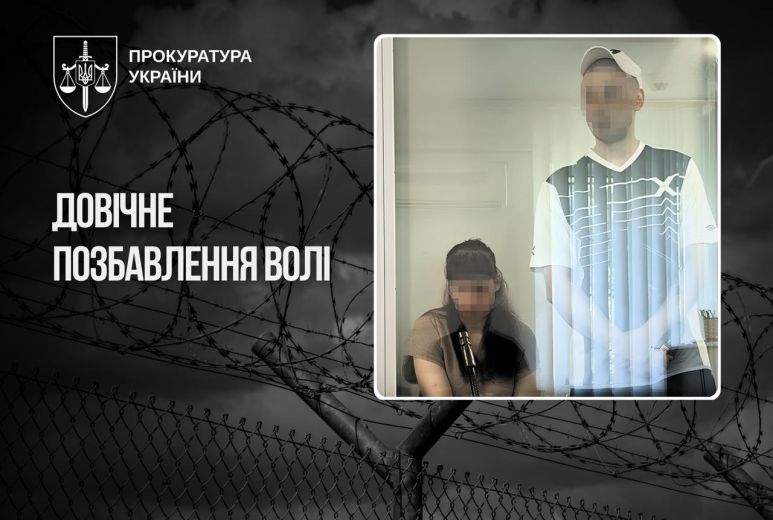
Prosecutors from the Donetsk Regional Prosecutor’s Office proved in court the guilt of two agents of the Russian secret services who were carrying out the enemy’s orders in six regions of Ukraine.
This was reported by the press offices of the SSU and the Office of the Prosecutor General, according to Censor.NET.
Details
The court found the 29-year-old man and his 36-year-old partner guilty of treason, and the woman was also found guilty of money laundering.
It was proven in court that in the autumn of 2023, a resident of Kramatorsk, who had previously been convicted three times for property offences, used the ‘Telegram’ messaging app to pass on information about the consequences of missile and bomb strikes on infrastructure facilities to a representative of an enemy intelligence service in exchange for 200 US dollars.
In April 2024, he agreed to carry out tasks for the Russian Federal Security Service (FSB) on a permanent basis in return for financial remuneration. A few months later, whilst in a remand centre in connection with a case involving the theft of headphones, the man recruited his partner to work for the Russian security service and briefed her on what to do next.
After his release from custody, they carried out the supervisor’s assignments together in the Donetsk, Poltava, Kirovohrad, Kyiv, Cherkasy and Sumy regions.
On the curator’s instructions, they purchased mobile phones online for video surveillance and installed them in rented flats near windows overlooking critical infrastructure sites and military airfields. They then connected the equipment to batteries to ensure uninterrupted data transmission to the occupying forces, and subsequently returned to some of the locations to check that it was working properly.
A remote access programme was installed on all devices, enabling the Russian security services to monitor strategically important sites in real time. Subsequently, missile strikes were carried out on some of these locations, including the Kyiv Hydroelectric Power Station.
Using the same method, the accomplices hid pre-prepared equipment along a road in the Kramatorsk district. They took videos and photographs of air defence systems, hydroelectric power stations and other facilities, before sending the footage to their handler.
A total of 27 instances of criminal activity have been documented. By aiding the aggressor state, the convicted individuals managed to earn over 1.2 million hryvnias. The woman, in particular, spent part of the funds obtained illegally on the purchase of a house in the Donetsk region.
Both were awaiting the court’s verdict in custody.


