



Documentary "Distance to Independence" about Canadians who supported Ukraine’s independence in 1991 presented in Canada. PHOTOS
The documentary "Distance to Independence" was presented in Canada for the first time as part of the Danyliw Research Seminar on Contemporary Ukraine at the University of Ottawa. The film tells the story of Ukrainian Canadians’ contribution in the run-up to Ukraine’s nationwide referendum in 1991.
Censor.NET reports.
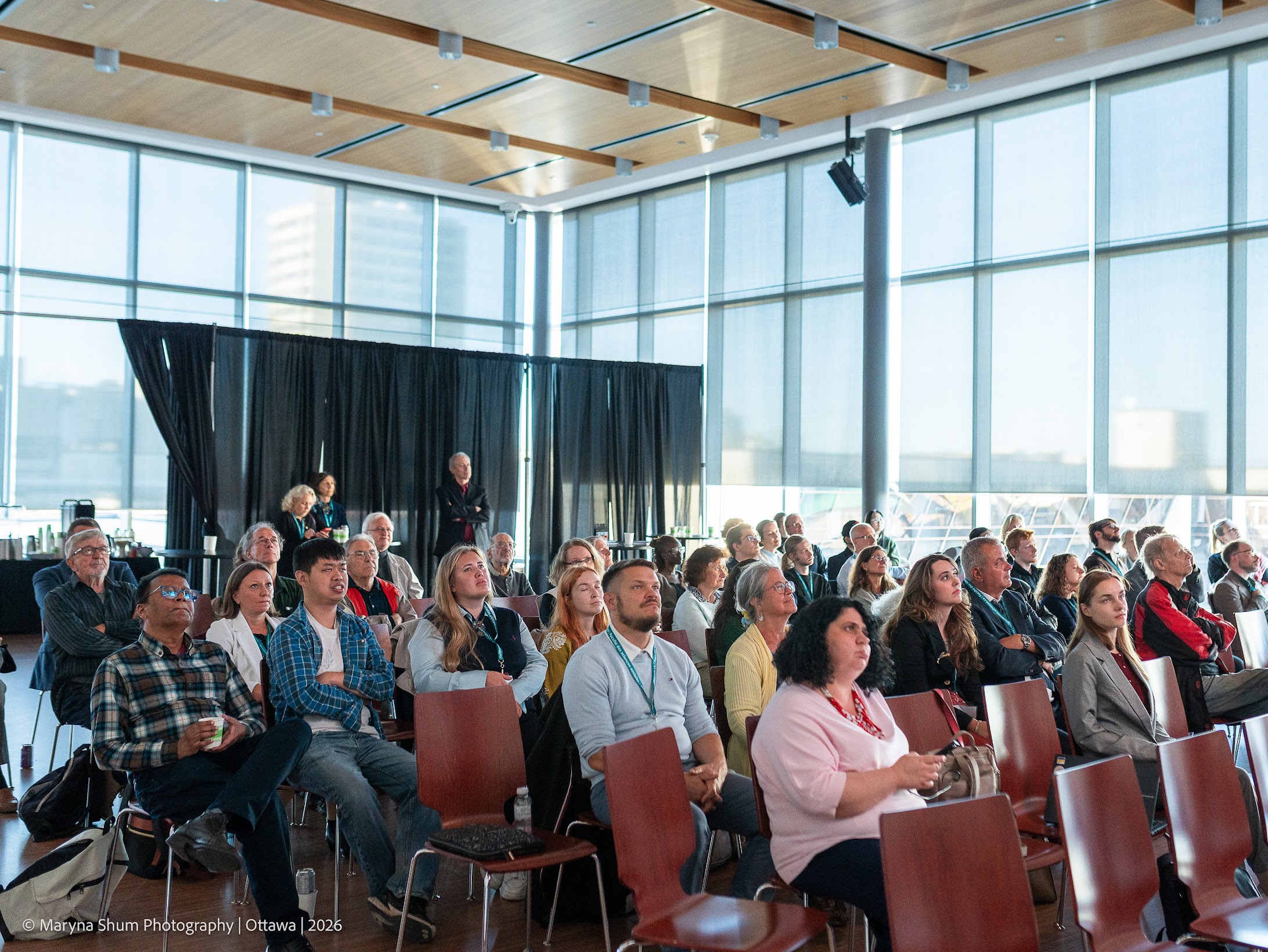
The screening took place as part of the annual Danyliw Seminar, an international academic forum bringing together scholars, experts and students who study contemporary Ukraine.
The audience included scholars, researchers and students, as well as the film’s producer, Anna Palenchuk, and one of its central figures, Borys Wrzesnewskyj.
What the film is about
The film centres on a little-known story from 1991. Around 80 young Canadians and Americans of Ukrainian descent travelled to Ukraine ahead of the December 1 referendum to talk to people about independence, democracy and the future of the Ukrainian state.
The campaign participants travelled across different regions of the country, including the Donbas, visiting Mariupol and Donetsk. They met with miners, workers, students and young people, distributed information materials and encouraged people to support Ukraine’s independence.
One of the campaign’s organisers was Borys Wrzesnewskyj, a Canadian businessman, civic activist and former member of Canada’s parliament who was elected four times to represent Etobicoke Centre. He brought together the young members of the Ukrainian diaspora who travelled across Ukraine ahead of the historic referendum.
In 1991, Wrzesnewskyj travelled around the country with a home video camera, filming everything for his personal archive. Decades later, these recordings became one of the key elements in the creation of "Distance to Independence". The team received around 20 tapes, which were digitised in Toronto. This footage made it possible to see the events of 1991 through the eyes of people who had taken part in them. The idea for the film emerged after a chance meeting in Toronto. Anna Palenchuk met Taras Hula, who told her how he had travelled from Canada to Mariupol in 1991. His story became the starting point for the documentary project.
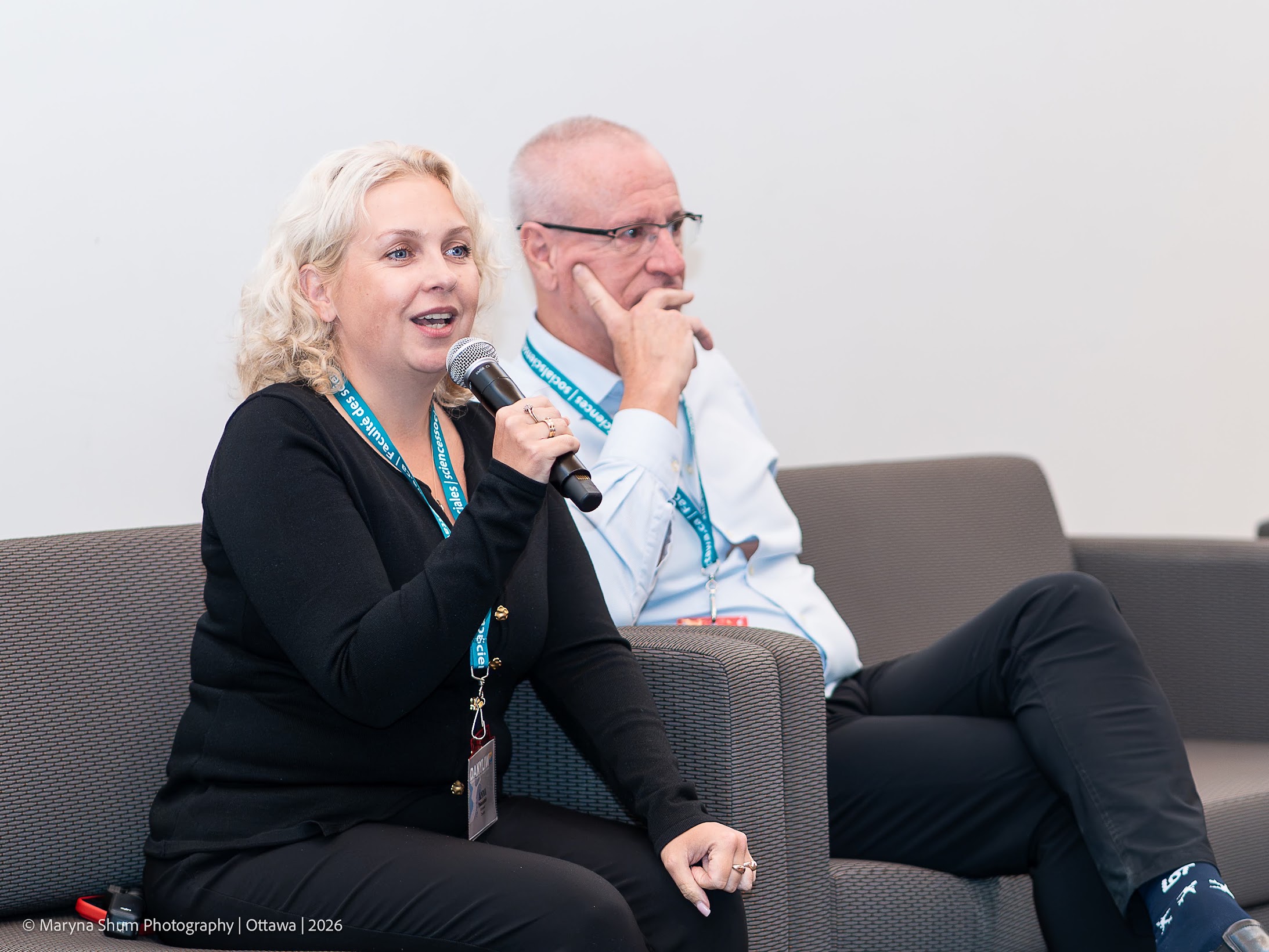
After the screening, Borys Wrzesnewskyj and Anna Palenchuk took part in a discussion with the audience.

"For me, as the producer of ‘Distance to Independence’, it was important to present the film at the Danyliw Research Seminar in Ottawa," Anna Palenchuk said. "This gives us an opportunity to talk about Ukraine and its path to independence through the language of documentary film — through real stories and personal experiences."
Akim Halimov and the "Real History" team joined the project on the Ukrainian side. Halimov became the project’s Ukrainian producer after being recommended by producer Khrystyna Shkrabar. The "Real History" team worked with archives and historical materials, helping to reconstruct the context of the events of 1991.
Unique archives and discoveries
Unique archival materials from John Hewko, an American of Ukrainian descent, also became an important part of the film. In 1991, he worked on an advisory committee of Ukraine’s Verkhovna Rada. His printer was used to print the ballots on which members of parliament voted to proclaim Ukraine’s independence on August 24, 1991. Hewko also filmed historic events with his own video camera, and this footage was included in the film as a record made by a direct participant in those events.
During the project’s development, the team recorded around 30 interviews. These helped reconstruct the course of events in 1991, identify people who would feature in the film, and gather their personal recollections.
Filming took place in three countries: Ukraine, Canada and Poland. Some footage in Ukraine and Canada was filmed simultaneously, with live conversations arranged between participants in the two countries. In Poland, the team also recorded an interview with Anne Applebaum near Gdańsk. The Ukrainian film crew worked amid air raid alerts, shelling, drone attacks and a curfew.
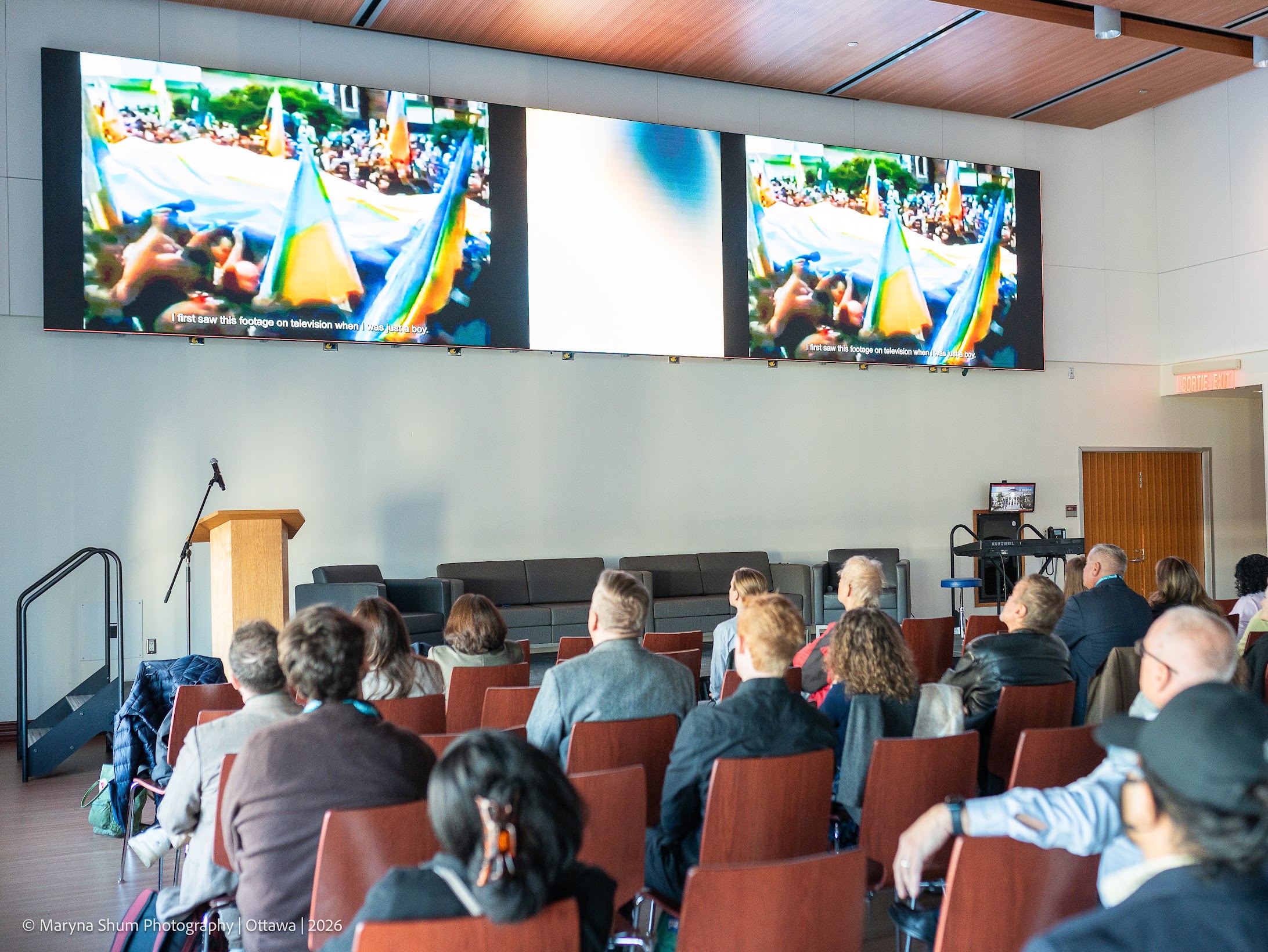
The archive itself effectively became a character in the film. During production, the team particularly lacked materials showing the life of the Ukrainian diaspora in Canada in 1991. Roman Waschuk unexpectedly found some extremely valuable recordings, including television news from that period, on an old tape at his mother’s home. This footage helped piece together the film’s story, and the team is especially grateful to the Waschuk family for preserving it.
This discovery is another reminder of how important it is to preserve and archive photographs, letters, tapes, and home videos. What seems today to be merely a family memory may become important historical evidence decades later.
"Distance to Independence" is not only about past events. It is also a story about the strength of the global Ukrainian community, about how the Ukrainian diaspora preserves its identity across generations and how connections between Ukrainians in different countries can become a tangible resource for Ukraine at critical moments in its history.
The film shows that Ukraine’s independence in 1991 was the result not only of political decisions within the country, but also of years of work by people abroad, those who preserved Ukrainian identity, maintained political ties, persuaded Western societies and, at the decisive moment, travelled to Ukraine in person.

Screening locations
The film has already been released in cinemas in Ukraine. A series of screenings in Canada will begin in November and run until December 2026. Screenings are planned in Toronto, Ottawa, Montreal, Vancouver, Calgary and Edmonton.


