



"Koretskyi’s barrier" and UAH 153 billion in debt: Kostiuk warns of threat to heating season
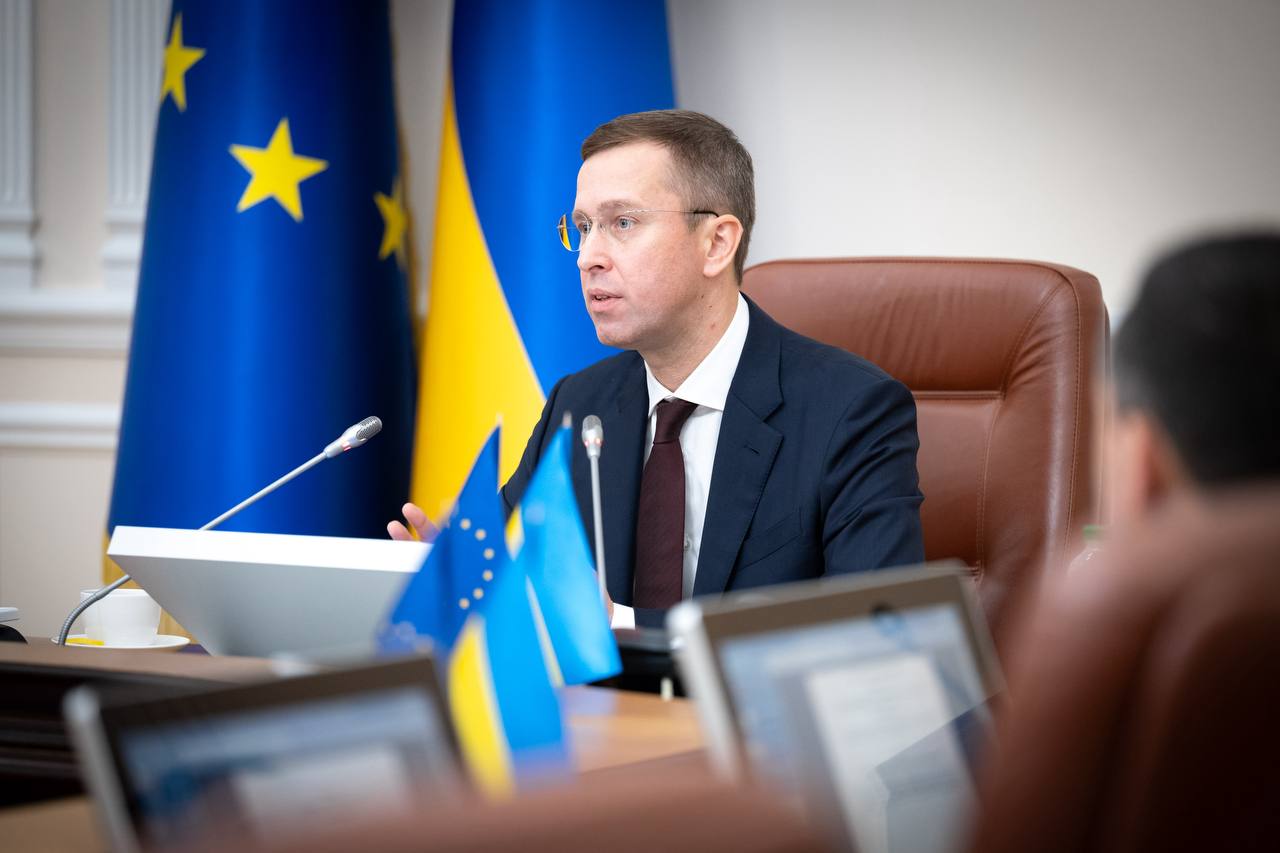
MP Dmytro Kostiuk warned that the heating season could be disrupted in dozens of Ukrainian cities because of unresolved debts owed by district heating companies, lawsuits filed by Naftogaz, and frozen accounts. He said the government had failed to resolve a situation that has been building since 2021, with just days remaining before the heating season begins.
According to Censor.NET, Kostiuk made the statement during a speech in the Verkhovna Rada on the country’s preparations for winter.
A full government question time session could not take place that day because of an air raid alert. Kostiuk said Cabinet representatives left parliament after the alert was announced, leaving MPs without answers to questions about getting through the heating season.
"Unfortunately, we never received an answer to one of the key questions: how we will get through the heating season. A question I raised back in the summer of this year, raised many times, with both the previous Cabinet and this Cabinet," the MP said.
According to Kostiuk, district heating companies owe Naftogaz and other state organizations more than UAH 153 billion in total. He stressed that the problem has remained unresolved since 2021, when a memorandum was signed on settling debts and covering the difference between regulated tariffs and actual costs.
"This is an issue that has remained unresolved since 2021, when the state effectively deceived this country’s regional heating companies, drew up a memorandum that does not work, and debts accumulated," the MP said.
According to him, instead of settling the debt issue, Naftogaz began suing district heating companies, resulting in their accounts being frozen and restricting their ability to operate.
"Naftogaz, under Mr. Koretskyi’s leadership, began suing these organizations. Their accounts are being frozen, they cannot conduct business, and now we have just days left before the heating season begins. No one is resolving this problem," Kostiuk said.
The MP also criticized the government’s position on local authorities’ responsibility for compensating for the tariff shortfall. He said that during government question time in the summer, he had raised the issue with then-Energy Minister Denys Shmyhal, who, according to the lawmaker, shifted responsibility for resolving the problem onto local authorities.
"He shifts all responsibility onto local authorities, which supposedly should have covered the tariff shortfall, which supposedly should have saved the heating season, as though they had the money," Kostiuk said.
Meanwhile, according to the MP, the situation has been compounded by the freezing of municipalities’ own accounts. Kostiuk claims this limits local authorities’ ability to fund current needs and prepare for the heating season.
"They cannot even pay to clean up their municipalities now, let alone pay heating bills," the MP said.
Kostiuk recalled that the Verkhovna Rada had considered legislative proposals that he believed could help resolve the problem. In particular, he mentioned an amendment that the parliamentary energy committee had not supported.
"I remember the bills being circulated in parliament, the amendment that would have resolved this problem, the amendment that the Verkhovna Rada’s energy committee did not support," he said.
According to the MP, the committee’s chair had previously explained that, following the change of prime minister, the new head of government, who has experience in the energy sector, should resolve the situation.
"Enough time has already passed, the issue is not being resolved at all, and heating companies are contacting me, including Zviahelteplo, saying that the situation is critical and our heating season is at risk," Kostiuk stressed.
Earlier, journalist and expert Serhii Liamets said that the blocking of local budget payments might be an attempt to establish discretionary control over municipal finances rather than a consequence of insufficient funds. He described the mechanism as a "barrier" through which some payments are allowed to pass while others are blocked at officials’ discretion.
"The scheme, if their account is confirmed, is almost absurdly simple: there is a figurative barrier, with Prime Minister Serhii Koretskyi and, according to them, Head of the State Treasury Service Tetiana Sliuz standing beside it. Some payments are allowed through, while others are blocked," Liamets wrote.
He also suggested that blocking payments could create corruption risks if anyone were to receive an improper benefit in exchange for unblocking them. "And if someone receives an improper benefit in exchange for unblocking payments, that is a matter for law enforcement," the journalist stressed.


