


U.S. allies fear that Trump will step up pressure on NATO after congressional elections, - Politico
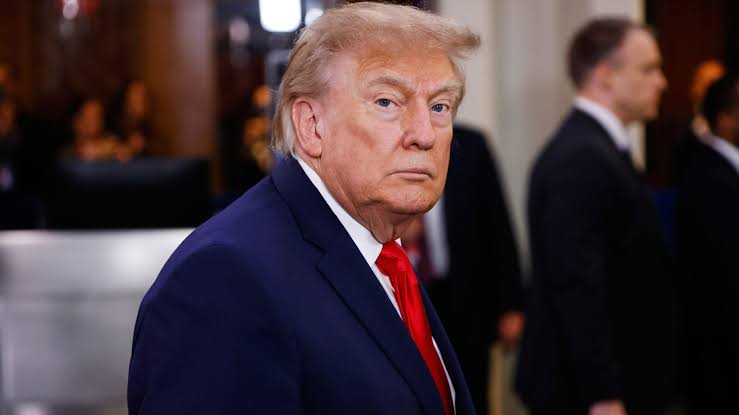
The United States' European allies fear that President Donald Trump may intensify pressure on NATO following the midterm congressional elections, which will take place on November 3.
This was reported by Censor.NET, citing a Politico article.
If the Republicans lose control of Congress, the U.S. leader may resort to reducing the U.S. military presence in Europe and cutting funding for the Alliance.
Europe is preparing for a possible reduction in U.S. troops
According to five NATO diplomats, European countries are preparing for a worst-case scenario following the U.S. elections. They suggest that if Republicans lose control of Congress, it could prompt Trump to exercise his foreign policy powers more aggressively.
The diplomats explain this by noting that a Democratic majority in Congress would be able to block or limit the president’s domestic policy initiatives. In contrast, Trump would have greater freedom of action on defense and international relations.
One high-ranking European defense official noted that toward the end of a presidential term, pent-up frustration often leads to foreign policy adventures. He also emphasized that criticism of NATO remains a constant feature of Trump’s political views.
The greatest concern is the review of U.S. troop levels in Europe scheduled for December. According to three diplomats, the U.S. president may expand the scale of troop withdrawals, in part to mobilize his own supporters.
Trump may cut NATO funding and aid to Ukraine
Among other possible steps Washington might take, Politico’s sources cite:
- a reduction in U.S. contributions to NATO's common budget;
- restrictions on the PURL program, under which European allies purchase U.S. weapons for Ukraine;
- further rapprochement between the U.S. and Russia.
Former NATO spokesperson Oana Lungescu suggested that the White House might link the maintenance of the U.S. military presence in Europe to the allies’ support for Washington’s proposed peace settlement for the war in Ukraine.
In her view, the issues of U.S. troops, support for Ukraine, and European security could become part of broader agreements with Russian dictator Vladimir Putin.
Will Europe be able to compensate for the reduction in U.S. troops?
U.S. law stipulates a minimum U.S. military contingent in Europe of 76,000 personnel. At the same time, experts doubt that this requirement will necessarily prevent the Trump administration from making a large-scale reduction in its presence.
Jennifer Kavanagh, a senior research fellow at the Defense Priorities think tank, noted that it will be difficult for European countries to compensate for the loss of U.S. capabilities in the areas of air defense, electronic warfare, intelligence, aerial refueling, and logistics.
At the same time, not all Alliance members share these pessimistic forecasts. Montenegro’s Minister of Defense, Dragan Krapović, pointed out that speculation about a possible U.S. withdrawal from NATO arises regularly, but it has not happened yet.
In response to these concerns, the White House emphasized Trump’s contribution to increasing allies’ defense spending. In particular, the presidential administration cited agreements to increase NATO countries’ defense spending to 5% of GDP by 2035.
Neither NATO nor the Pentagon responded to Politico’s inquiries regarding a possible reduction in the U.S. military presence.


