


Former contract soldier acting on behalf of Russian Federation attempted to blow up commander of Special Operations Forces (SOF) special operations unit: assassin has been detained, – SSU. PHOTOS
The SSU’s military counter-intelligence unit in the Kharkiv region, with the assistance of the Commander-in-Chief of the Armed Forces of Ukraine and the Command of the Special Operations Forces of the Armed Forces of Ukraine, foiled a contract killing of the head of one of the largest classified units of the Defence Forces.
This was reported by Censor.NET, citing the SSU press centre.
Hitman was planning to kill the commander of a Special Operations Forces special operations unit
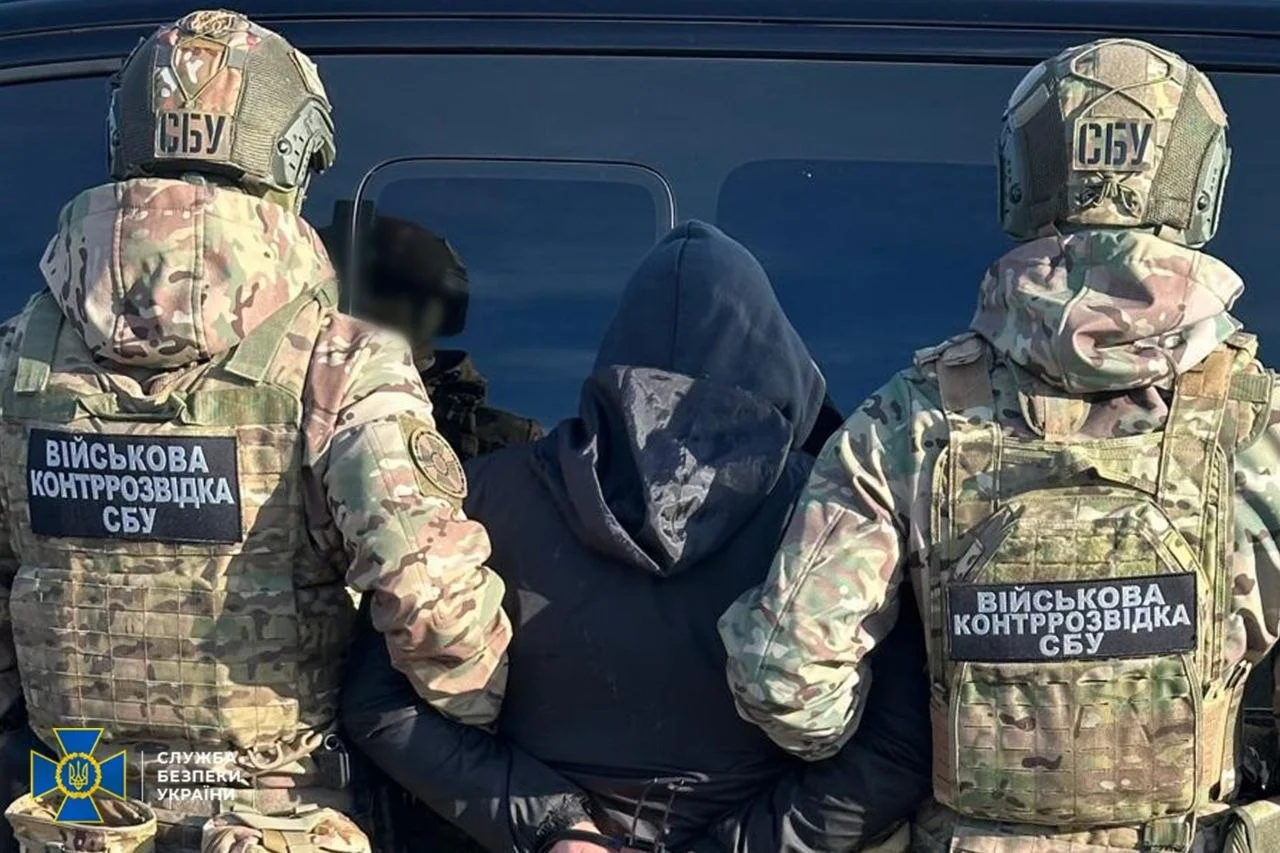
Following pre-emptive operations in Khmelnytskyi, a Russian military intelligence agent (better known as the ‘GRU’) was detained whilst attempting to assassinate the commander of a Special Operations Forces special operations unit.



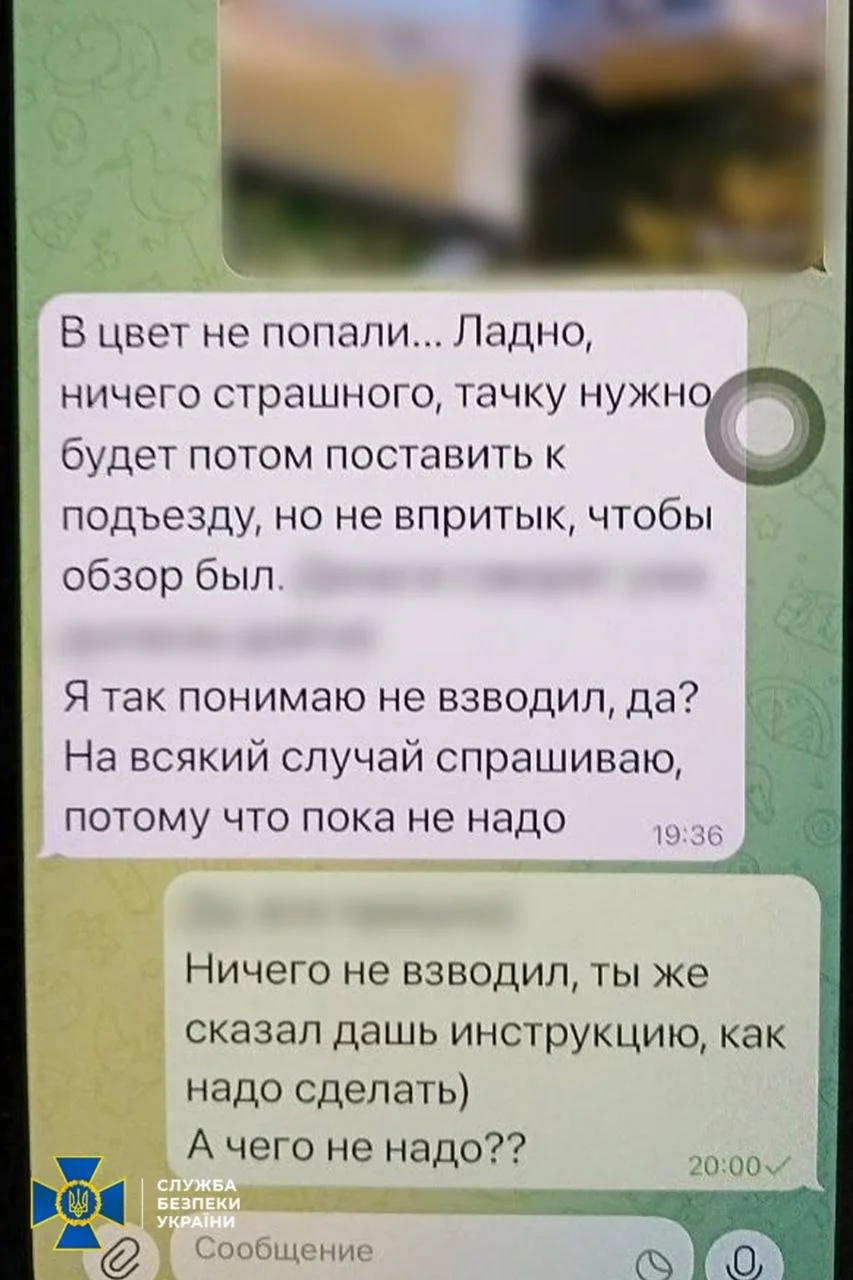
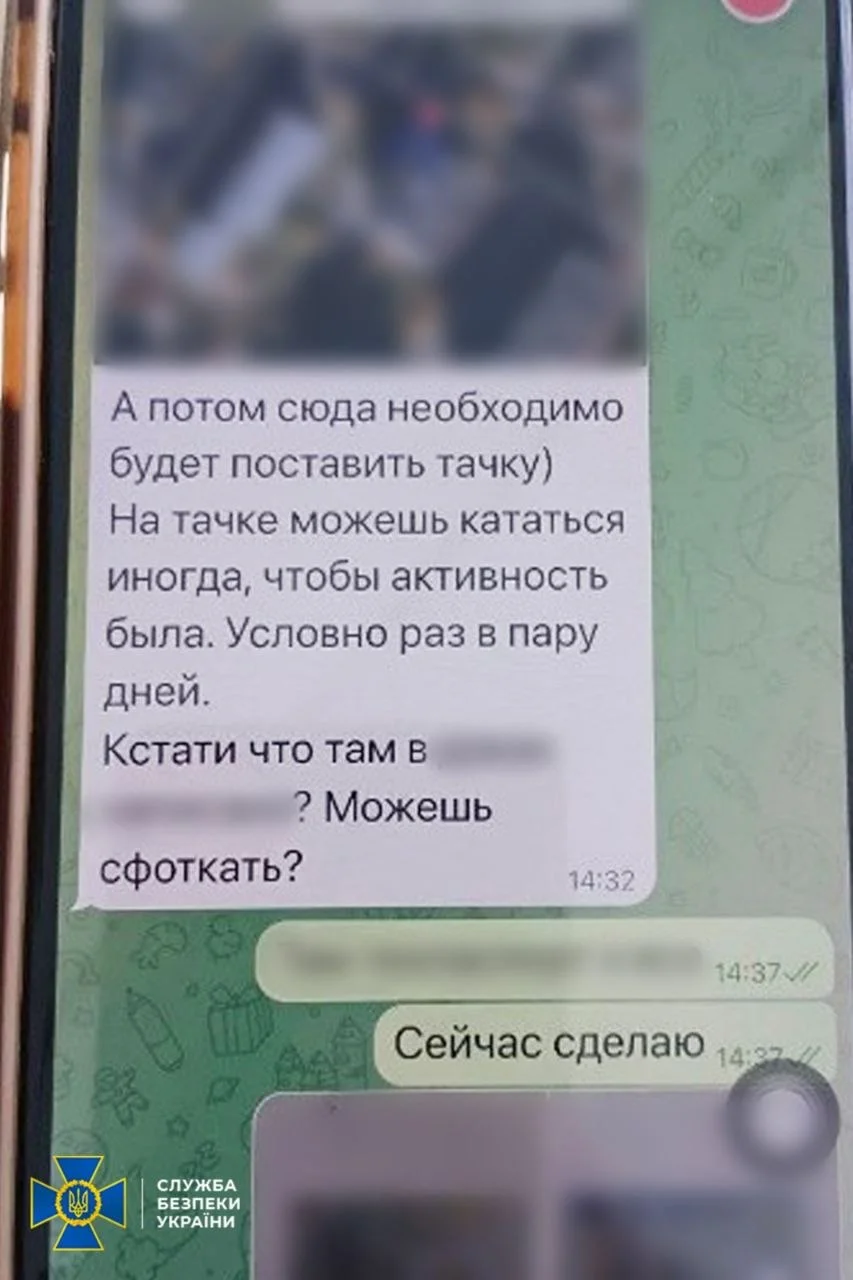
As the investigation revealed, the suspect planted explosives in his ‘own’ SUV and parked it near the entrance to the block of flats where the Ukrainian special forces officer lived.
It has been established that the car door contained a homemade bomb consisting of half a kilogramme of plastic explosive, 10-millimetre-diameter metal balls, bearing rollers and lead components.
According to instructions from the Russian secret service, the agent was to detonate the explosives from an ambush the moment the officer walked past the car.
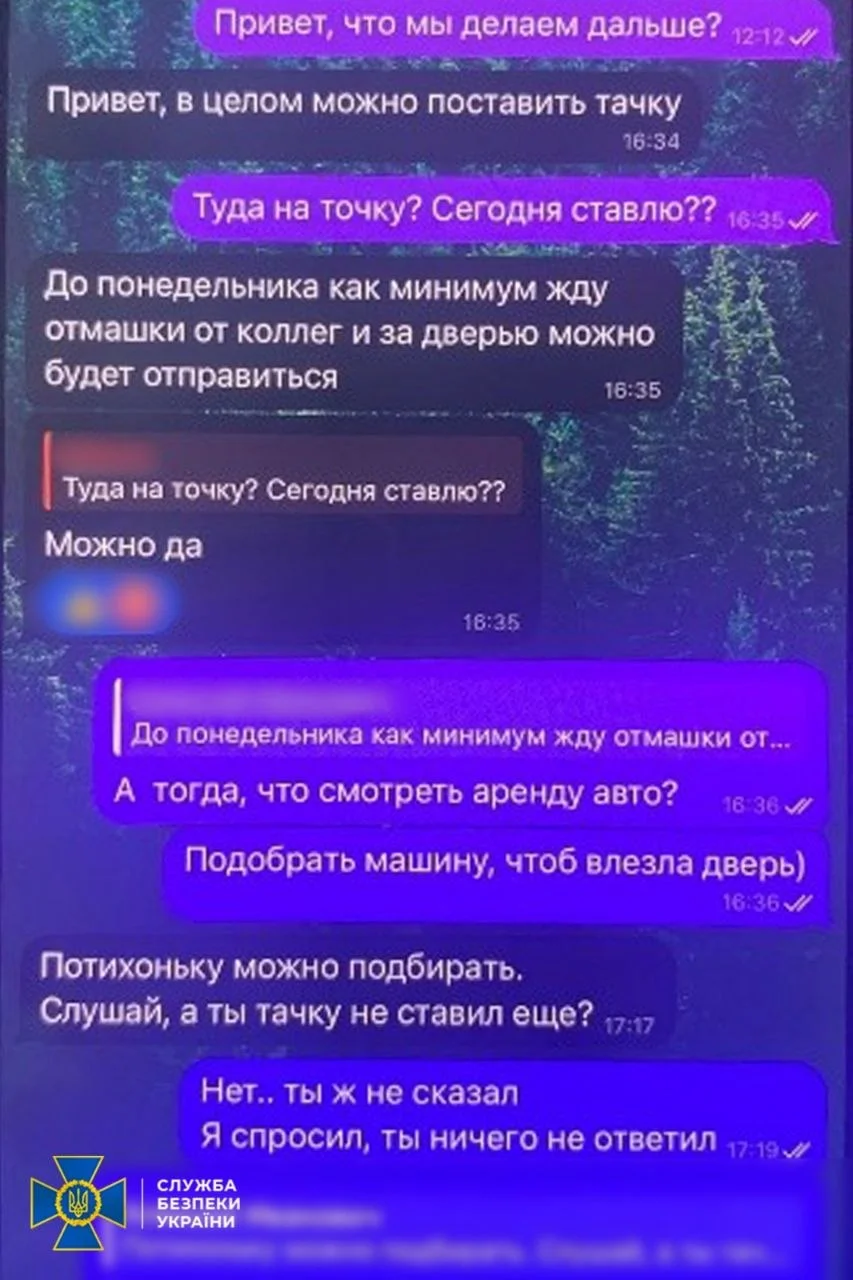
Another car was parked near the building entrance, in which the perpetrator had installed a dashcam with remote access for the Russian Federation. The enemy needed this to record the moment of the explosion.
"The Russians planned to use the footage of the planned terrorist attack to carry out information and psychological special operations aimed at destabilising the internal situation in Ukraine," the SSU explained.
The arrest
SSU officers foiled the enemy’s plot in time and arrested the hitman "red-handed" a few metres from the planned explosion site, just as he was about to press the remote control button for the homemade bomb.
What is known about the traitor?
According to the case file, the plot was organised by a former contract soldier from Kharkiv who had been recruited by a Russian gru and who had left the service in 2024 on health grounds.
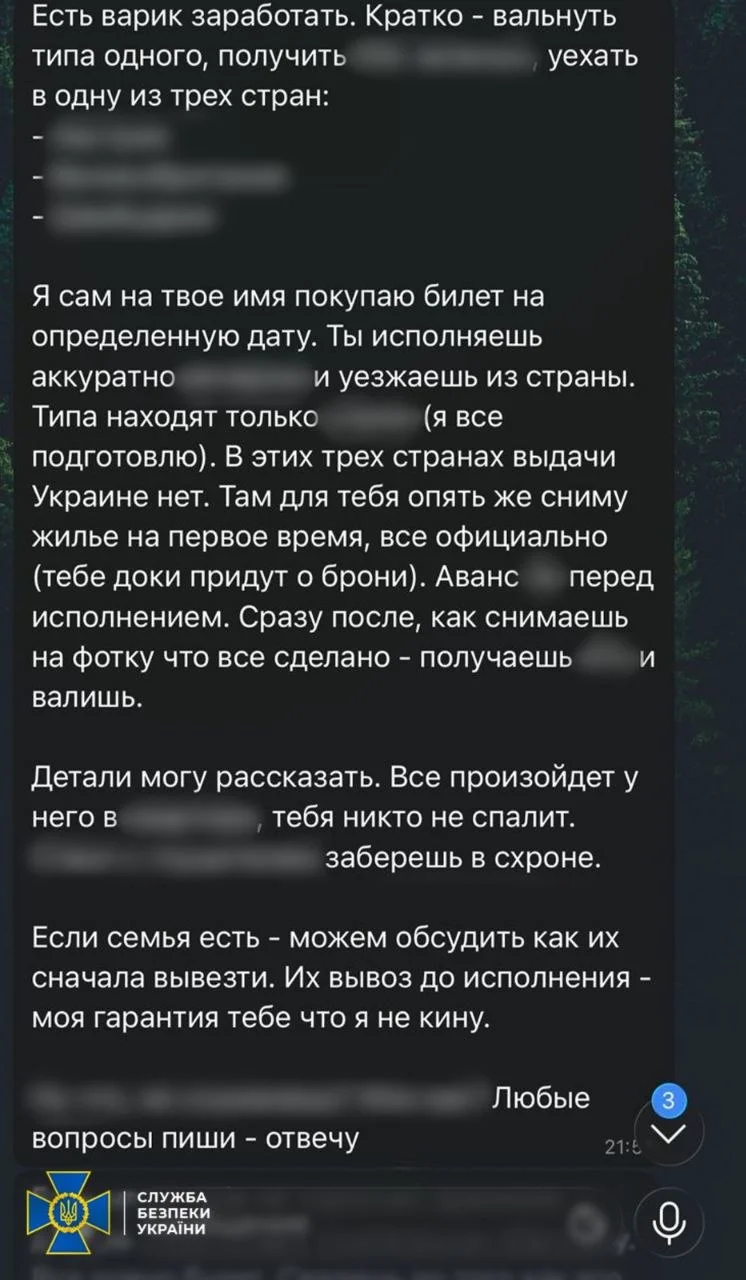
The man came to the attention of the Russian security services whilst searching for ‘quick’ money on specialist Telegram channels.
After being recruited, the agent was given a ‘test assignment’: to reconnoitre the locations of reserve command posts and where Defence Forces vehicles were parked in the regional centre.
Details of the assassination plot
Later, the Russians ‘dispatched’ him to Khmelnytskyi to carry out an assassination attempt on the commander of a Special Operations Forces unit.
To carry out this hostile mission, the agent rented a flat near the Ukrainian officer’s home and installed a CCTV camera on the balcony.
Using the concealed device, the suspect monitored the soldier’s daily routine and travel routes.
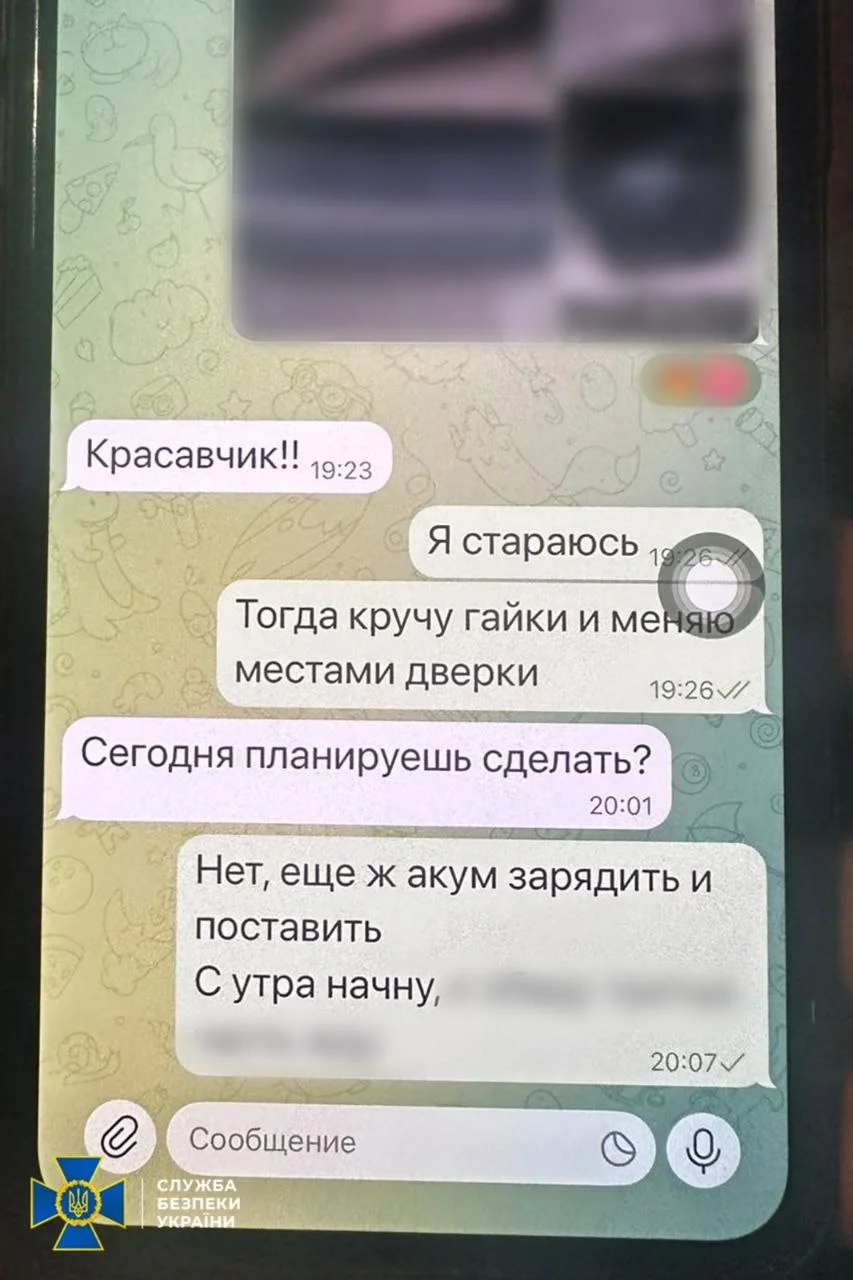
The suspect then retrieved a car door from a hideout, into which a homemade explosive device had been pre-installed.
In a rented garage, the agent fitted them to a crossover, which he had previously driven from Kharkiv along with another car to film the explosion.
In the event of the Ukrainian soldier’s murder, the Russian agents promised the hitman ‘immediate evacuation’ to the Russian Federation via third countries, with Russian citizenship being arranged.
During searches, a smartphone was found on the detainee containing anonymous chat rooms, which he periodically changed to maintain covert contact with the Russian gru.
Suspicion
- Investigators from the Security Service informed the agent that he was suspected of an offence under Part 2 of Article 111 of the Criminal Code of Ukraine (high treason committed under martial law).
- The suspect is in custody without the right to bail. He faces life imprisonment with confiscation of property.
- The special operation was carried out by the SSU’s military counter-intelligence unit in conjunction with investigators from the Security Service’s Kharkiv Regional Office, under the procedural supervision of the Kharkiv Regional Prosecutor’s Office.


