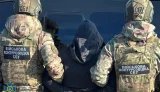
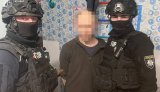
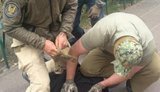
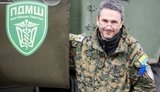
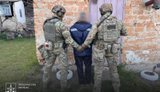
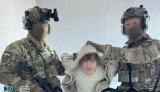
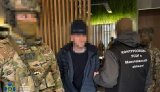
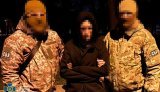
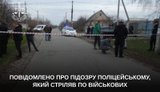
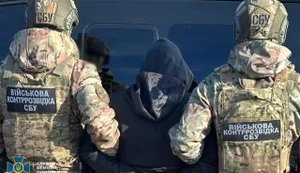
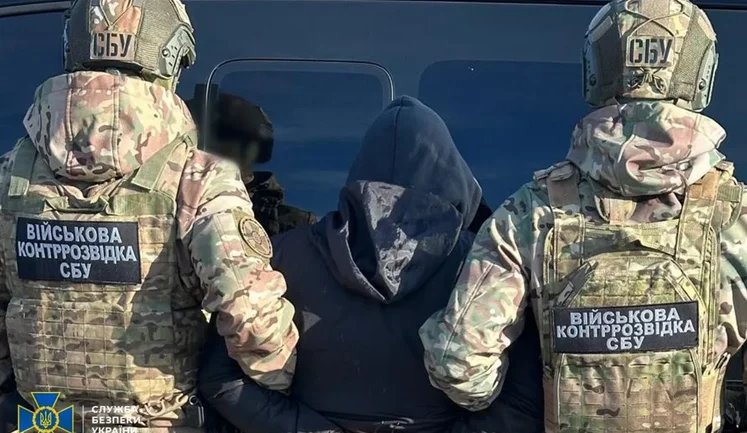
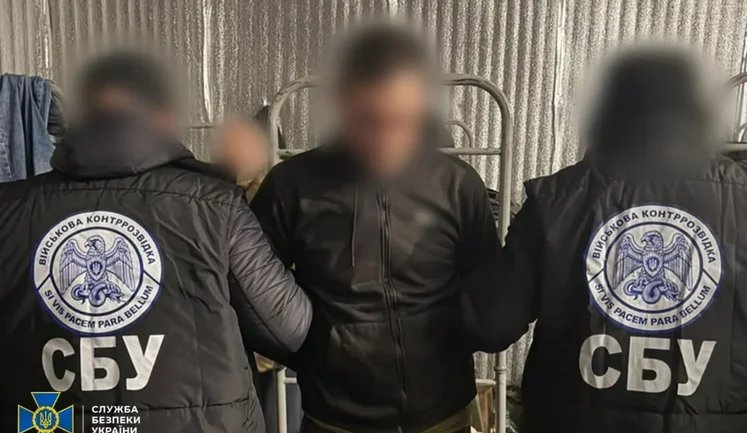
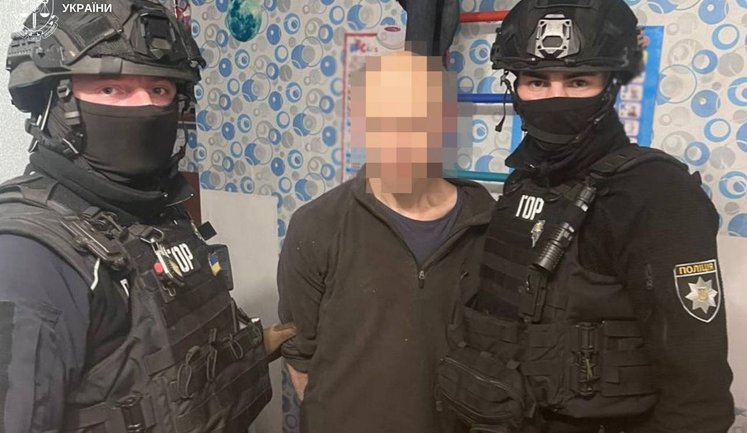
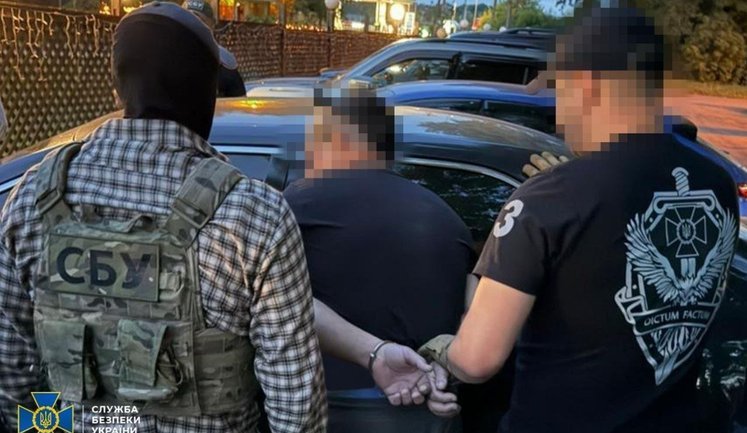
The Security Service of Ukraine (SSU) has intensified its efforts in thwarting attempted murder plots orchestrated by Russian intelligence operatives. Recent revelations include the exposure of an FSB "mole" among Ukrainian paratroopers, who was plotting the assassination of an Armed Forces brigade commander. Additionally, a suspect linked to the planned murder of a Territorial Defence Forces member and a police officer was apprehended in the Lviv region. Notably, an FSB hitwoman targeting a Russian opposition figure in Kyiv has been detained, highlighting the breadth of Russian covert operations. Meanwhile, in Warsaw, a Ukrainian citizen's arrest thwarted a conspiracy to kill a defence industry representative. These incidents underscore the ongoing threat posed by Russian networks aiming to destabilize Ukraine through targeted assassinations. The SSU’s vigilance in countering these attempts is crucial for national security.
What measures are being taken to prevent assassination attempts in Ukraine?
The Ukrainian Security Service (SSU) leads proactive counter-intelligence operations involving collaboration with national law enforcement and international agencies. Their focus is on foiling plots, arresting perpetrators, and securing high-profile figures targeted by foreign agents. Continuous monitoring and intelligence-sharing play a crucial role in these preventive measures.
How are Russian intelligence networks infiltrating Ukraine?
Russian intelligence networks reportedly leverage local collaborators to gain access and information. They often recruit agents with military connections or criminal backgrounds to execute planned assassinations and destabilizing acts. These networks are known for their covert, methodical setups aimed at critical state and public figures.
What high-profile figures have been targeted by these plots?
Plots have targeted various high-profile individuals, including Ukrainian military leaders, prominent civil society activists, and political figures. In some cases, planned victims have included officers from the Defence Intelligence of Ukraine and key representatives in the Ukrainian defence industry.
Are there any international collaborations to counter these threats?
Yes, there are international collaborations, notably between Ukrainian and Polish security services, as demonstrated by the arrest of individuals in these countries. Such partnerships enhance cross-border intelligence exchange, contributing to the effective disruption of international threat networks.
Have there been any successful thwartings of assassination attempts recently?
Numerous attempts have been foiled, including planned assassinations by Russian agents on figures like brigade commanders in the Armed Forces and leaders in civil society. The SSU’s operations have effectively intercepted these plots at various stages, from planning to execution.
What are the legal consequences for those involved in attempted murders?
Individuals involved face severe legal repercussions, including arrest, trial, and potential long-term imprisonment. The Ukrainian judicial system, in conjunction with international laws, ensures that those accused are prosecuted under charges of treason, terrorism, and conspiracy to murder.
Are there specific regions more affected by attempted murders in Ukraine?
Regions like Kyiv, Odesa, and Zaporizhzhia have witnessed multiple incidents, primarily due to their strategic importance and the concentration of government and military facilities. The Security Service's presence is heightened in these areas to counteract potential threats effectively.
How does the threat level impact everyday life in Ukraine?
While the threat of attempted murders creates a climate of tension, the effective actions of the SSU and heightened security measures aim to maintain public safety. The populace remains alert but carries on with daily life, trusting in national security forces to manage crises.
What role does technology play in preventing these assassination attempts?
Technology plays a crucial role through the use of surveillance systems, cyber-intelligence, and communication interception tools. These technologies assist in tracking suspect activities, intercepting communication, and gathering evidence to preemptively neutralize threats.