


"It’s not that bad yet, I’ll leave later…". But "later" is now: how evacuation from Kramatorsk is unfolding. PHOTOS
Life for those civilians who remain in Kramatorsk and the surrounding settlements is becoming life-threatening.
This view was expressed by Anna Elsbernd, head of an international evacuation team operating in the Donbas and the Dniprovskyi sector, in an interview with a Censor.NET correspondent.
In 2025 alone, her non-governmental organisation, Universal Aid Ukraine, evacuated 1,200 Ukrainian civilians from danger.
Details
Ms Elsbernd, a 26-year-old German woman, also works daily as an evacuation worker ‘in the field’. Since the start of 2023, the group had been based in Kramatorsk itself. Until recently: a few days ago, the evacuation team had to change their base. (However, they are continuing their work in Kramatorsk and the surrounding settlements.)
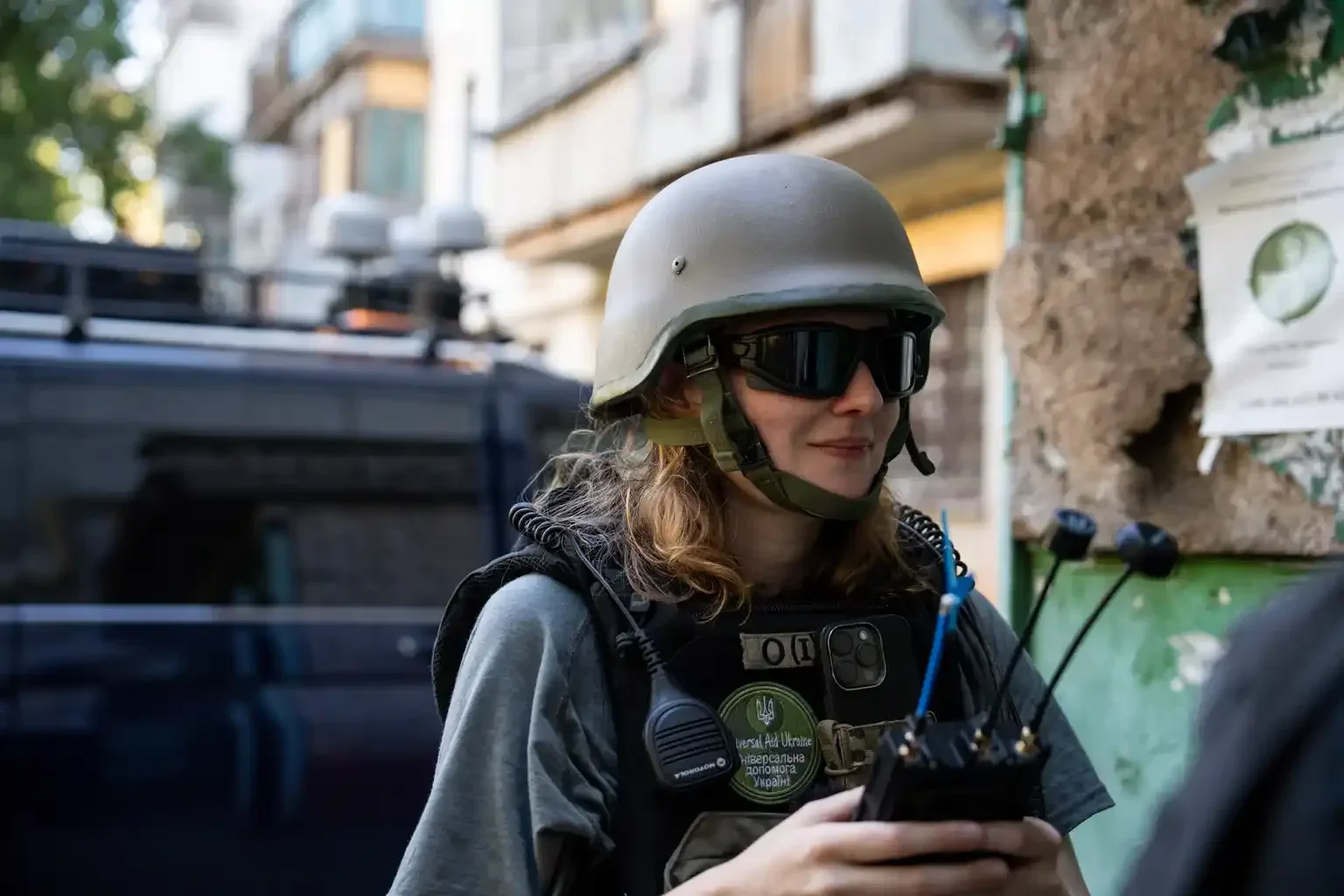
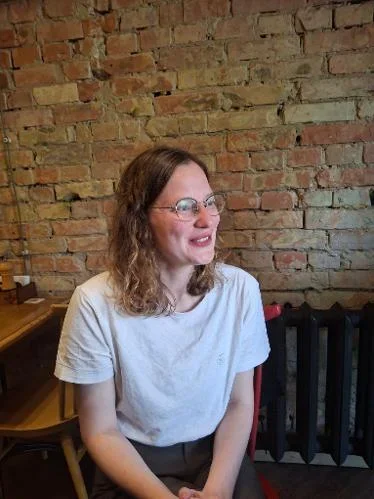
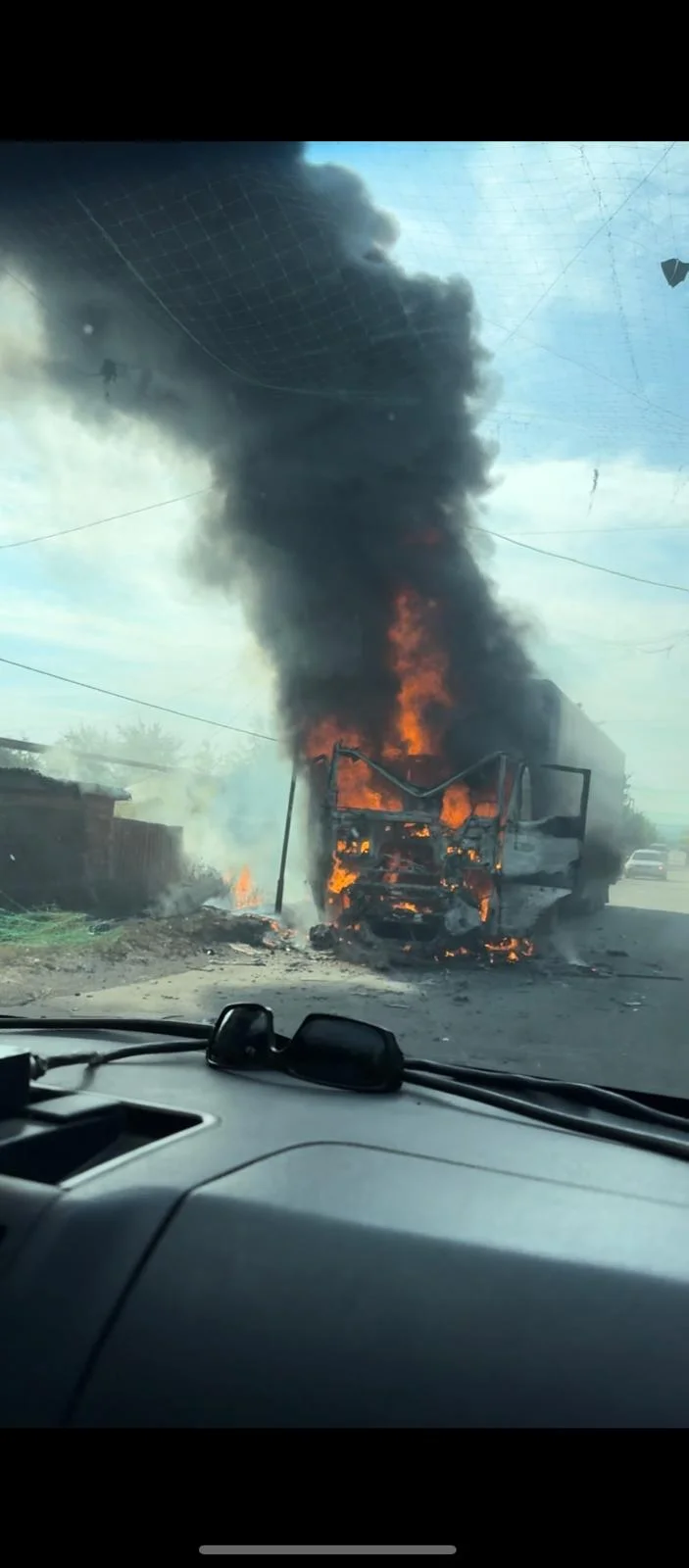
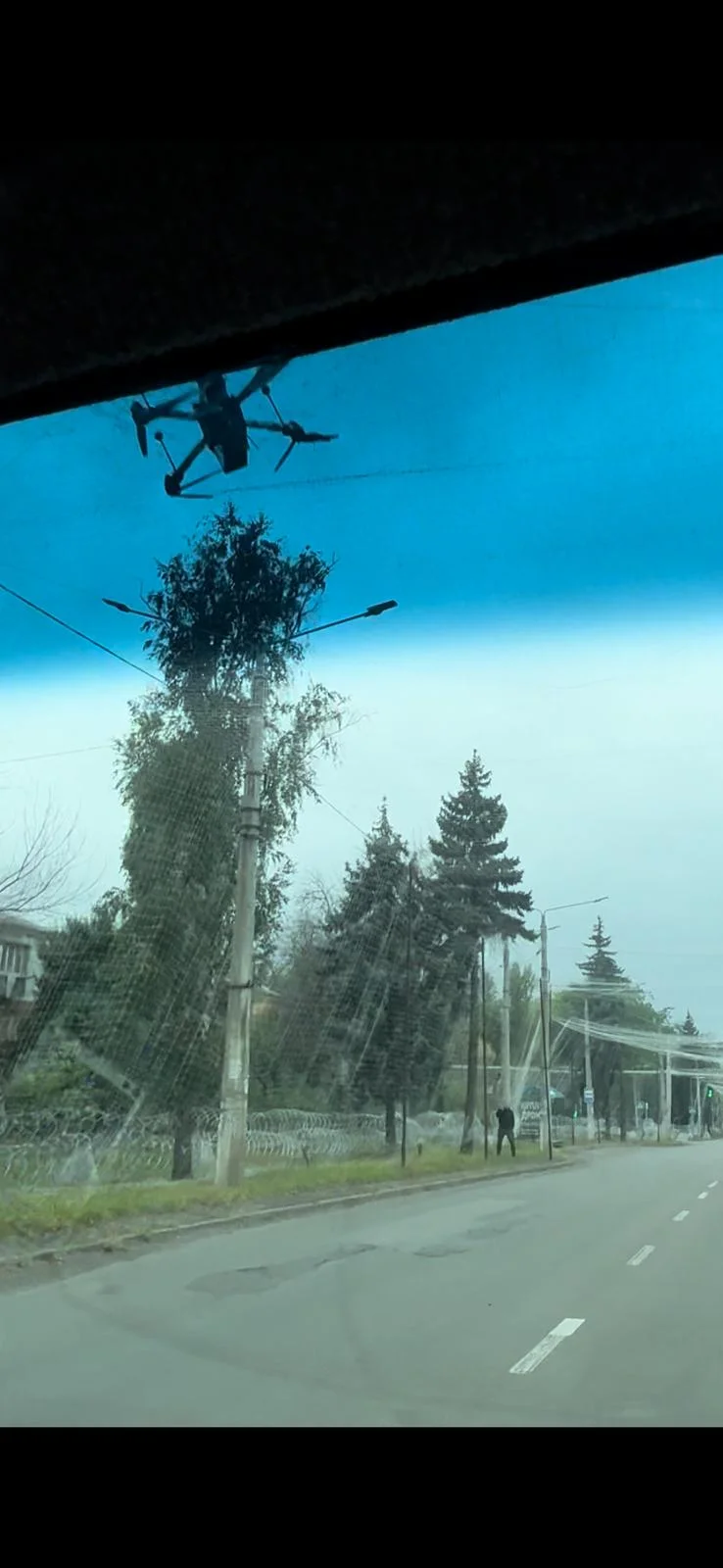
"Over the last few weeks, absolutely everything has changed for us," explains Anna. "It all started when we ourselves had to evacuate. We were living on the outskirts, where it had been relatively calm for a while, but in just a few days the number of attacks by FPV drones (in particular, drones with fibre-optic links) rose sharply, so we decided we could no longer stay there — it was an unjustifiable risk. And the situation has changed in general: there are no longer any safe roads left in Kramatorsk. The threat from FPV drones is extremely high. Crossing bridges is particularly dangerous. Conditions are now such that many evacuations have to be carried out on foot, as walking is somewhat safer than travelling by car. Just a few weeks ago, things were very different."
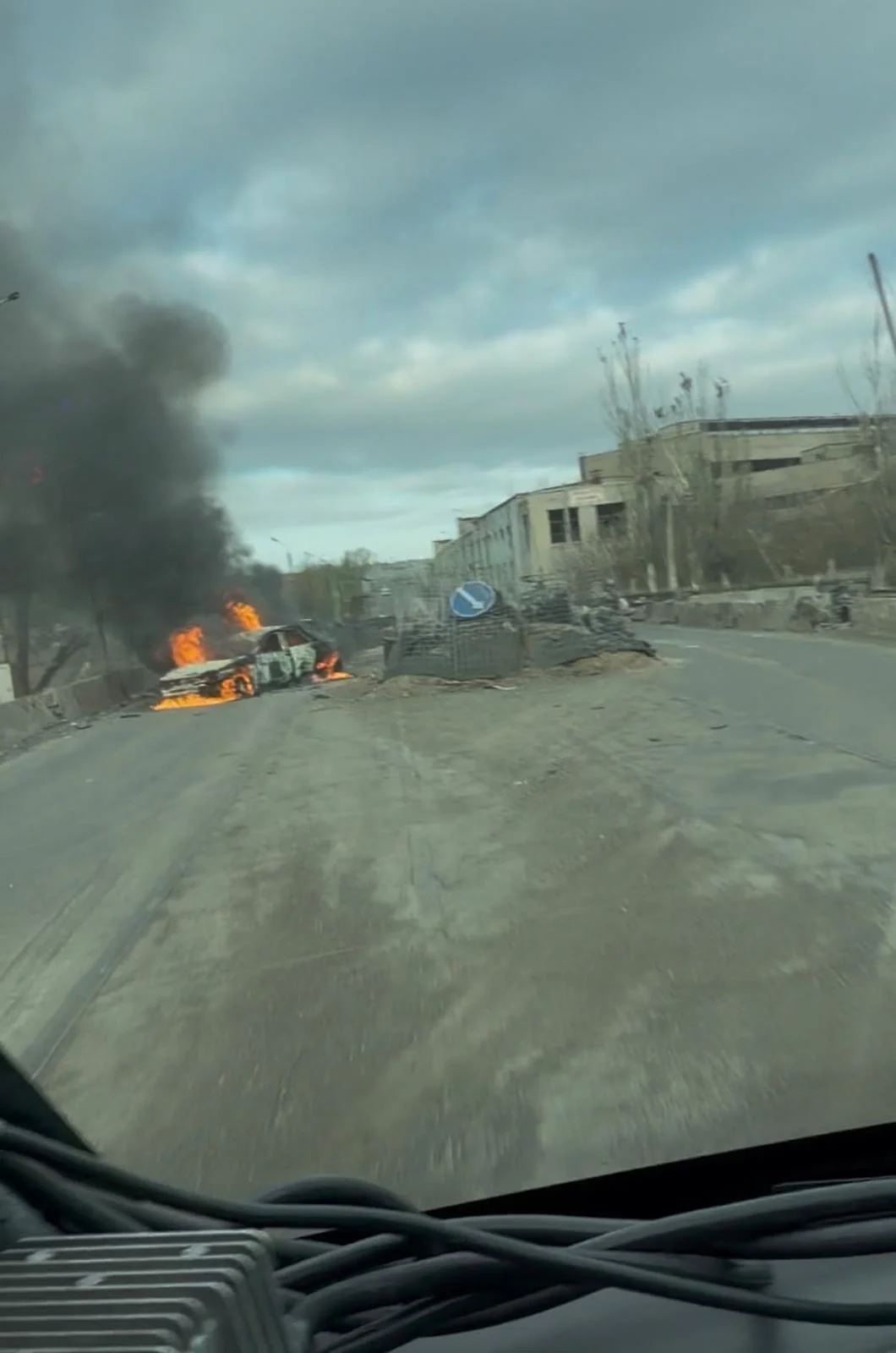

According to Ms Elsbernd, there is almost no undamaged urban infrastructure left in Kramatorsk.
"It seems to me that there is almost no infrastructure left," she says. "From what I’ve seen, there is no gas, no heating, no water and no electricity. The life we were used to has ceased to exist. Restaurants aren’t open, there are no car repair shops, and there are no safe roads. And then there’s the curfew. As it gets dark very early, any activity – be it work or everyday life – becomes impossible after 4 pm. What’s more, every time you step outside, it’s dangerous."
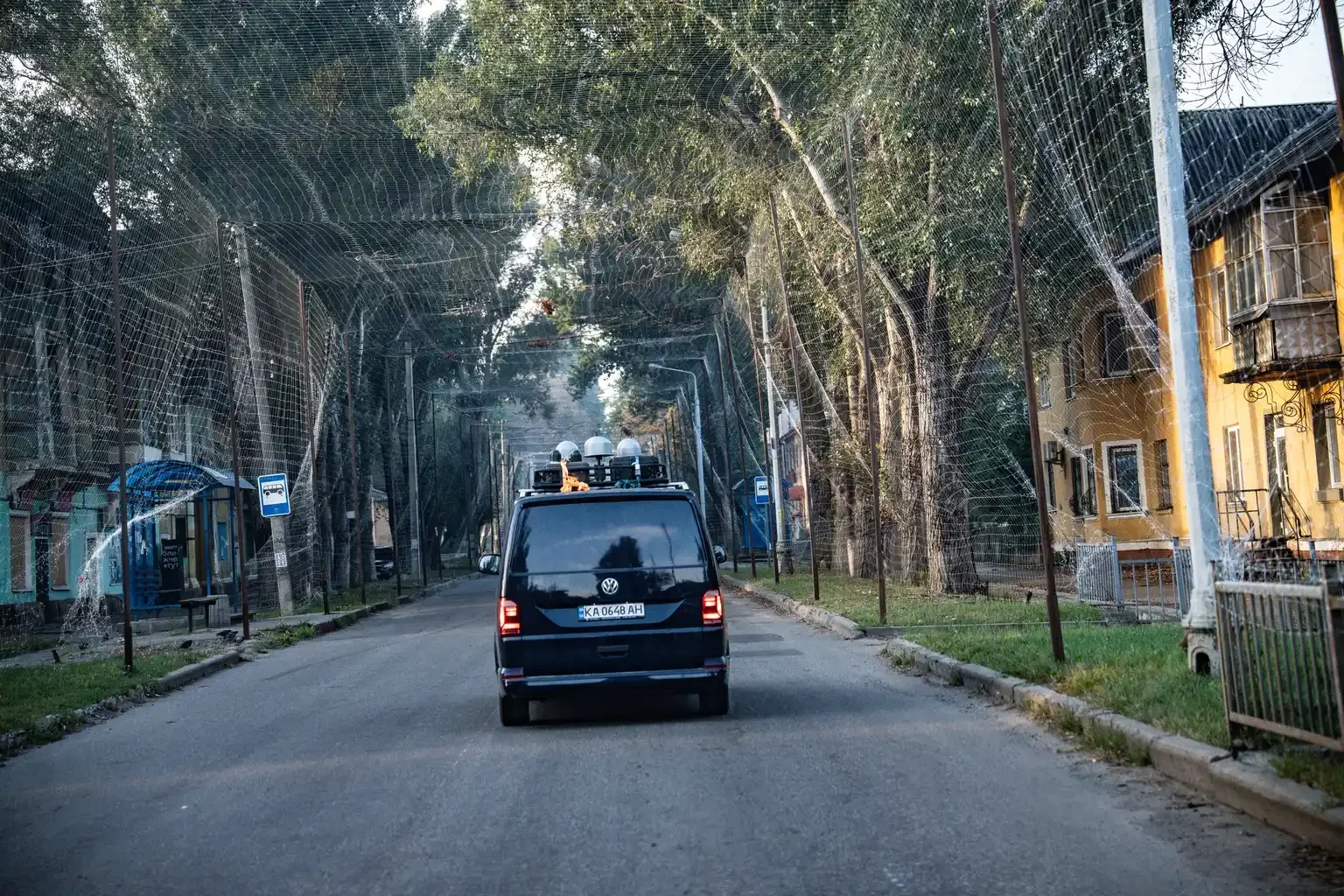

A telling – and at the same time horrific – example is the situation with the church. The large white church in Kramatorsk served as a water collection point for local residents; we often went there to fetch water. But Russian FPV drones struck this spot just as people had come to collect water. An elderly woman was killed whilst trying to fetch water. A few days later, a guided aerial bomb (KAB) struck the church itself."
The situation is similar for utility workers trying to restore gas, water and electricity supplies: they are now working in bulletproof vests – but are still a priority target for Russian FPV drones. The same applies to hospitals.
"People used to come there for routine check-ups or treatment," says Anna, "but now the corridors are filled with the wounded: there’s blood on the floor, and people wrapped in thermal blankets are bleeding to death. All in all, there are far fewer people on the streets now. A few days ago, we carried out an evacuation from the 14th floor of a residential block. I felt as though I were standing somewhere in the sky, looking down on an empty city. Only one group of people had gathered under the trees — and that was all."
The evacuation worker puts it bluntly: staying in Kramatorsk is becoming extremely dangerous. What’s more, even now we have to evacuate people without most of their belongings.
"We were evacuating a young woman from a dangerous area," says Anna, recounting one such incident. "She was already ready, carrying only a few belongings. This is precisely what we’re warning people about now: you won’t be able to take much with you, because our task is to get as many people out as possible.... As we were leaving the building, a man approached us and asked if we were carrying out an evacuation. We said yes, and he asked if he could come with us. He was fully prepared — he’d simply been waiting in his flat for the right moment. A few minutes later, we put him in the car along with his bags. Meanwhile, another woman approached, but said she had far too many belongings. Unfortunately, we couldn’t take it all, as we needed to pick up a few more people on this journey. She had bags full of cutlery, food, kitchenware, clothes, curtains — in fact, all her possessions. She flatly refused to leave any of it behind. I left her our leaflet with our phone number. The next morning she rang and asked to be evacuated, agreeing to leave her belongings behind after a chaotic and terrifying night."
According to several evacuation workers interviewed by a Censor.NET correspondent, the greatest difficulty lies in carrying out evacuations from the northern and eastern outskirts. This is open terrain which has been in a dreadful state for many months and is heavily targeted by enemy drones.
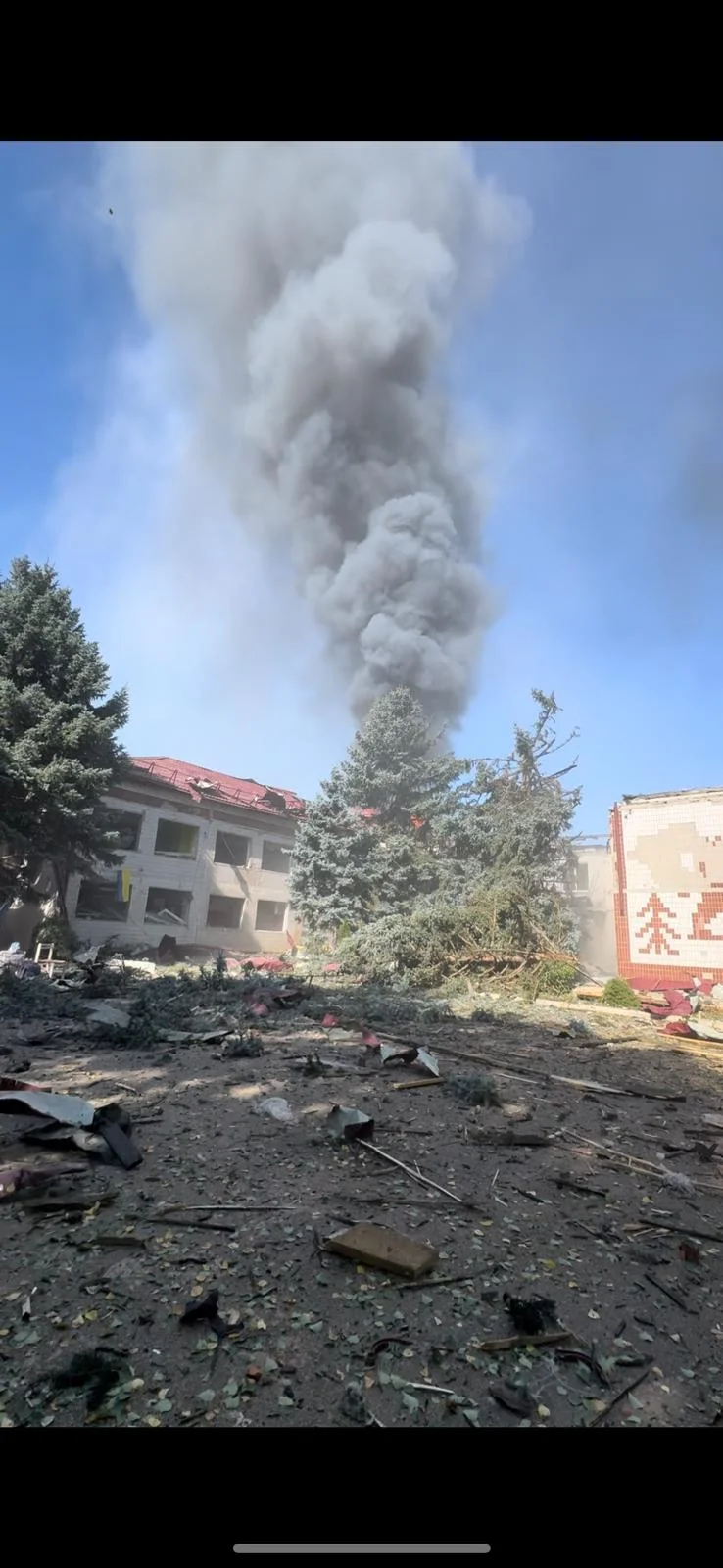
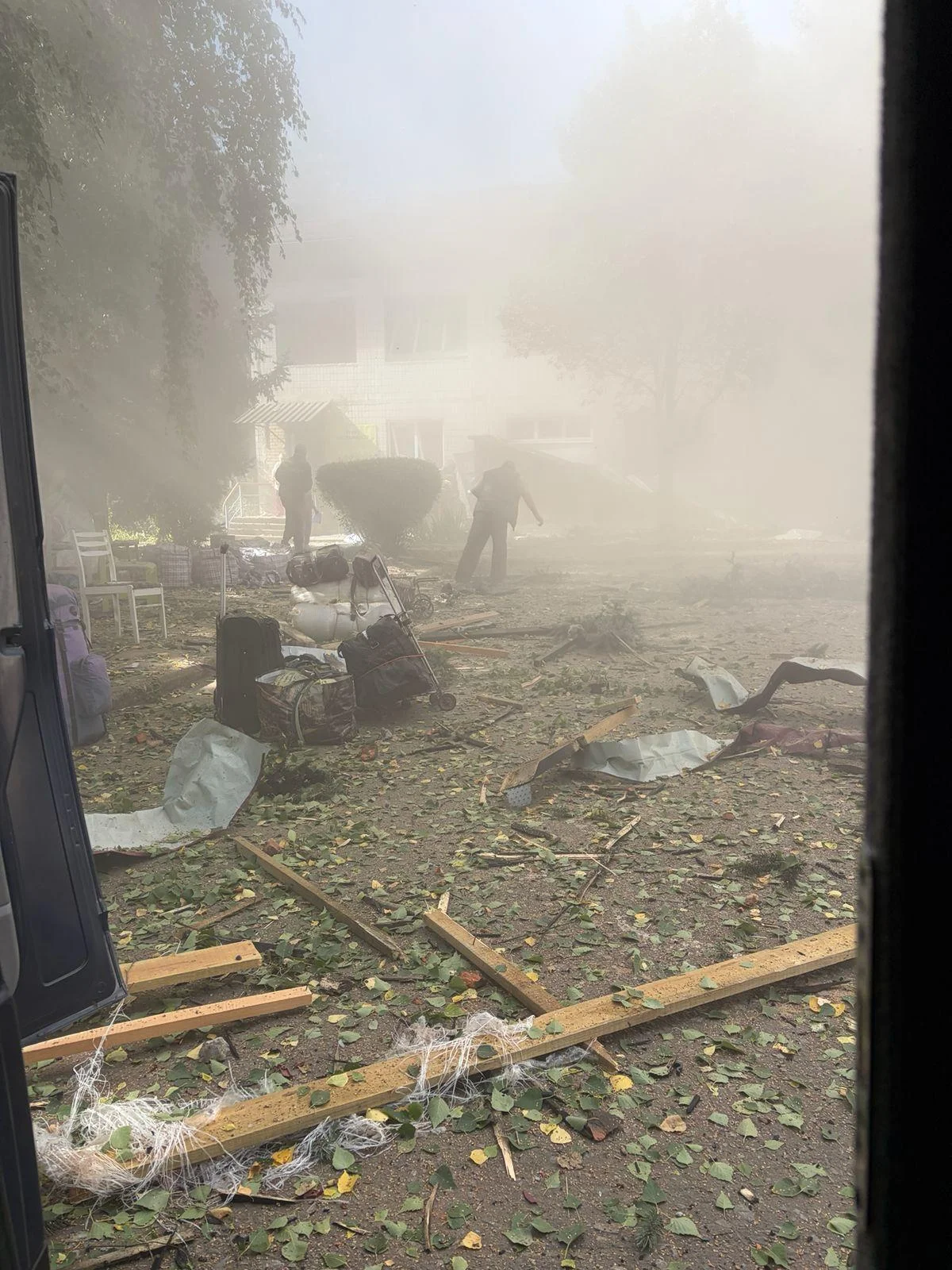
It is also difficult to evacuate people with reduced mobility. In most of these areas, it is impossible to stop or park a car — it would be hit immediately.
"We try to minimise the time spent on the roads and in these areas," explains Anna Elsbernd. "Medical evacuation teams are already banned from travelling there: for quite obvious reasons, ambulances are a priority target for the Russians. So we have to pick people up ourselves and take them to places where specialist services and transport are available. Such evacuations take time; people are often in pain, and we have to act quickly when moving them into the vehicle. This causes them discomfort and is likely to have a negative impact on their condition. But there is simply no other option."
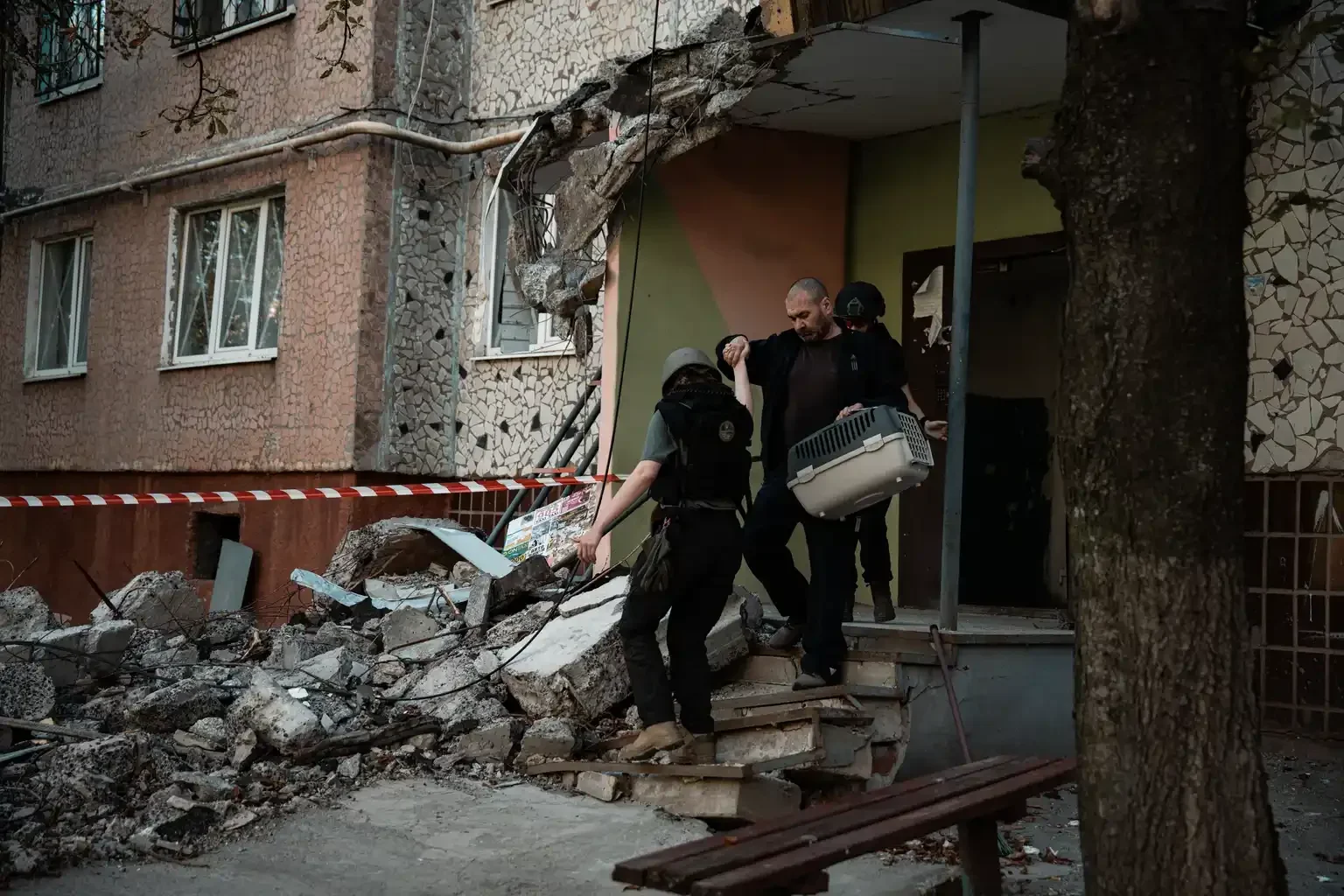
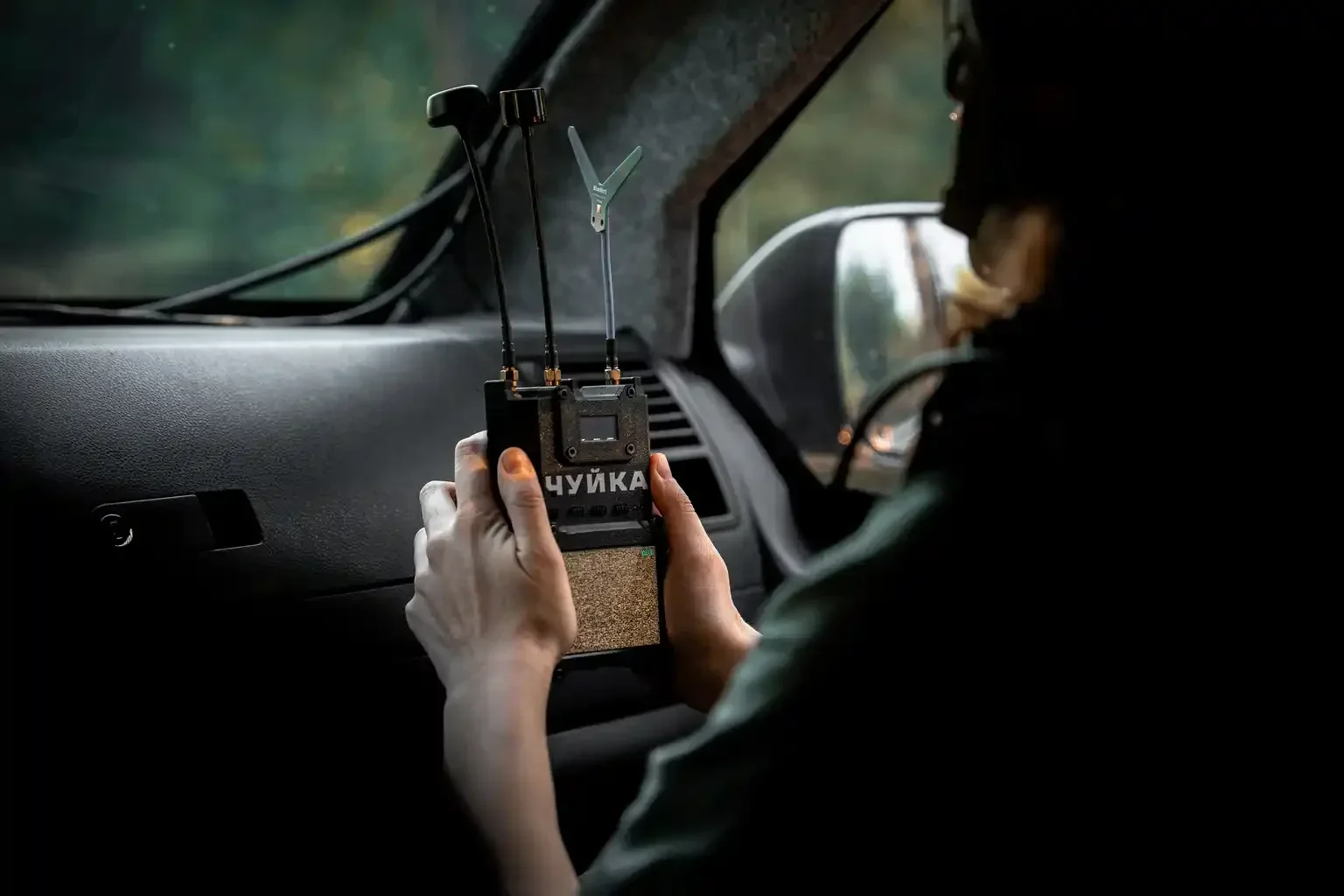
At the same time, the evacuation worker admits that, for her personally, the hardest thing is evacuating children.
"It breaks my heart every single time," says Anna. "We do everything we can to make the children more comfortable and less afraid, but the situation remains extremely dangerous, and unfortunately, there’s nothing we can do to change that."
Ms Elsbernd believes that it is important for both the regional authorities and local residents to learn from the lessons of the evacuations from Kostiantynivka and Druzhkivka. Everyone who is still in Kramatorsk would do well to heed her words.
"There comes a point when the evacuation itself becomes a threat to life," she says. "That point is here right now. In every city, we hear the same words: ‘It’s not that bad yet, I’ll leave later…’." But ‘later’ is now. Kramatorsk is a city where access to certain areas depends critically on bridges. Your life should not depend on whether the Russians destroy the last remaining bridge. There are still people trying to leave Kostiantynivka and Druzhkivka. Do not become one of them. There are those who risk their own lives to save others; the sooner a person leaves, the easier and safer it will be. In this sense, all cities are the same: people hope the situation will change. Often, they only realise this won’t happen when their neighbours are lying in the street without limbs, and only half of their own house remains. Or they fall victim to Russian disinformation. Someone on Telegram convinces them that everything will be fine: the Russian military will spare civilians, life will get back to normal, there will be electricity, gas and water, and the occupiers will even help out. We see this in every city – and it never corresponds to reality. People cling to the hope that, in their particular case, things will turn out differently. Believe me, I would be the happiest person in the world if I could evacuate people again – once it’s safe – and bring them back home. But waiting until disaster strikes your own home is simply not an option."
So, is it time for the compulsory evacuation of all civilians from the city? Anna answers this question in the affirmative:
"Yes. Of course, we won’t evacuate anyone against their will. But, to be honest, other regions are approaching this differently, and it’s working somewhat better there. At present, a compulsory evacuation is in force across the whole of Donetsk Oblast for families with children. And, in my opinion, that’s the right thing to do. It’s impossible to protect a child from guided aerial bombs (KABs) – parents simply cannot guarantee their children’s safety. After all, there isn’t a single safe place in Kramatorsk. The longer people delay, the greater the danger to those who come to their aid.

I fully understand the desire to stay, but time is running out. It’s already snowing – this winter will be deadly."
It is also important to realise that specialist staff are staying behind to maintain the civilian infrastructure – and are putting themselves in mortal danger every single day.
"Of course, coercion is a bit harsh; no one should be taken away by force or against their will," Anna reflects. "That option is unacceptable. However, people are dying whilst trying to keep the civilian infrastructure running. In other regions I’ve seen, they simply cut off the gas and water supply, making it clear that it won’t be restored — so if people want to survive the winter, they have to fend for themselves. Here, however, workers are dying whilst trying to repair everything. But, to be honest, the prospects for those who evacuate to another part of the country, having neither family nor friends there, are rather bleak."
Does this experienced volunteer have any advice for those who are currently deciding on a possible evacuation of people from Kramatorsk?
"Set up a support network for those who are evacuating," says Anna Elsbernd. "Make sure they have everything they need; give them something to do. Create incentives for people so that evacuation isn’t seen as a loss of all hope. There are many challenges involved in the evacuation process, but now everyone must join forces to save those who are ready to evacuate."
PHOTOS from Kramatorsk and the surrounding areas over the past few weeks: Anna Elsbernd, Daniel Robison, Ricarda Fasol.
Interview by Yevhen Kuzmenko


