ENG




15241 visitors online
Recent developments in the Kramatorskyy district of the Donetsk region have witnessed a significant escalation in conflict activities, with Russian forces gaining ground near Mykolaivka and Dovha Balka. This advancement comes amid a series of attacks on civilian infrastructure in Kramatorsk, leading to fatalities and injuries. The attacks have sparked an increase in evacuation requests among residents, showcasing the dire situation on the ground. Key locations like the fire and rescue station and civilian vehicles have been targeted with precision strikes, highlighting the ongoing challenges faced by civilians amidst the conflict.
What recent advancements have occurred in the Kramatorskyy district?
In recent developments, Russian forces have advanced near Mykolaivka and Dovha Balka in the Kramatorskyy district, leading to heightened tensions and increased military activities in the area. This underscores the strategic significance of the district in the ongoing conflict.
How have recent strikes impacted civilian life in Kramatorsk?
Recent airstrikes in Kramatorsk have severely impacted civilian life, resulting in numerous casualties and significant infrastructure damage. Civilians are increasingly seeking evacuation, reflecting the escalating dangers posed by continued military aggression in the region.
What measures are being taken for civilian safety in the Kramatorskyy district?
To ensure civilian safety, authorities have implemented evacuation measures, particularly for families with children. However, the ongoing shelling complicates these efforts, enhancing the urgency for international intervention and support to protect vulnerable populations.
What are the international responses to the situation in Donetsk region?
The international community is closely monitoring the situation in the Donetsk region, with discussions on additional support packages for Ukraine to mitigate the humanitarian crisis and bolster defense capabilities against continued Russian aggression.
What challenges do emergency services face in Kramatorsk during the conflict?
Emergency services in Kramatorsk face severe challenges due to targeted attacks on facilities such as the fire and rescue station. These attacks hamper their ability to provide crucial support and assistance to affected civilians during active conflict scenarios.
How have recent military advancements affected local governance in Kramatorsk?
The military advancements and subsequent strikes have strained local governance, disrupting administrative functions and emergency response coordination. This scenario necessitates efficient crisis management and international aid for restoration and recovery efforts.
How is the ongoing conflict influencing evacuation trends in the Donetsk region?
The intensification of the conflict has led to a noticeable rise in evacuation requests from residents within the Donetsk region, particularly in areas like Kramatorsk and Sloviansk, as people prioritize safety amidst increasing threats to civilian life and infrastructure.
News Kramatorskyy district, Donetska region
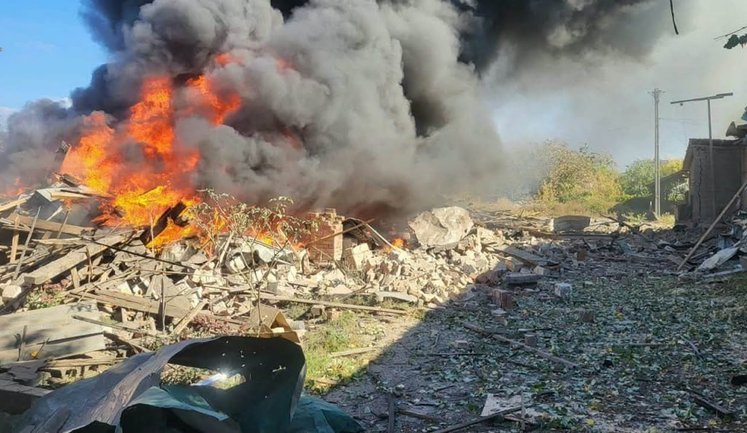
 Russian forces struck Sloviansk: woman was killed. Child is among injured. PHOTOS Russian occupiers have carried out strikes on the Sloviansk community in the Donetsk region, resulting in one fatality. 595 4 Previously in trend: Shelling of the Donetsk region Shelling of Sloviansk
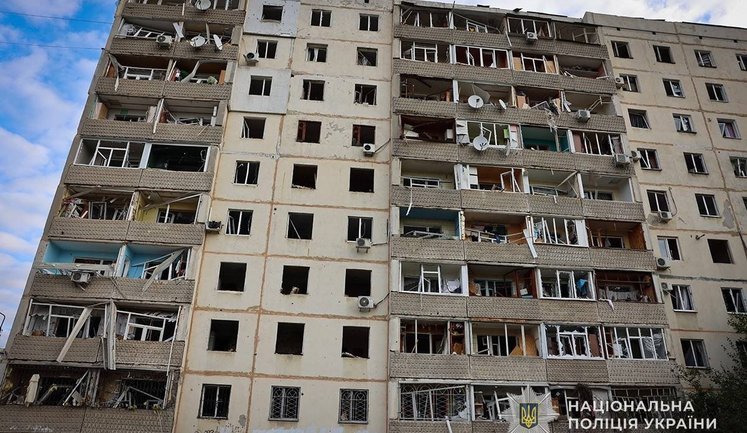
 Russia has attacked number of regions in Ukraine: there have been fatalities and dozens of injuries, including children. PHOTOS Over the past 24 hours, Russian troops have attacked the Sumy, Chernihiv, Donetsk, Kharkiv, Dnipropetrovsk, Kherson and Mykolaiv regions. The shelling has resulted in fatalities and dozens of casualties, including children. 1 381 1 Previously in trend: Shelling of Ukraine
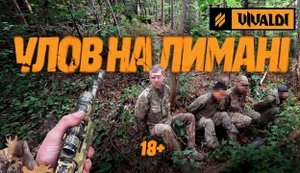
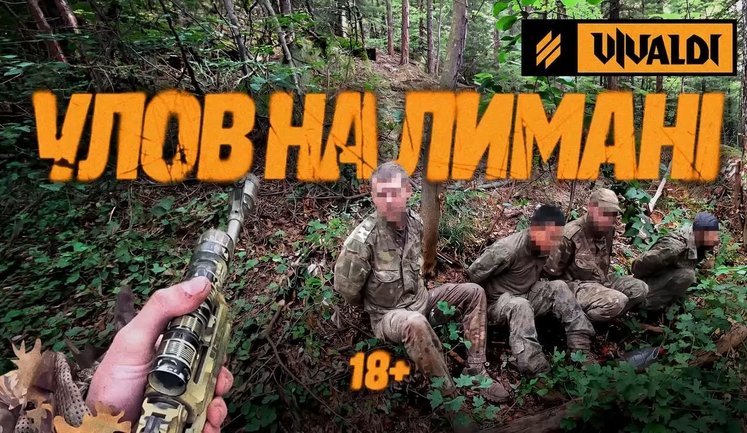
 During Operation ’Vivaldi’, 3rd Army Corps fighters cleared settlements and took Russian invaders prisoner: "Surrender, you idiots, you’re surrounded". VIDEO Soldiers from the 3rd Army Corps have released GoPro footage showing the clearing of settlements in the Lyman region and the capture of Russian occupiers during the third phase of the‘Vivaldi’ offensive operation. 7 293 18 Previously in trend: Elimination of Russian occupying forces captured occupiers Operation Vivaldi
 3rd Army Corps has shown Russians taken prisoner during Operation ’Vivaldi’: "Anyone who came here is bloody idiot". VIDEO During Operation‘Vivaldi’ in the Lyman region, soldiers from the Third Army Corps took a group of occupiers prisoner. 9 537 19 Previously in trend: captured occupiers Hostilities in Lyman sector Operation Vivaldi
 Shelling of regions in Ukraine: at least 5 people killed, further 74 injured. PHOTOS Over the past 24 hours, Russian troops have carried out strikes on a number of regions in Ukraine. The enemy used attack drones, FPV drones, artillery, aerial bombs and missiles. There have been fatalities, dozens of people have been injured, and significant damage has been caused to civilian... 1 073 4 Previously in trend: Shelling of Ukraine
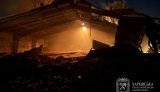 Russia has attacked number of regions in Ukraine: one person has been killed and dozens injured. PHOTOS Over the past 24 hours, Russian troops have attacked towns and villages in the Sumy, Kharkiv, Dnipropetrovsk, Donetsk, and Kherson regions. The shelling has resulted in one fatality and several injuries, as well as damage to residential buildings, vehicles, businesses and civilian infrastructure. 753 0 Previously in trend: Shelling of Ukraine
 Russian forces struck bus in Kramatorsk with FPV drone: two injured. PHOTO Russian occupiers attacked a public bus in Kramatorsk with an FPV drone, resulting in casualties. 491 0 Previously in trend: Shelling of the Donetsk region Shelling of Kramatorsk
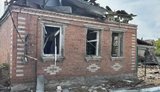 Russia shells Sloviansk with "Smerch" systems: man killed, at least 35 houses damaged. PHOTOS Russian forces carried out three strikes on Sloviansk using Smerch multiple launch rocket systems (MLRS) on October 1. A 26-year-old man was killed, and another man, aged 66, was injured. 1 032 2 Previously in trend: Shelling of the Donetsk region
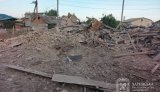 Russia attacked regions of Ukraine: four dead and many wounded. PHOTOS During the night and on the morning of 1 October, Russian forces attacked a number of regions in Ukraine using drones, guided bombs, artillery and other types of weaponry. The shelling has resulted in civilian deaths and injuries, as well as damage to residential buildings, vehicles,... 1 366 1 Previously in trend: Shelling of Ukraine
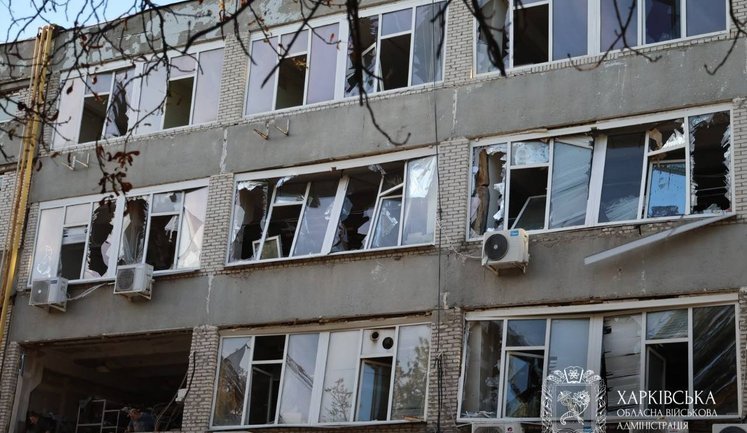
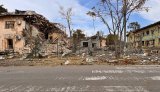 Occupiers attacked Kramatorsk with KABs: three wounded, labour and social protection department destroyed. PHOTOS At dawn today, 30 September, Russian forces struck Kramatorsk in the Donetsk region, causing injuries and destruction. 777 1 Previously in trend: Shelling of Kramatorsk
 Zelenskyy held meeting with commanders in Lyman sector: payments to service members, drones and artillery President Zelenskyy, while in the Lyman sector, held a coordination meeting with corps, brigade and battalion commanders. 1 405 15 Previously in trend: Hostilities in Lyman sector
 FSB agent has been exposed within Unmanned Systems Forces who directed Russian shelling at his own brigade’s positions near Kramatorsk, - SSU. PHOTO The Security Service’s military counter-intelligence unit, with the assistance of the Commander-in-Chief of the Armed Forces of Ukraine and the Commander of the Unmanned Systems Forces, has detained another FSB agent in the Donetsk region. 9 101 28 Previously in trend: spying in favor of Russia
 Operation Vivaldi: Third Assault Brigade turns 2 Soviet APCs into kamikaze ground drones, blows up occupiers’ fortifications in Lyman sector. VIDEO Fighters of the Third Assault Brigade converted two Soviet armored personnel carriers into unmanned ground vehicles packed with explosives during Operation Vivaldi and sent them toward the positions of Russian occupiers. 7 307 8 Previously in trend: Hostilities in Lyman sector Operation Vivaldi
 Defence Forces have confirmed liberation of Ridkodub and released footage from village. VIDEO The village of Ridkodub in the Lyman urban community in Donetsk Oblast has been liberated from the Russian occupiers. 3 190 6 Previously in trend: De-occupation of settlements deoccupation of the territory
 Russia has carried out massive shelling of Ukraine: there are fatalities and dozens of injured across several regions. PHOTOS Throughout the day on 28 September, Russian troops launched large-scale attacks on a number of regions in Ukraine. The shelling has resulted in fatalities and dozens of injuries, as well as damage to residential buildings, infrastructure, transport and businesses. 4 044 13 Previously in trend: Shelling of Ukraine
 Refused to surrender: fighters from "Carpathian Sich" used TM-62 mines to blow up section of high-rise building containing occupiers in Kostiantynivka. VIDEO Ukrainian assault troops destroyed a Russian infantry position that had taken up a stronghold in one of the high-rise blocks in Kostiantynivka, Donetsk Oblast. The soldiers used TM-62 anti-tank mines to blow up the section of the building occupied by the enemy. 10 352 14 Previously in trend: Kostiantynivka direction
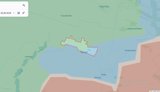 Defence Forces have liberated Ridkodub, Nove and Katerynivka and regained control near Novomykhailivka and Lypove, – DeepState. MAP Our troops are making territorial gains in the Lyman district of Donetsk Oblast. 10 604 13 Previously in trend: Updated DeepState maps Hostilities in Lyman sector
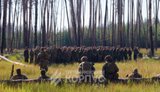 Operation ’Vivaldi’: further 51 km² have been de-occupied, more than 250 ruscists have been taken prisoner, – Biletskyi. VIDEO Soldiers of the Third Army Corps have liberated Nove, Ridkodub and Katerynivka, and have also regained control of Karpivka and Novomykhailivka. 9 331 51 Previously in trend: Operation Vivaldi
 Occupying forces have advanced near Kalenyky in Donetsk region, – DeepState Russian occupation forces are advancing in the Kramatorsk district of the Donetsk region. 3 093 0 Previously in trend: Updated DeepState maps
 Serhiit Stretovich, lawyer at Hillmont Partners, was killed on front line whilst defending Ukraine. PHOTO Serhii Stretovych, a soldier who had worked as a lawyer at Hillmont Partners prior to his mobilisation, was killed on the front line whilst defending Ukraine. 5 457 9 Previously in trend: losses of Ukraine
 Russian drone hits foreign journalists’ car in Sloviansk A Russian drone struck a car used by foreign journalists in Sloviansk, Donetsk Oblast. The journalists were inside a nearby building at the time of the attack and were unharmed. 1 902 4 Previously in trend: Shelling of the Donetsk region
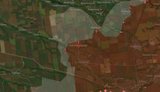 Russia has occupied Novooleksandrivka in Donetsk region and advanced into Kramatorsk district, – Deep State Russian occupation forces are advancing in the Donetsk region. 5 917 15 Previously in trend: Update of DeepState map
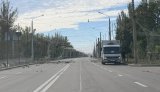 Russian forces struck civilian lorry in Kramatorsk with FPV drone: driver was killed. PHOTO Russian occupiers attacked a lorry with an FPV drone in Kramatorsk. The driver was killed. 1 382 1 Previously in trend: Shelling of the Donetsk region Shelling of Kramatorsk
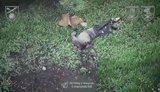 Soldiers from 66th SMB have released footage from liberated village of Shandryholove, outskirts of which are littered with bodies of ruscists. VIDEO Soldiers from the 66th Separate Mechanised Brigade named after Prince Mstislav the Brave have published a video showing the consequences for the occupiers of the prolonged fighting for Shandryholove. 7 769 11 Previously in trend: Elimination of Russian occupying forces Fightings in Kramatorsk direction deoccupation of the territory
 Joint statement by 50 UN countries, Russian attack on data centers in Kyiv, Rubio-Lavrov meeting: top news for September 23. VIDEO More than 50 countries called on Russia at the UN Security Council to end its aggression against Ukraine. Two people were killed, and more than 40 were wounded in Kyiv following an attack by Russian Shahed drones. Marco Rubio held talks with Sergei Lavrov in New York, and the US invited Putin to... 1 359 1 Previously in trend: News of the day
 Russia attacks Oleksandrivka in Donetsk Oblast with aerial bombs: 5 killed, 6 wounded, children may be under rubble Russian troops attacked the settlement of Oleksandrivka in Donetsk Oblast’s Kramatorsk district with aerial bombs on September 23. 1 396 7 Previously in trend: Shelling of the Donetsk region
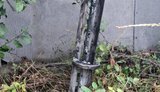 Russians strike Kramatorsk with "Uragan": 9 people wounded. PHOTOS Russian troops struck Kramatorsk in Donetsk Oblast with an Uragan multiple launch rocket system on the afternoon of September 23. 1 228 3 Previously in trend: Shelling of the Donetsk region
 Russian losses in Lyman sector stand at ratio of 1:30, and in some places 1:40 – Third Army Corps In the Lyman sector, the Russians are being forced to shorten the training period for their personnel and deploy them ‘straight from the training ground’. 3 800 10 Previously in trend: Hostilities in Lyman sector
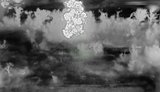 Russian forces that had amassed over summer within "Azov" brigade’s area of responsibility and were preparing an offensive on Druzhkivka and Dobropillia have been cleared out. VIDEO In the area of responsibility of the 1st Corps of the National Guard of Ukraine’s ‘Azov’ Brigade, enemy forces that had been building up over the summer were cleared out. 6 268 3
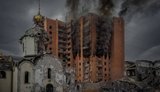 Russians have destroyed church in Kramatorsk: one person has been killed and others injured as result of strikes on city. VIDEO+PHOTOS In Kramatorsk, in the Donetsk region, the Church of St John the Baptist suffered significant damage as a result of a Russian strike. During the attacks on the city on 22 September, one person was killed and two others were injured. 2 994 11 Previously in trend: Shelling of Kramatorsk
 Ruscist films hundreds of Ukrainian FPV "sleeper" drones lying in wait along logistics road near Lyman. VIDEO A video has been published online showing a Russian UAV operator filming a large number of Ukrainian FPV "sleeper" drones on a road near Lyman in Donetsk Oblast. 15 673 45 Previously in trend: Hostilities in Lyman sector
 Operation Vivaldi: Soldiers of 66th Separate Mechanised Brigade clear and liberate Shandryholove in Donetsk region. VIDEO Soldiers of the 66th Separate Mechanised Brigade, named after Prince Mstyslav the Brave, cleared and liberated the settlement of Shandryholove during Operation Vivaldi. 3 124 0 Previously in trend: deoccupation of the territory Liberation of Ukrainian territories Operation Vivaldi
 Key defensive area protecting Lyman is now in Ukrainian hands – Butusov The liberation of Shandryholove and Drobysheve has strengthened the defence of Lyman. 2 766 0 Previously in trend: Hostilities in Lyman sector
 Almost 25,000 people remain in Sloviansk community, including over 1,700 children, - CMA. PHOTO There are 24,680 residents remaining in the Sloviansk community in Donetsk Oblast, including 1,775 children. Over the past week, around 600 people have left the community, although the pace of evacuation has slowed in recent days. 889 3 Previously in trend: Evacuation from Donetsk region
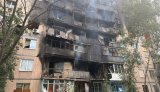 Russia has attacked seven regions of Ukraine: there are fatalities and dozens of wounded. PHOTOS On 21–22 September, Russian troops carried out strikes on populated areas in Ukraine. The Sumy, Chernihiv, Kharkiv, Donetsk, Zaporizhzhia, Kherson and Mykolaiv regions came under enemy fire. 1 603 0
 SSU has exposed Russian GRU agent who was directing shelling of Sloviansk. PHOTO The Security Service’s counter-intelligence unit has detained another Russian military intelligence agent in the Donetsk region. The suspect was guiding Russian-controlled guided aerial bombs and strike drones in the Sloviansk area. 1 763 4 Previously in trend: High treason
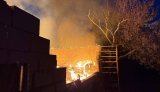 Russia has launched massive attack on regions of Ukraine: there are fatalities and injuries. PHOTOS On 20 September and in the morning of 21 September, Russian forces attacked a number of regions in Ukraine using drones, missiles, aerial bombs, artillery, mortars and multiple launch rocket systems. The strikes have resulted in fatalities, dozens of injuries and significant damage to civilian... 2 616 2 Previously in trend: Shelling of Ukraine
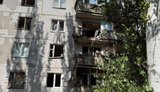 One person was killed and another injured as result of enemy artillery strike on Kramatorsk. PHOTOS On the morning of 20 September, Russian troops shelled Kramatorsk, resulting in one fatality. 1 493 0 Previously in trend: Shelling of Kramatorsk
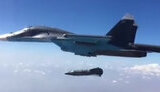 Russians dropped aerial bomb on evacuation centre in Kramatorsk Russian troops carried out an air strike on an evacuation centre in Kramatorsk. 1 853 2 Previously in trend: Evacuation of the wounded
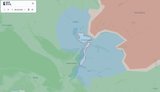 Villages of Shandryholove and Derylove in Donetsk region have been de-occupied, – DeepState. MAP The Ukrainian Defence Forces have liberated two villages in the Kramatorsk district of the Donetsk region. 9 739 9 Previously in trend: De-occupation of settlements
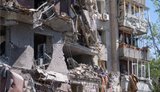 Russia attacked seven regions of Ukraine: 14 people killed, 52 wounded. PHOTOS Over the past 24 hours, Russian troops have attacked the Sumy, Mykolaiv, Dnipropetrovsk, Kherson, Zaporizhzhia, Donetsk and Kharkiv regions. The shelling has resulted in deaths and injuries, with children among the victims. 1 545 4 Previously in trend: Shelling of Ukraine
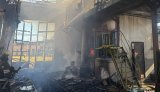 Three injured and fire at factory: Russia attacked Sloviansk. PHOTOS Russian troops carried out an air strike on Sloviansk in the Donetsk region. As a result of the attack, three people were injured and a fire broke out on the roof of a building on the factory premises. 1 182 1 Previously in trend: Shelling of Sloviansk
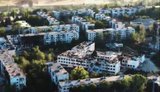 Destroyed bridges, collapsed building entrances and burnt-out neighbourhoods: footage from frontline Druzhkivka. VIDEO Druzhkivka, a town on the front line in the Donetsk region, is suffering massive destruction as a result of daily terrorist attacks by Russian invaders. 3 727 11 Previously in trend: Russian aggression against Ukraine
 Russia struck Sloviansk twice in hour: five injured. PHOTO On the afternoon of 18 September, Russian troops attacked a single area of Sloviansk twice, an hour apart. 1 301 3 Previously in trend: Shelling of Sloviansk
 Russians attacked seven regions of Ukraine: there have been fatalities and dozens of people have been injured. PHOTOS Russian troops have attacked the Donetsk, Kharkiv, Odesa, Sumy, Kherson, Dnipropetrovsk, and Zaporizhzhia regions. There have been fatalities, and dozens of people have been injured. 1 430 3 Previously in trend: Shelling of Ukraine
 SSU dismantles FSB agent network that guided strikes on Kramatorsk. PHOTOS The Security Service’s counter-intelligence unit has neutralised yet another Russian spy network in the Donetsk region. Following a special operation, three FSB agents were exposed for ‘leaking’ the coordinates of the Defence Forces in the Kramatorsk sector to the Russians. 1 829 3 Previously in trend: High treason
 Russia attacked nine regions of Ukraine: there are fatalities and injuries, including children among casualties. PHOTOS Over the past 24 hours, Russian troops have carried out strikes on regions of Ukraine using attack drones, aerial bombs, missiles, artillery, and multiple launch rocket systems. The attacks have resulted in deaths and injuries, with children among the casualties. Residential buildings,... 1 399 1 Previously in trend: Shelling of Ukraine
 Mandatory forced evacuation of children expanded in three Donetsk region communities The area of mandatory forced evacuation of children is being expanded in the Donetsk region. 909 3 Previously in trend: Evacuation from Donetsk region
Page 1 of 26
more news