ENG




10173 visitors online
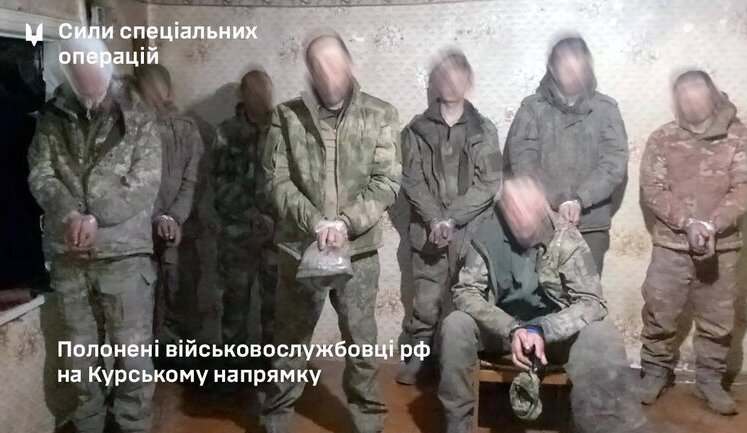
The ongoing conflict in Ukraine sees a significant trend in captured Russian soldiers, also known as captured occupiers. With advancements in technology and tactics, Ukrainian forces are increasingly targeting Russian positions using both traditional military forces and innovative methods like drones and robotic systems. Recent reports highlight various successful operations, including a unique instance where drones and ground robots captured Russian soldiers without live personnel involvement. These strategies have led to the capture of numerous soldiers, with reports indicating over 10,000 captured during the full-scale war. The psychological warfare and strategic use of technology show Ukraine's evolving military capabilities, aiming to demoralize the enemy and reduce combat effectiveness, while highlighting the internal challenges faced by Russian troops, including instances of reluctance and involuntary surrender.
What tactics are being used to capture Russian soldiers in Ukraine?
Ukrainian forces utilize a combination of drone technology, ground robotic systems, and traditional military strategies to capture Russian soldiers. This includes encircling enemy positions, psychological warfare, and direct assaults led by specialized troops. These tactics have increased the number of captured Russian occupiers, highlighting Ukraine's strategic advancements in the conflict.
How have drones and robots changed the tactics of capturing enemies in the Ukraine war?
Drones and robots have significantly altered combat dynamics by allowing Ukrainian forces to perform reconnaissance, apply pressure, and capture enemy soldiers remotely. These technologies reduce the need for direct human involvement, thus lowering risks for Ukrainian soldiers and increasing operational success rates.
How many Russian soldiers have been captured during the full-scale war against Ukraine?
According to reports, over 10,000 Russian soldiers have been captured since the beginning of the full-scale war. This substantial figure underscores the effective strategies employed by Ukrainian forces to demoralize and overwhelm Russian troops, leading to numerous surrender scenarios.
Are there any reports of Russian soldiers surrendering due to internal conflict or low morale?
Yes, there are several reports indicating that low morale and internal conflicts among Russian soldiers have led to their surrender. Many have been captured after voluntarily laying down arms or seeking refuge with Ukrainian forces, showcasing the impact of psychological pressure and deteriorating conditions within the Russian military.
What impact do these captures have on the overall dynamics of the Ukraine war?
The capture of Russian soldiers by Ukrainian forces has a crucial impact on the war. It not only weakens Russian manpower and morale but also serves as a strategic victory for Ukraine, bolstering their position in negotiations and highlighting their tactical prowess on the global stage. Additionally, it disrupts Russian military operations and contributes to a broader psychological advantage for Ukrainian defenders.
Have captured Russian soldiers expressed views on the war in Ukraine?
Some captured Russian soldiers have shared their perceptions of the war, with a significant number reportedly viewing it as justified. However, these views may be influenced by military indoctrination, suggesting a complex interplay of beliefs among captured servicemen. This highlights ongoing challenges within the ranks of Russian forces as they face public and internal contradictions regarding the conflict’s legitimacy.
Can you provide examples of recent successful operations involving the capture of Russian soldiers by Ukraine?
Recent successful operations include the 1st Separate Assault Regiment capturing enemy soldiers by "smoking them out" of a dugout, and Ukrainian paratroopers of the 81st Brigade capturing six Russian servicemen in the Sloviansk direction. These operations illustrate the tactical diversity and ingenuity applied by Ukrainian forces in combat scenarios.
w117_header_alt captured occupiers
 Operators of 3rd Special Operations Forces Regiment ambush and capture Russian scout at border with Russia. VIDEO Operators of the 3rd Regiment of Ukraine’s Special Operations Forces set up an ambush and captured a Russian soldier during special operations in an area near the border with Russia. 3 096 6 Previously in trend: captured occupiers
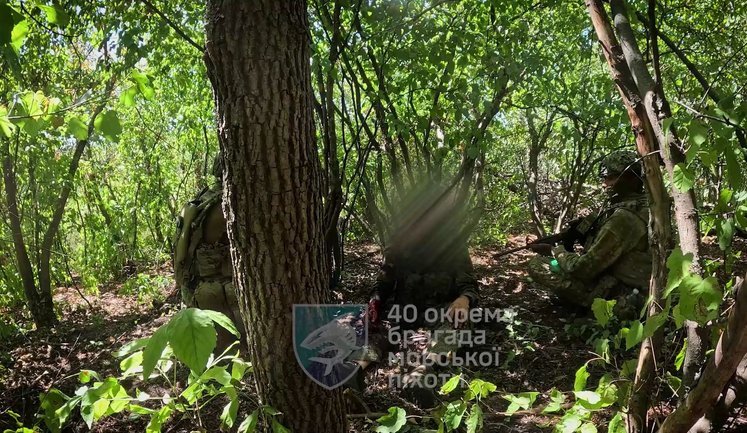
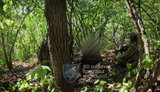 Marines from 40th Marine Brigade, during Operation ’Audit’, cleared 5 km² in Pokrovsk direction and captured two Russian soldiers. VIDEO Ukrainian marines carried out Operation ‘Audit’, during which they detected Russian troops and cleared an area of approximately 5 km² of enemy forces in the Pokrovsk sector. 2 432 3 Previously in trend: Close-quarters combat Combat operations in the Pokrovsk direction captured occupiers
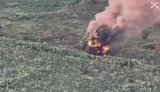 225th Assault Regiment soldiers thwart Russian assault by two AFVs: 19 occupiers eliminated, driver surrenders. VIDEO Soldiers of the 225th Separate Assault Regiment thwarted an attempt by Russian occupiers to break through to Ukrainian positions in two armoured vehicles carrying assault troops. During the battle, 19 occupiers were eliminated, while the driver of one of the AFVs surrendered. 7 026 10 Previously in trend: Elimination of Russian occupying forces captured occupiers Repelling assault
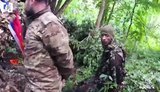 SOF operators capture two ruscists and direct artillery fire at another group of occupiers in Donetsk region. VIDEO During combat operations in the Donetsk region, soldiers of the 8th Regiment of the Special Operations Forces eliminated two Russian occupiers and captured two more. 5 261 4 Previously in trend: Elimination of Russian occupying forces captured occupiers
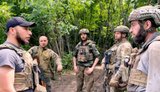 Spent more than 10 months encircled: Skelia Regiment rescues 21 fighters of 159th Brigade. VIDEO Soldiers of the 425th Separate Assault Regiment "Skelia" carried out an operation to evacuate 21 fighters of the 159th Separate Mechanised Brigade who had been encircled for more than 10 months and could no longer get out on their own. During the operation in the Kharkiv region, the assault... 57 915 31 Previously in trend: captured occupiers Ukrainian Armed Forces soldiers withdraw from positions
 "Stugna" special forces from Defence Intelligence stormed Russian positions in Zaporizhzhia and took occupiers prisoner. VIDEO Special forces from the ‘Stugna’ unit of the Defence Intelligence of the Ukrainian Ministry of Defence carried out a series of assault operations in the Zaporizhzhia sector and took Russian occupiers prisoner. 4 538 3 Previously in trend: captured occupiers Fightings in the Zaporizhzhia direction
 6th SOF Rangers Regiment raids Russian rear: two occupiers eliminated, two captured. VIDEO Service members of the 6th Rangers Regiment of the Special Operations Forces (SOF) eliminated two Russian troops and captured two more during a raid behind enemy lines. 3 745 9 Previously in trend: Elimination of Russian occupying forces captured occupiers
 SOF operators launched surprise attack and captured two occupiers in Donetsk region. VIDEO Footage showing the professional work of Ukrainian special forces has been published online. 4 032 4 Previously in trend: captured occupiers
 SHADOW PACK SOF operators ambush enemy and take control of enemy-held area: 2 occupiers eliminated, 1 captured. VIDEO On one of the operational axes, the enemy attempted to establish a foothold, creating conditions for a further build-up of personnel and offensive operations. 3 532 3 Previously in trend: Elimination of Russian occupying forces captured occupiers
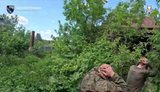 SOF operators from 6th Regiment raid enemy position and capture two occupiers. VIDEO Operators of the 6th Ranger Regiment of the Special Operations Forces conducted a special operation while carrying out a combat mission near the state border and captured two Russian servicemen. 3 497 3 Previously in trend: captured occupiers
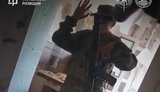 Special forces from DIU’s "BAT-13" and "ARATTA" units carried out raid on enemy positions and took Russian soldier prisoner. VIDEO Special forces from the Main Intelligence Directorate carried out a raid in an enemy-held settlement and captured a ruscist. 3 481 2 Previously in trend: captured occupiers
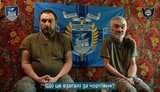 Marines of 36th Separate Marine Brigade thwart staged Russian video about "capture" of settlement in Donetsk region and take two occupiers with tricolor prisoner. VIDEO Soldiers of the 36th Separate Marine Brigade named after Rear Admiral Mykhailo Bilynskyi thwarted another attempt by the Russian occupiers to produce a propaganda video purporting to show an advance in the Donetsk region. 3 944 8 Previously in trend: captured occupiers Russian propaganda
 Unique "Khartiia" operation near Kupiansk: hero on shield and captured ruscist were evacuated on single UGV. VIDEO Soldiers from the 13th Brigade of the Ukrainian National Guard, ‘Khartiia’, carried out a unique evacuation operation near Kupiansk, using ground-based robotic systems to fulfil two important tasks simultaneously. 6 127 5 Previously in trend: captured occupiers Fighting in the Kupіansk direction Unmanned Ground Vehicles UGVs
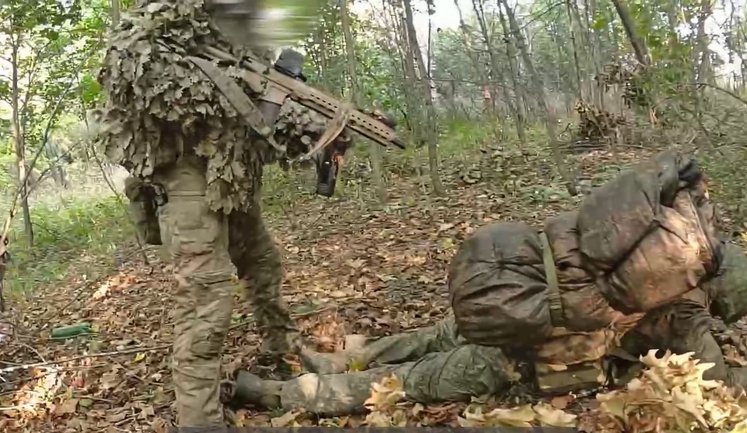
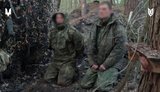 SOF operators wake sleeping occupiers in hideouts and capture them without firing single shot. VIDEO Operators from a unit of Ukraine’s Special Operations Forces (SOF) captured two Russian servicemen without firing a single shot after discovering them in well-camouflaged hideouts. 6 256 12 Previously in trend: captured occupiers
 Fighters of 6th SOF Regiment Rangers approach occupiers to distance of one meter, wipe out position and take two prisoner. VIDEO Operators from the Rangers special operations group of the 6th Regiment of the Special Operations Forces (SOF) carried out a successful raid on Russian positions in one of the operational sectors. 7 529 7 Previously in trend: Elimination of Russian occupying forces captured occupiers
 Soldiers of 28th Separate Mechanized Brigade capture occupier who infiltrated Oleksiievo-Druzhkivka to film propaganda video. VIDEO Servicemen from a mobile fire group of the anti-aircraft missile battalion of the 28th Separate Mechanized Brigade named after the Knights of the Winter Campaign captured a Russian soldier in the Kostiantynivka sector. 5 254 5 Previously in trend: captured occupiers Russian propaganda
 SOF fighters covertly infiltrated enemy settlement, carried out mop-up operation and took ruscist prisoner. VIDEO Operatives from Group ‘F’ of the 1st Detachment of the 144th Special Operations Forces Centre carried out a successful special operation in one of the operational sectors, during which they captured a Russian serviceman and cleared a designated sector of the settlement. 3 446 4 Previously in trend: captured occupiers
 Fighters of Defence Intelligence’s International Legion clear occupiers’ positions near Stepnohirsk and capture ruscist. VIDEO Fighters of the Revenge Tactical Group of the International Legion of the Defence Intelligence of Ukraine successfully cleared Russian positions near Stepnohirsk in the Zaporizhzhia region. 3 238 2 Previously in trend: Elimination of Russian occupying forces captured occupiers Fightings in the Zaporizhzhia direction foreign volunteers in the armed forces
 Civilian was held in basement for 36 days without food or water: SSU has charged two captured occupiers The Security Service and the Public Prosecutor’s Office have gathered evidence against two Russian military personnel who abducted and imprisoned a civilian from the Kharkiv region during fighting in the north of the region in April 2026. The perpetrators held him in the basement of a seized... 2 130 6 Previously in trend: captured occupiers
 Special forces from 73rd Naval Special Operations Centre seized enemy boat and took five occupiers prisoner. VIDEO Soldiers from the 73rd Naval Centre of the Ukrainian Armed Forces’ Special Operations Forces carried out a successful operation on the Dnipro, during which they seized an enemy boat and took five Russian soldiers prisoner. 10 558 16 Previously in trend: captured occupiers
 SOF operators captured Russian soldier from Transnistria and obtained valuable intelligence. VIDEO Operators from the 4th SOF Regiment carried out a raid on an enemy position and took a prisoner. 8 325 14 Previously in trend: captured occupiers Ukrainian special forces in Russian rear
 Hart Brigade routs Russian assault groups in Kharkiv region: 43 occupiers eliminated, two captured. VIDEO Servicemen of the Hart Brigade thwarted another series of assaults by Russian forces in the north of the Kharkiv region, inflicting significant losses on the enemy. 5 496 2 Previously in trend: Destruction of Russian equipment Elimination of Russian occupying forces captured occupiers Repelling assault
 Soldiers from 225th Assault Regiment captured 64 Russian occupiers in Zaporizhzhia sector. VIDEO In the Zaporizhzhia sector, Ukrainian defenders have significantly bolstered their pool of prisoners to be exchanged by taking 64 Russian occupiers captive. 15 475 23 Previously in trend: captured occupiers
 Failed attempt to breach border leaves 32 occupiers eliminated and 5 captured. VIDEO Last week, Russian occupation forces repeatedly attempted to breach Ukraine’s state border in the Southern Slobozhanskyi sector, using small infantry groups across several sections. 6 600 4 Previously in trend: Elimination of Russian occupying forces captured occupiers
 Ukrainian drone equipped with loudspeaker forced three occupiers to surrender: "What’s the matter, you idiot? Don’t you want to live?". VIDEO Unique footage and accounts of a successful psychological and assault operation carried out by Ukrainian defenders in the Pokrovsk sector have been published online. Using a drone fitted with a loudspeaker, Ukrainian Armed Forces soldiers managed to take three Russian invaders prisoner without... 5 264 6 Previously in trend: Combat operations in the Pokrovsk direction captured occupiers
 Fighters from "Skelia" regiment captured occupier using drone in Pokrovsk direction. VIDEO In the Pokrovsk sector of Donetsk Oblast, drone operators from the 425th Separate Assault Regiment ‘Skelia’ of the Ukrainian Armed Forces’ Land Forces carried out a successful operation to capture a serviceman from the Russian occupation forces. A quadcopter equipped with an audio alert system... 27 087 14 Previously in trend: Combat operations in the Pokrovsk direction captured occupiers
 Special operation in Sumy sector: our sabotage and reconnaissance unit cleared Russian observation post and captured five occupiers. VIDEO In the Sumy sector, a Ukrainian sabotage and reconnaissance unit carried out a successful special operation, resulting in the destruction of a Russian occupation forces’ observation post and the capture of five Russian servicemen. 3 573 6 Previously in trend: captured occupiers
 Three ruscists raise hands and follow Ukrainian drone to surrender. VIDEO Drone operators of the Defense Forces used a UAV to spot three Russian soldiers and forced them to lay down their arms. 3 623 9 Previously in trend: captured occupiers Drone operators
 Active Operations Department fighter shows footage of clearing enemy positions and capturing 7 ruscists. VIDEO Footage has been released online showing the Active Operations Department’s troops conducting a sweep of a wooded area during an attempted infiltration by Russian infantry. 7 452 22 Previously in trend: Elimination of Russian occupying forces captured occupiers
 Russians finished off their own wounded with drones, whom Ukrainian Armed Forces had evacuated using a ground robot. VIDEO Russian military personnel have once again demonstrated cruelty towards their own soldiers by killing them after they were taken prisoner. According to Censor.NET, citing the unit’s press service, during combat operations, soldiers from the 33rd Separate Assault Regiment used a drone to remotely... 11 515 14 Previously in trend: captured occupiers
 Ukrainian defenders of 65th Separate Mechanised Brigade took occupiers prisoner, who had been moving 13 km along gas pipeline in Orikhiv direction. VIDEO Soldiers from the 65th Separate Mechanised Brigade captured Russian commandos who were attempting to infiltrate via a gas pipeline in the Orikhiv sector. 14 928 46 Previously in trend: captured occupiers Hostilities in the Orikhiv direction
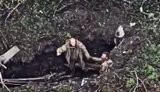 Russian forces used drone to kill two of their comrades whilst they were attempting to surrender to AFU. VIDEO Aerial reconnaissance by the "Pegasus" strike UAV company of the 1st Separate Heavy Mechanised Brigade has captured footage of two occupiers attempting to surrender. 8 955 10 Previously in trend: Drones against occupiers captured occupiers Elimination of Russian occupiers
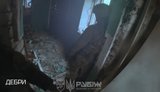 Fighters of Rubizh Brigade capture occupier scout who was hiding in Bilytske. VIDEO A reconnaissance group of the Special Purpose Reconnaissance Company of the 4th Operational Assignment Brigade Rubizh of the National Guard of Ukraine captured a Russian occupier during a clearing operation in buildings in the settlement of Bilytske, Donetsk Oblast. 4 427 2 Previously in trend: captured occupiers Situation in the Donetsk region
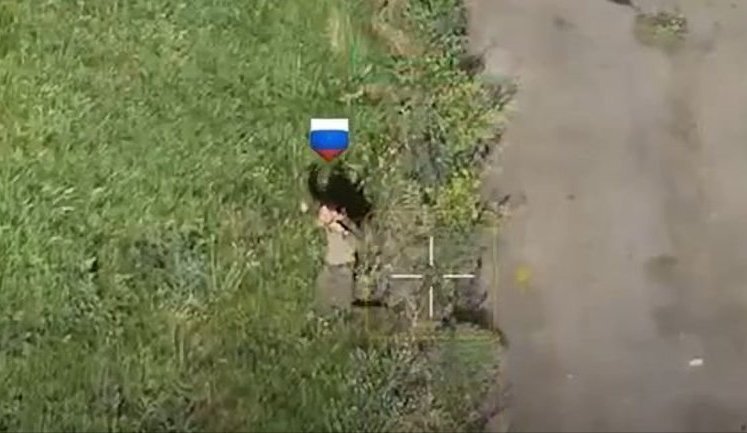
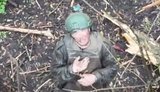 Russian bows and crosses himself before Ukrainian drone, asking to be taken prisoner. VIDEO Aerial reconnaissance by Ukrainian forces continues to demonstrate not only high effectiveness in eliminating the enemy but also the ability to capture prisoners remotely. A video of a successful operation by fighters of the SKELIA Separate Assault Regiment near the village of Udachne in the... 9 199 9 Previously in trend: Situation in the Pokrovsk direction captured occupiers
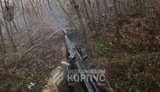 Reconnaissance troops from Third Army Corps exposed infiltrated ruscists in forest. VIDEO Soldiers from the Third Army Corps cleared out enemy infantry that had infiltrated the forest within their area of responsibility. 6 885 5 Previously in trend: Elimination of Russian occupying forces Close-quarters combat captured occupiers
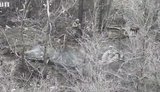 Two Ukrainian assault troops from 1st SAR captured eight Russian soldiers by "smoking them out" of dugout. VIDEO Footage has been published online showing assault troops from the 1st Separate Assault Regiment clearing an enemy dugout. 5 697 11 Previously in trend: captured occupiers
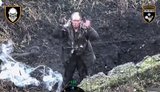 Occupiers surrendered to soldiers of 3rd Brigade but were eliminated by drones operated by their own accomplices. VIDEO Soldiers from the 3rd Separate Heavy Mechanised Brigade have shared a story from the Kharkiv region that illustrates how Russian troops treat their own accomplices. 14 550 21 Previously in trend: captured occupiers Destruction of the occupiers’ firing positions Drone operators
 Paratroopers of 81st Separate Airmobile Brigade capture 6 occupiers in Sloviansk direction. VIDEO Paratroopers of the 81st Separate Airmobile Brigade of Air Assault Forces of the Armed Forces of Ukraine captured six Russian servicemen in the Sloviansk direction, who voluntarily laid down their arms. 3 099 1 Previously in trend: captured occupiers
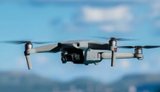 Drones and ground robotic systems are taking Russian soldiers captive, - Forbes Ukrainian drones and ground-based robotic systems are increasingly forcing Russian soldiers to lay down their arms, and sometimes capture the enemy without the involvement of live military personnel. 1 330 0 Previously in trend: captured occupiers
 Over 100 Russian soldiers surrendered thanks to work of Ukrainian unmanned aerial units. VIDEO A video has been posted online showing Russian soldiers surrendering to Ukrainian drones. 3 361 5 Previously in trend: captured occupiers Drone operators
 Pilots of "Madyar’s Birds" captured two occupiers with help of drone. VIDEO Operators of unmanned systems of the 414th Separate Brigade of Strike Unmanned Aerial Systems (SB SUAS) "Madyar Birds" carried out an operation to capture two Russian servicemen. According to Censor.NET, the process of surrendering the occupiers was fully recorded by objective control means. 4 434 4 Previously in trend: captured occupiers
 68% of captured occupiers consider war against Ukraine justified, - poll. INFOGRAPHICS 68.29% of Russian prisoners of war consider the war against Ukraine to be "legitimate, necessary, and justified to a certain extent." 5 560 51 Previously in trend: Poll on war in Ukraine captured occupiers
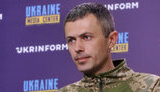 Armed Forces of Ukraine in Lyman direction captured two Russians during infiltration attempt, - Demchenko On February 19, Ukrainian defenders captured two Russian soldiers who were attempting to infiltrate Ukrainian combat positions in the Liman direction. 1 288 0 Previously in trend: captured occupiers
 Russians were captured by phone: unique Khartiia operation in Kupiansk. VIDEO A group of Russian soldiers decided to voluntarily surrender to the Khartiia soldiers. To do this, the occupiers used the chatbot "I want to live." 6 076 8 Previously in trend: captured occupiers Fighting in the Kupіansk direction
 Soldiers of the 158th Brigade of Armed Forces of Ukraine captured two occupiers, while three others surrendered voluntarily. VIDEO Ukrainian defenders of the 158th Brigade of the Armed Forces of Ukraine captured five Russian soldiers while performing combat operations. 3 995 4 Previously in trend: captured occupiers Drone operators
 "Negotiator" drone with precise strike on enemy dugout convinced surviving occupier to surrender to soldiers of 225th SAR. VIDEO Ukrainian defenders demonstrate to invaders that surrender is the only chance to survive, and refusal to do so leads to immediate and explosive consequences. According to Censor.NET, a video has appeared online showing the clearing of a landing zone by soldiers of the 225th Separate Assault... 2 901 5 Previously in trend: captured occupiers
 Scouts from 93rd Brigade "Kholodnyi Yar" captured two occupiers while clearing positions: "You keep messing around — you’ll get bullet in your head. Got it?". VIDEO Ukrainian defenders continue to drive the enemy out of fortifications in one of the hottest areas of the front line. According to Censor.NET, a unique video of close combat, filmed with a helmet camera by one of the scouts, has appeared online. 8 199 7 Previously in trend: Close-quarters combat captured occupiers
 18 ruscists were taken prisoner in 24 hours by soldiers of International Battalion of "Azov" Brigade. VIDEO Soldiers from the International Battalion of the 12th Brigade "Azov" captured 18 Russian occupiers in just one day. 6 289 5 Previously in trend: captured occupiers
Page 1 of 3
more news