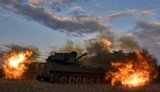
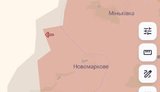
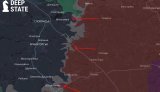
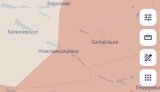
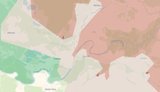
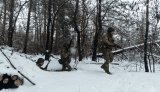
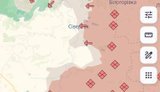
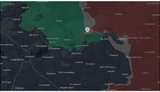
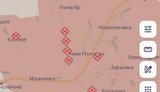
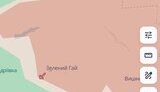
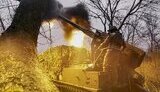
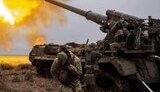
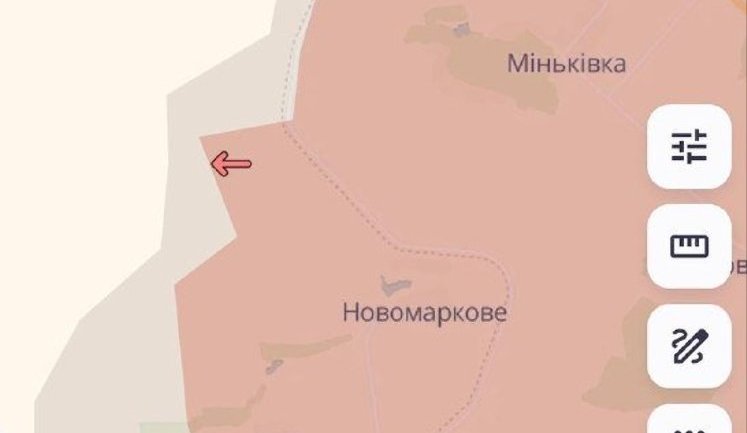
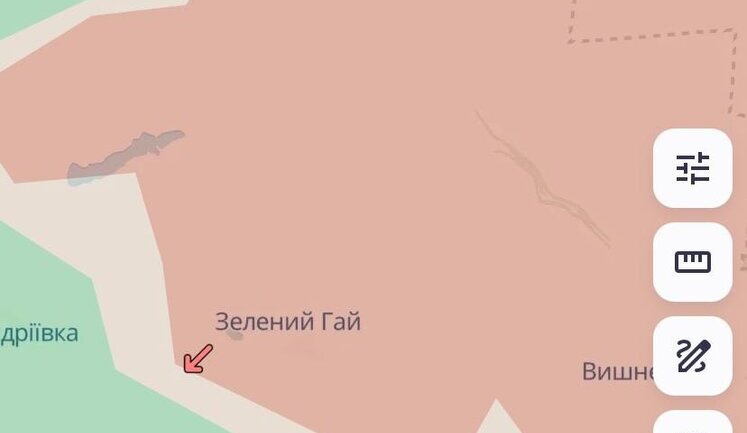
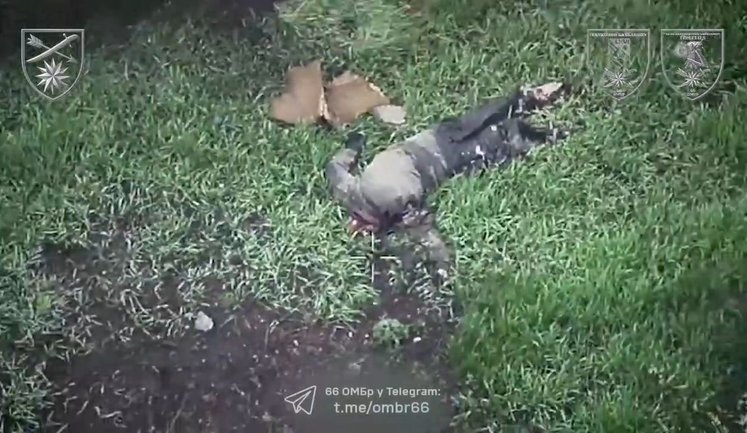
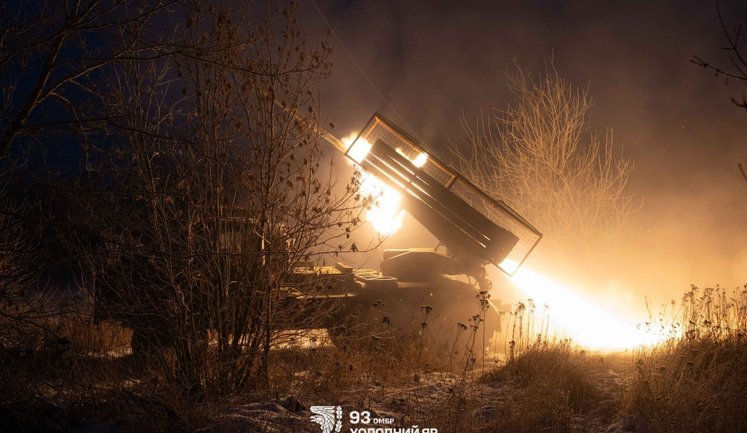
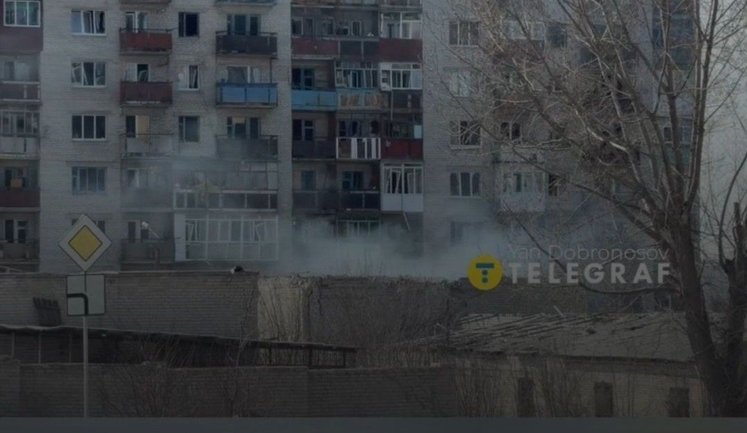
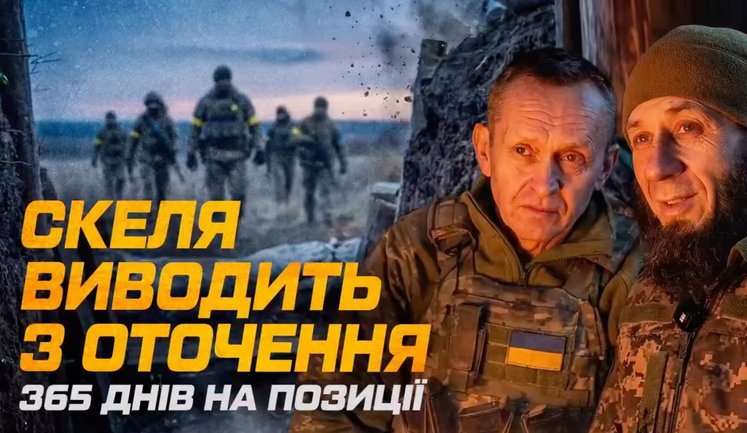
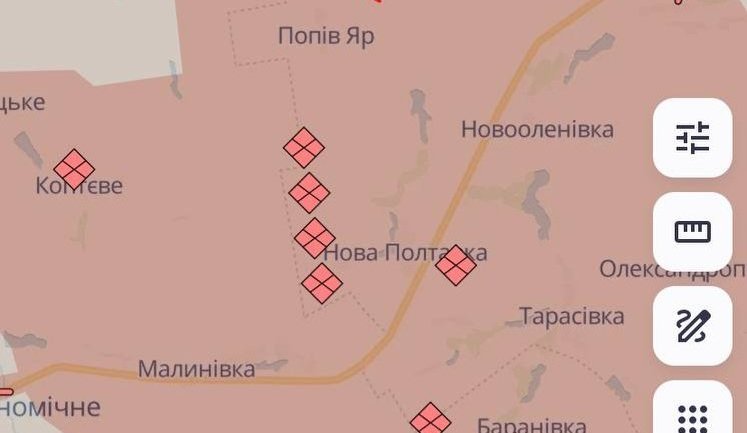
The Kramatorsk direction remains a key battleground in Ukraine as Russian forces increase their assaults using motorcycles and armoured vehicles. The 24th SMB reports intensified storming tactics to probe weaknesses in Ukrainian defences. Battles for control continue in the region, with Minkivka and Nykyforivka witnessing strategic confrontations characterized by artillery and MLRS deployments. Despite the ongoing hostilities, the Ukrainian Defence Forces hold their ground in several crucial settlements, including Maiske and Markove. The situation remains dire in Druzhkivka, constantly under shelling, impacting civilian life severely. Meanwhile, Ukrainian troops have successfully thwarted enemy advances near Berezove and Zakitne, reinforcing their positions against Russian infiltration attempts across the frozen Siverskyi Donets. The resilience and strategic maneuvers of Ukrainian forces underscore the complexities and high stakes involved in the continued fight for dominance in the Kramatorsk direction.
How is the Kramatorsk direction important in the Ukraine conflict?
The Kramatorsk direction is pivotal due to its strategic location in Donetsk, serving as a gateway to larger Ukrainian cities and essential for controlling military pathways. Both Ukrainian and Russian forces aim to dominate this sector to gain tactical advantages in the wider conflict, making it a focal point for intense military engagements and strategic deployments.
What tactics are Russian forces using in the Kramatorsk sector?
Russian forces in the Kramatorsk sector have employed storming tactics by utilizing motorcycles and armoured vehicles to identify and exploit weaknesses in Ukrainian defences. This strategy involves quick, mobile attacks designed to probe and penetrate defensive lines, supplementing broader artillery and rocket fire to maintain pressure and disorganize territorial control.
What challenges do civilians face in the Kramatorsk direction?
In the Kramatorsk direction, civilians endure severe challenges due to constant shelling, disruptions in essential services like electricity and gas, and the threat of displacement. The ongoing military activity not only jeopardizes their daily lives but also poses significant humanitarian concerns, as access to basic needs becomes increasingly precarious amidst the conflict.
How are Ukraine's Defence Forces countering the threats in Kramatorsk?
Ukraine's Defence Forces are countering threats in Kramatorsk through strategic troop deployments, fortified positions, and technological support like drone surveillance. They actively engage in defensive and offensive operations to repel Russian advances, frequently adapting to evolving battlefield conditions to protect key settlements and maintain territorial integrity.
What role do drones play in the Kramatorsk conflict?
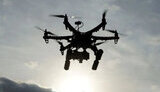
Drones play a crucial role in the Kramatorsk conflict by providing real-time surveillance, targeting enemy positions, and aiding precise strikes on enemy fortifications. These unmanned aerial systems enhance intelligence gathering and facilitate effective counterattacks, significantly contributing to the tactical operations of Ukrainian forces in the region.
What recent developments have occurred near Minkivka and Nykyforivka?
Recent developments near Minkivka and Nykyforivka have seen continued fighting, with Russia attempting staged captures and employing heavy artillery and rocket fire. Despite these assaults, Ukrainian forces have managed to maintain control in several areas, showcasing resilience and strategic acumen in managing the dynamic frontlines amidst ongoing skirmishes.
What information has been revealed about the use of motorcycles in the conflict?
The use of motorcycles by Russian forces in the conflict has been identified as a tactical maneuver to swiftly probe Ukrainian defences and assess weaknesses. This approach allows for rapid mobility across difficult terrains, offering crucial reconnaissance insights while supporting broader military operations aimed at undermining Ukrainian positions in the Kramatorsk sector.