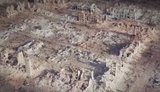
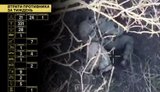
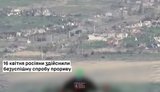
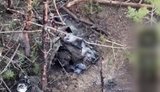
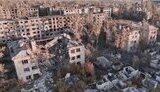
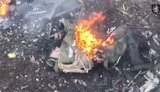
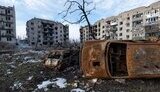
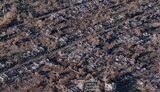
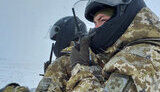
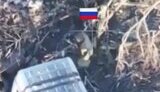
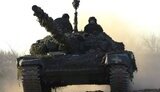
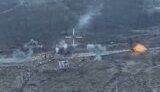
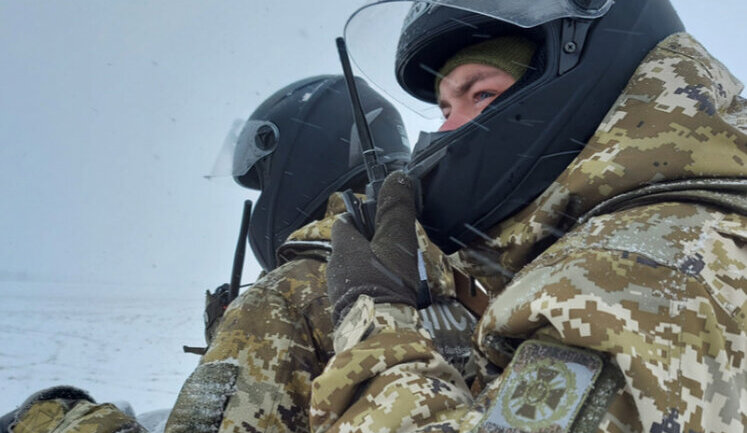
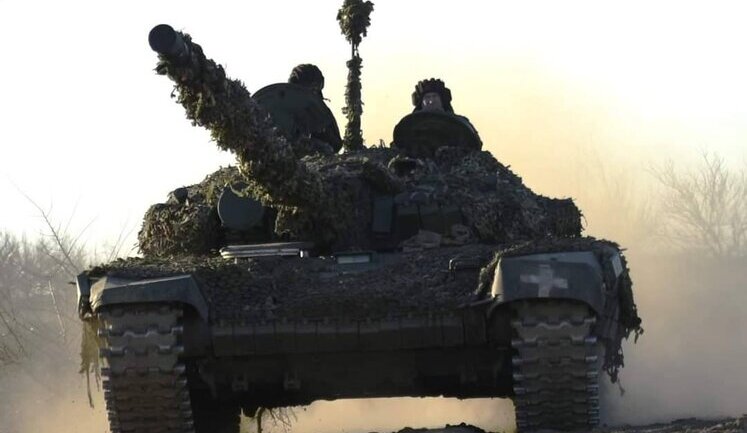
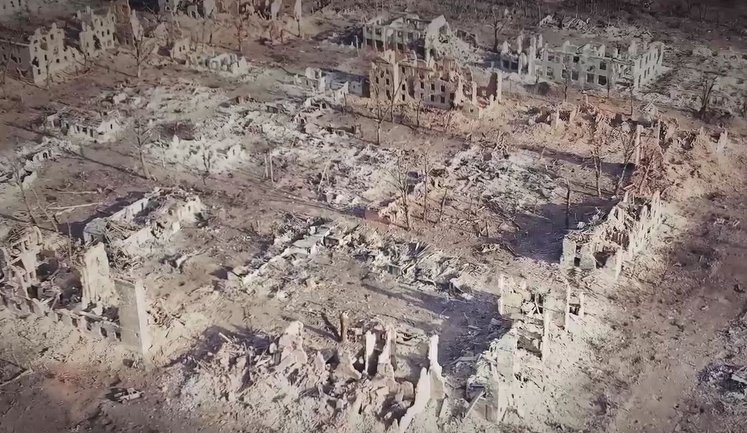
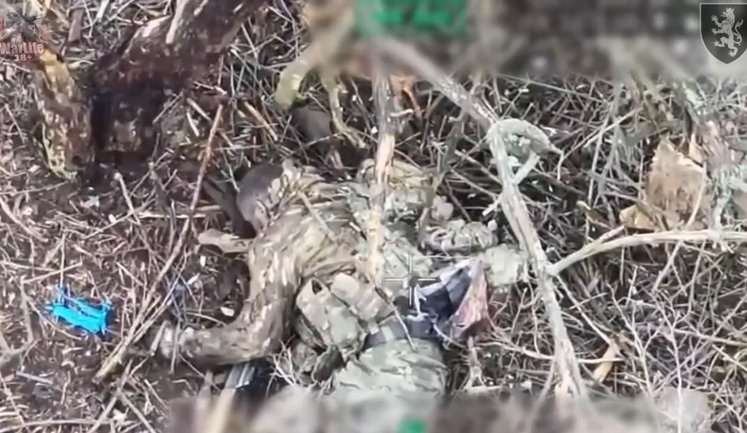
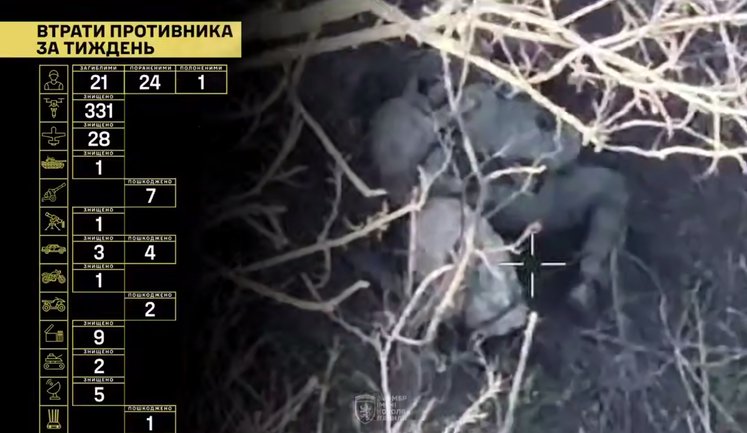
Chasiv Yar, a strategic city in Donetsk Oblast, has become a focal point of intense military clashes. Ukrainian forces, particularly the 24th Separate Mechanised Brigade, are valiantly defending the city against persistent Russian assaults. The enemy employs assault groups, army aviation, and artillery, often attacking under the cover of adverse weather, such as heavy snowfall. Recent reports highlight the destruction of enemy positions by T-72 tanks and significant losses inflicted on Russian forces. Despite attempts by Russian troops to present a narrative of control, Ukrainian forces continue to hold key positions and repel numerous enemy offensives, with many engagements occurring daily.
What is the current military situation in Chasiv Yar?
Chasiv Yar is experiencing persistent military clashes as Ukrainian forces hold their ground against Russian assaults. The 24th Separate Mechanised Brigade frequently reports success in repelling enemy assaults, particularly through the use of mechanised units like T-72 tanks. The enemy, although persistent, has not succeeded in completely capturing the city, leaving the control in a tense balance.
How are Ukrainian forces defending Chasiv Yar?
Ukrainian forces, notably the 24th Separate Mechanised Brigade, are using a combination of mechanised and infantry tactics to defend Chasiv Yar. They have effectively employed tanks and strike drones to eliminate enemy positions and are actively repelling small assault groups using precise artillery and sniping operations. The defenders remain resilient against the pressure exerted by Russian forces.
What tactics are Russian troops using in Chasiv Yar?
Russian forces are employing a variety of tactics in Chasiv Yar, including small assault groups supported by army aviation and artillery. They often attempt to use weather conditions, such as snowfall, to obscure their movements. Furthermore, the use of UAVs like the "Molniya-1" and unconventional methods, such as 'flag planting' for propaganda, have been reported. Despite these efforts, they face strong resistance from Ukrainian defenders.
Have Russian forces captured Chasiv Yar?
Despite multiple attempts and reported disinformation by the Russian Ministry of Defense, Chasiv Yar has not been fully captured by Russian forces. Ukrainian military sources confirm that their forces still control the majority of the city and continue to mount effective defenses against occupier assaults.
What role does the 24th Separate Mechanised Brigade play in Chasiv Yar?
The 24th Separate Mechanised Brigade plays a crucial role in the defense of Chasiv Yar. This brigade, noted for its combat effectiveness, frequently engages Russian forces and has successfully halted many assault operations. Their use of armored units, including T-72 tanks, and precise artillery strikes have been pivotal in maintaining Ukrainian control over key areas in the city.
What impact does weather have on military operations in Chasiv Yar?
Weather conditions, particularly snowfall, have a significant impact on military operations in Chasiv Yar. These conditions are sometimes leveraged by Russian forces as concealment for their movements, complicating visibility for Ukrainian defenders. Despite these challenges, Ukrainian forces have adapted to various conditions and continue to effectively counter adversary tactics.
How have drones been used in Chasiv Yar battles?
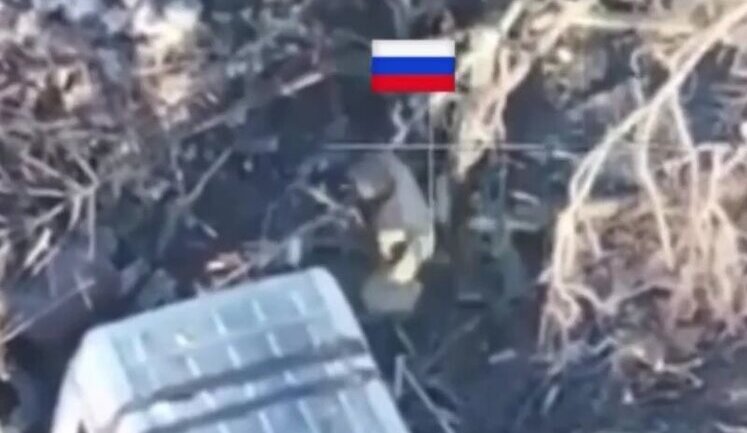
Drones have been a critical component in the battles for Chasiv Yar. Ukrainian forces, particularly from the Unmanned Systems units of the 101st Separate Security Brigade, effectively utilize strike drones to target and eliminate Russian troops and equipment. These operations have been integral in minimizing enemy advantages and supporting ground troop maneuvers.